Grocery prices across the ACT have climbed steadily over the past two years, and for many households in suburbs like Charnwood, Richardson and Narrabundah, the weekly food shop now demands real strategic thinking. Eating well on a constrained budget is not a luxury problem, it is a daily arithmetic exercise for a growing number of residents.
The pressure is sharpened by broader cost-of-living strain hitting Canberra renters and mortgage holders alike in mid-2026. ACT Council of Social Service (ACTCOSS) has flagged food insecurity as a rising concern in low-income households across the territory. That context makes local knowledge, where to shop, what to buy, which community programs exist, genuinely valuable, not just lifestyle noise.
The Fyshwick Markets on Mildura Street are another anchor. The mix of wholesale-style fruit and vegetable suppliers and smaller specialty grocers makes it possible to build a nutritionally dense weekly shop, leafy greens, legumes, eggs, root vegetables, for well under $80 for a household of three or four. Arriving early on Sunday mornings gives the best selection; arriving in the final hour gives the better prices.
Bulk buying dried staples, lentils, chickpeas, brown rice, rolled oats, from bulk-food retailers in the inner north or from Asian grocery stores along Lonsdale Street in Braddon can cut per-meal protein and carbohydrate costs significantly. A 1 kg bag of red lentils typically costs between $2.50 and $3.50 and yields roughly eight to ten servings when cooked into a dahl or soup.
Community programs filling the gap
Food relief in Canberra has matured well beyond the emergency-hamper model. Food Bank ACT, which operates a distribution network across the territory, supplies community organisations in Tuggeranong, Gungahlin and Woden with surplus food from supermarkets and manufacturers. Residents in financial hardship can access these networks through referral from a GP, social worker or directly through community centres such as the Tuggeranong Community Centre on Athllon Drive.
The ANU Food Co-op on the Acton campus is open to students and the broader community. Membership costs around $20 annually and gives access to bulk wholefoods, pantry staples and some fresh produce at cost price, a practical resource for households in the inner north or anyone commuting through the city campus. The University of Canberra's student support services in Bruce also run a food pantry program for enrolled students facing financial difficulty.
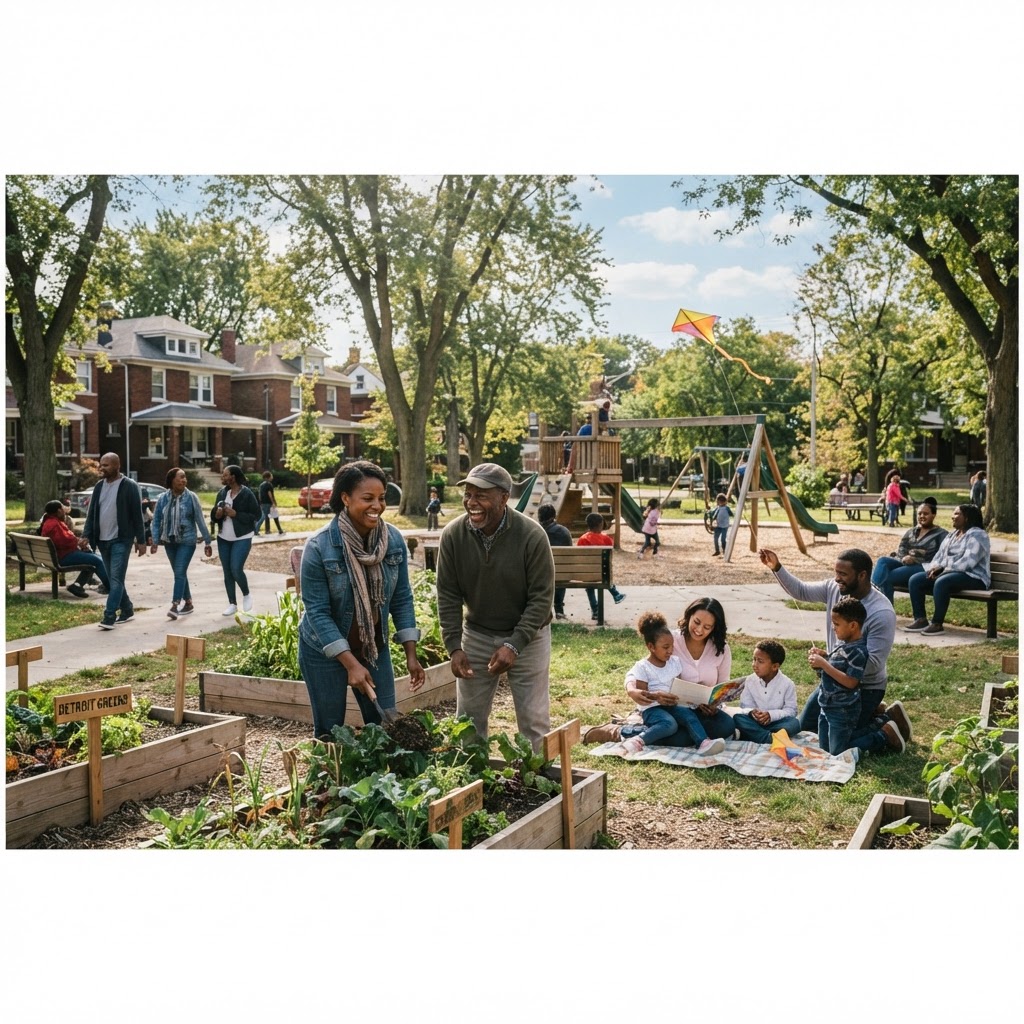
Community gardens offer another dimension. The Southside Community Garden in Garran and the Page Community Garden in Belconnen both allow residents to grow supplementary vegetables for minimal outlay, dramatically lowering the cost-per-serve of greens like silverbeet, kale and herbs. Plot availability varies; both gardens maintain waiting lists and are worth contacting directly for current spaces.
ACT Health's HealthierMe program publishes free meal-planning guides designed around the Australian Dietary Guidelines, with budget-conscious adaptations. The guides are available through the ACT Government health website and at community health centres in Gungahlin, Tuggeranong and Weston Creek.
The practical bottom line: a nutritionally adequate diet built around legumes, seasonal vegetables, eggs, whole grains and some dairy or dairy alternatives is achievable in Canberra for roughly $50 to $70 per person per week with disciplined shopping. Combining the Belconnen and Fyshwick markets for fresh produce, bulk stores for pantry staples, and community programs for supplementary support is the framework many households are already using. Anyone uncertain about specific dietary needs given a health condition should speak with a GP or accredited practising dietitian, ACT Health's community health centres offer subsidised referrals for eligible residents.