Eating well in Canberra does not have to cost a fortune, but it does require knowing where to look. As the cost of living continues to squeeze household budgets across the ACT, local food relief services, community gardens, and savvy shopping habits are helping residents stretch every dollar further without sacrificing nutrition.
The pressure is real. According to the Australian Bureau of Statistics, food and non-alcoholic beverages were among the fastest-rising components of the Consumer Price Index through 2024 and into 2025, with some staples, fresh vegetables, dairy, and proteins, posting double-digit annual price increases at various points. For low-to-middle-income families in suburbs like Tuggeranong and Belconnen, that squeeze has translated directly into harder choices at the checkout.
Where Canberrans Are Finding Help
One of the most practical starting points in the ACT is the Canberra Relief Network, which coordinates food hamper distribution across multiple sites including drop-in points in Phillip and Gungahlin. The network operates on a no-questions-asked model, meaning anyone experiencing short-term financial stress can access a hamper without navigating lengthy eligibility checks. Similarly, Food for Good, which runs meal programs in the inner north, provides hot meals and pantry staples several days a week from its base near Dickson.
The YWCA Canberra also runs food-related programs aimed at families and women in housing stress, often incorporating cooking skills workshops alongside food parcels, an approach that addresses both immediate hunger and longer-term food literacy. For those who can cook but struggle to afford fresh produce, the programs offer a practical way to learn budget-conscious meal planning using whatever seasonal vegetables are available.
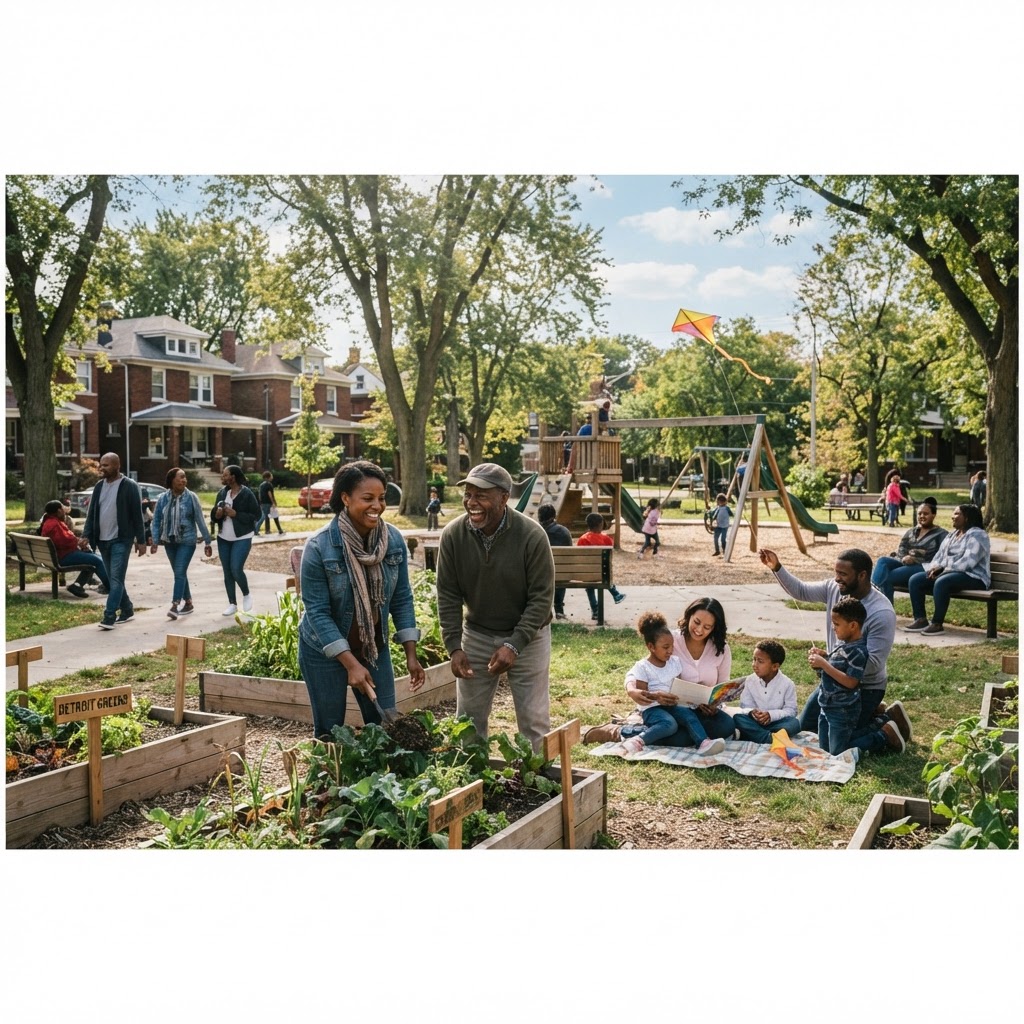
Community gardens are another underused resource. The Canberra City Farm in Mitchell runs workshops and open days where participants can pick up growing knowledge and sometimes take home surplus produce. Several smaller neighbourhood gardens operate through the ACT's network of community associations, including sites in Hughes and Ainslie, where plots can often be rented for a modest annual fee, sometimes as low as $30 to $50 per year depending on the site, giving households access to homegrown leafy greens, herbs, and root vegetables through Canberra's milder seasons.
Smart Shopping Without the Sacrifice
Nutritionists and dietitians who work in the ACT consistently point to a few core principles for eating well cheaply, and the evidence backs them up. Legumes, lentils, chickpeas, kidney beans, remain among the most affordable and nutritionally dense foods available. A 500-gram bag of dried lentils typically costs under $2.50 at major supermarkets including the Coles at Woden Plaza or the Aldi on Gladstone Street in Fyshwick, and can form the protein base for multiple meals across a week.
Frozen vegetables are another frequently overlooked option. Research published through dietetic bodies in Australia has consistently found that frozen peas, corn, spinach, and mixed vegetable blends retain comparable nutritional profiles to fresh produce, sometimes better, given they are frozen shortly after harvest. A 1-kilogram bag routinely sells for $2 to $3, undercutting the per-serve cost of many fresh alternatives significantly.
Shopping at the Capital Region Farmers Market, held every Saturday morning at EPIC on Flemington Road, can also yield good value on imperfect or surplus produce. Vendors often discount irregular-shaped fruit and vegetables, perfectly nutritious, just cosmetically off-spec, particularly in the final hour before the market closes around noon.
For Canberrans wanting tailored advice, ACT Health's HealthPathways service can direct patients to community dietitians through the public system, including bulk-billed options for concession card holders. Beyond accessing emergency food relief, building a small repertoire of cheap, nutritious meals, a basic red lentil dal, a vegetable-heavy soup, or a simple bean and rice combination, is something anyone can start this week with a $20 grocery run. The ingredients are on the shelf. The savings add up fast.