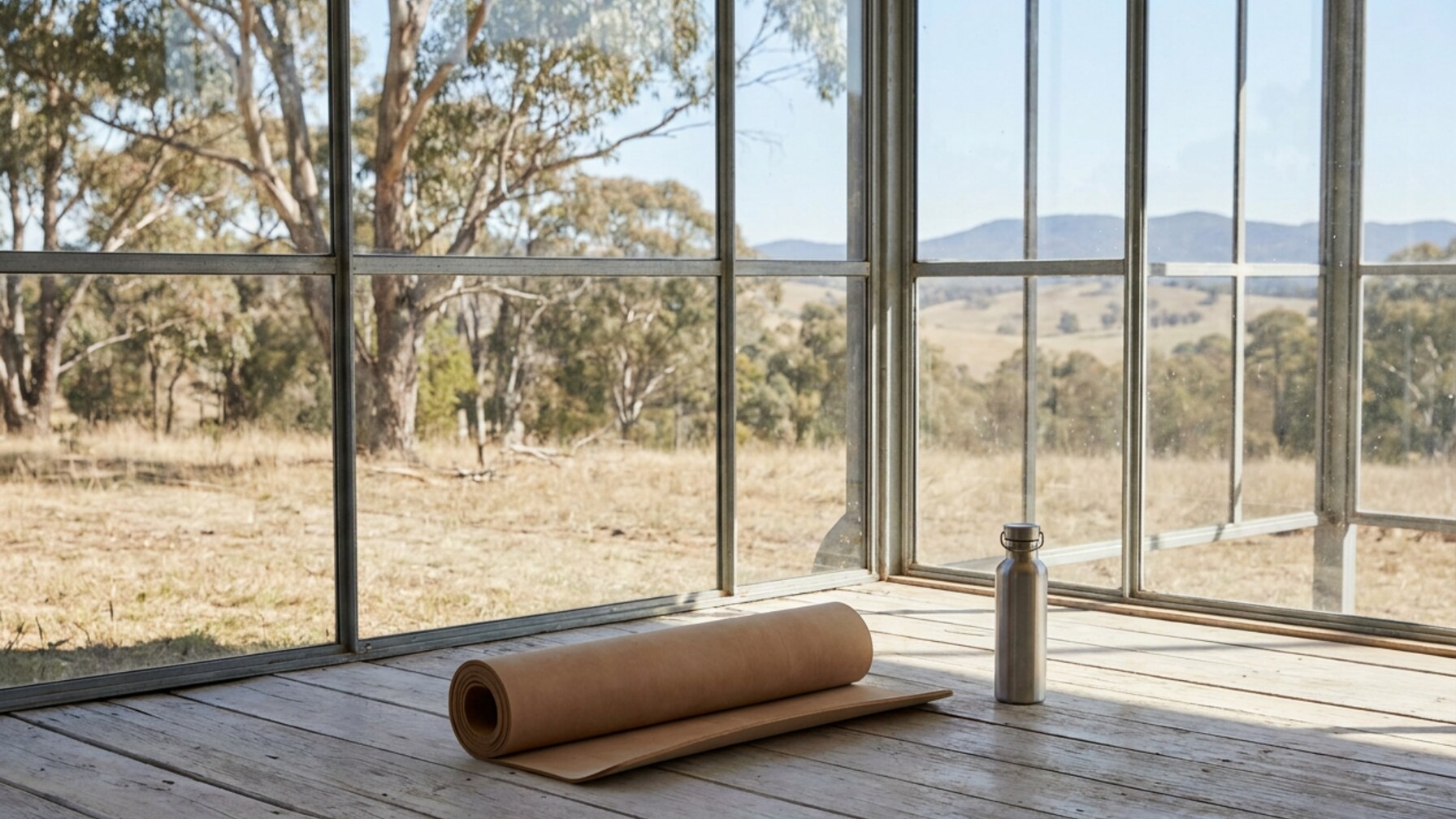
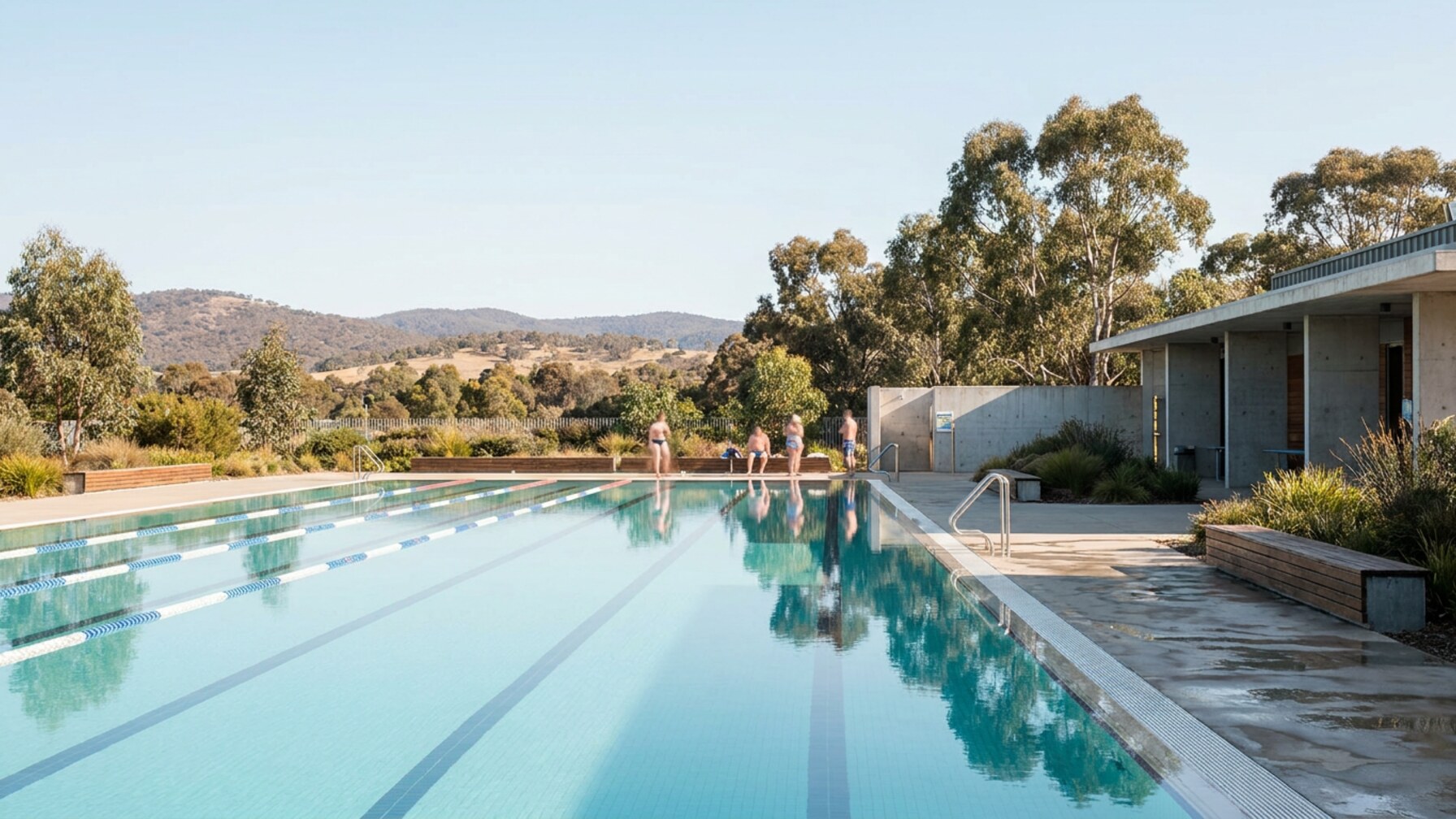
Canberra gets cold before it gets beautiful. In mid-winter, that window between first light and full sunrise, somewhere around 7.15am in early July, is brief, sharp, and increasingly popular with residents who have traded gym memberships for grass mats and open sky. Local parks and reserves are filling up before most people have boiled a kettle.
The timing matters. Mental health conversations have intensified across the ACT following a difficult few months of national news, and organisations including Beyond Blue ACT have long pointed to the connection between time spent in green spaces and reduced anxiety. Winter, counterintuitively, is when many Canberrans say the habit becomes most important, and most difficult to maintain. The sub-zero starts demand commitment, but those who show up consistently say the rewards are outsized.
Where the Early Risers Go
Black Mountain Reserve, off Caswell Drive in Acton, is the most reliably cited location among Canberra's outdoor yoga community. The fire trail that loops up from the Telstra Tower carpark provides a natural amphitheatre effect by the time you reach the eastern ridgeline, the city grid below, the Brindabellas behind you, and, on clear mornings, a sky that moves through a full spectrum of orange and pink before settling into the pale blue of a winter day. There is no formal program here. People arrive solo, or in small self-organised groups, usually between 6.45am and 7.30am.
The shores of Lake Burley Griffin offer a different experience, flatter, more exposed to the Canberra wind, but with a stillness on the water that practitioners of seated meditation find genuinely useful. The stretch of path running east from Reconciliation Place toward the National Carillon on Aspen Island is paved, wide, and almost entirely empty before 7am on weekdays. On weekends, it fills faster. The grassed area adjacent to the Rond Terrace jetty in Parkes is a known informal yoga spot; the ground is maintained by the National Capital Authority, which manages the foreshore under its Lake Burley Griffin Embellishment Plan.
Tuggeranong, often overlooked in inner-north-focused wellness coverage, has its own answer. Tuggeranong Homestead parkrun, which operates its weekly 5km event every Saturday at 8am from Lakeside Leisure Centre on Gordon, draws a consistent crowd, and several regulars have taken to arriving 30 to 40 minutes early to use the lake foreshore for stretching and short meditation sessions before the run. The parkrun itself is free to enter after a one-time online registration at parkrun.com.au.
The Evidence Behind the Habit
The Australian Institute of Health and Welfare has reported that roughly one in five Australians aged 16 to 85 experienced a mental disorder in the previous 12 months, a figure that has shaped how ACT Health frames its preventive health messaging. While outdoor yoga and meditation are not clinical treatments, ACT Health's own preventive health resources acknowledge the role of physical activity in green spaces as a low-cost, accessible support for psychological wellbeing.
Yoga classes at established Canberra studios, including those in Braddon and Kingston, typically run between $20 and $35 per session as of July 2026, with casual rates at the higher end. Taking practice outdoors removes that cost entirely. The Australian National University's Sport and Recreation precinct on Sullivan's Creek Road also offers beginner yoga classes during semester, though these pause across the July break.
For anyone thinking about starting, the practical advice from the Canberra outdoor fitness community is straightforward: dress for temperatures at least five degrees colder than the forecast, arrive before sunrise rather than at it, and pick a sheltered spot with an eastward aspect so the light lands on your face rather than behind you. Black Mountain's ridgeline and the Rond Terrace lawn both meet those criteria on most clear mornings. A mat, a warm layer, and an early alarm are the only real requirements. Consulting a GP or physiotherapist before starting any new physical practice is worth doing, particularly for those with existing joint or back concerns.