Wellness
Three breathwork techniques that can stop a stressful day in its tracks
You don't need a meditation retreat or an app subscription — just your lungs, 90 seconds, and a quiet corner of the office.
4 min read
Wellness
You don't need a meditation retreat or an app subscription — just your lungs, 90 seconds, and a quiet corner of the office.
4 min read
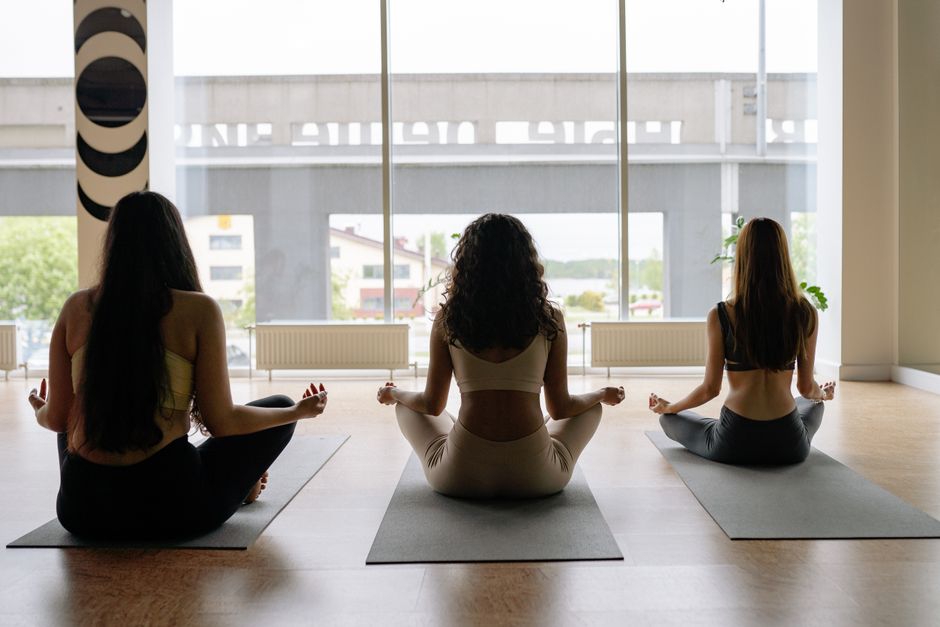
The average Australian worker loses roughly 3.2 hours of productive time each week to stress-related distraction, according to a 2024 Medibank Private workplace wellness report. Breathwork — the deliberate manipulation of breathing rate and pattern — is increasingly being recommended by ACT Health clinicians as a first-line, zero-cost tool for interrupting the body's stress response before it compounds into something harder to manage.
It sounds almost embarrassingly simple. But the physiological case is solid. Slow, controlled exhalation activates the parasympathetic nervous system, dialling down cortisol and heart rate within as little as 60 to 90 seconds. That's not a wellness influencer's claim — it's basic autonomic neuroscience, and it's why breathwork has started appearing on the clinical side of the ledger, not just in yoga studios.
The timing matters locally, too. Canberra's brutal July commutes — the kind where a minus-five morning on the Barton Highway turns the Tuggeranong Parkway into a crawl — combined with end-of-financial-year pressure across the public service are stacking psychological load onto workers right now. Beyond Blue's ACT support line reported a spike in contacts during the last two July periods, with callers frequently describing workplace anxiety as the primary trigger. Adding to that, the extreme heat records being set elsewhere in the country are creating background climate anxiety that researchers at ANU's Institute for Climate, Energy and Disaster Solutions have been tracking since 2023.
The first is box breathing, sometimes called tactical breathing. Inhale for four counts, hold for four, exhale for four, hold again for four. One cycle. Repeat four times. It's the method taught to Australian Federal Police recruits at the AFP College in Barton, and it works precisely because the rigid count forces attentional focus away from whatever triggered the stress. You can do it sitting at a desk on Marcus Clarke Street without anyone noticing.
The second technique is physiological sighing — a double inhale through the nose followed by a long, slow exhale through the mouth. Stanford University researchers published findings in 2023 in Cell Reports Medicine showing this pattern reduced self-reported anxiety faster than mindfulness meditation or box breathing in a controlled group of 114 participants. One or two cycles is usually enough. It's the breath your body already reaches for unconsciously when you've been holding tension; you're simply doing it on purpose.
The third is 4-7-8 breathing, popularised by integrative medicine but grounded in pranayama traditions: inhale for four counts, hold for seven, exhale slowly for eight. The extended exhale is the key mechanism — it lengthens the phase during which the vagus nerve signals the heart to slow. Practitioners at the Canberra Mindfulness Centre in Dickson, which runs eight-week MBSR courses starting at $395 per participant, include this technique in their first session for precisely that reason.
For Canberrans who want to move beyond self-guided practice, options are genuinely local and, in some cases, free. Parkrun Tuggeranong, held every Saturday morning at Greenway, combines rhythmic movement with natural breath regulation — the repetitive cadence of a 5km run along the Tuggeranong Town Park paths produces many of the same parasympathetic effects as formal breathwork. The ANU Sport and Recreation centre on Kingsley Street runs drop-in yoga sessions from $12 for students and $18 for the general public, with instructors who incorporate pranayama into cool-down sequences. Both represent low-barrier entry points for people who feel self-conscious sitting alone counting their breath at a kitchen table.
ACT Health's mental health digital portal, launched in late 2024, also links to guided audio breathwork sessions approved by the territory's clinical advisory board — no referral required, no waitlist. The sessions run between five and fifteen minutes and are accessible via the ACT Government health website.
Start small. Pick one technique — box breathing is the most forgiving for beginners — and use it once tomorrow, ideally before a meeting rather than after it. The research is consistent: the benefit compounds with repetition, and the barrier to starting is genuinely zero. Consult your GP or a registered psychologist if stress is persistent or significantly affecting daily functioning; breathwork is a tool, not a treatment plan.
About this article
Published by The Daily Canberra
Spread the word
Daily brief
Free, in your inbox before 7am. Weekdays.
The Daily Network — local news across Australia


