Wellness
How to start a walking group in your neighbourhood
Canberra's vibrant community spaces and flat terrain make it perfect for launching a local walking initiative—here's what you need to know to get started.
3 min read
Wellness
Canberra's vibrant community spaces and flat terrain make it perfect for launching a local walking initiative—here's what you need to know to get started.
3 min read
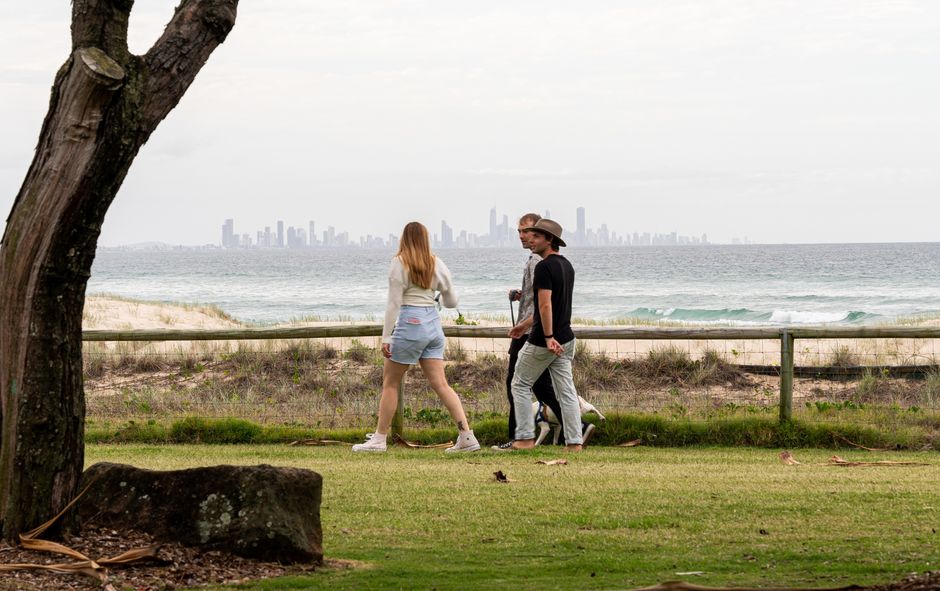
Walking groups are having a moment across Canberra. Whether it's the early-morning crews lapping Lake Burley Griffin or neighbourhood strollers discovering the quiet charm of Woden Valley's tree-lined streets, community fitness is thriving. If you've been thinking about starting your own neighbourhood walking group, the good news is that Canberra's geography and social infrastructure make it surprisingly straightforward.
The first step is identifying your route and audience. Consider your neighbourhood's natural walking infrastructure. Residents in Tuggeranong have the advantage of established parkrun events (held weekly at various locations), while north Canberra walkers benefit from the extensive network around the lake. For suburban groups, start with a local park or shopping centre as a meeting point—somewhere accessible with parking and, ideally, nearby facilities. Streets like Gungahlin Drive in Gungahlin or the pathways around Belconnen offer flat, safe terrain perfect for mixed-ability groups.
Next, determine your group's character. Will it be casual morning strolls, fitness-focused tempo walks, or social weekend outings? This shapes your pace (typically 4–5 kilometres per hour for leisure groups), frequency, and target members. ACT Health's Active Canberra program encourages neighbourhood-based physical activity, and many groups find that starting with just 30 minutes twice weekly builds momentum without overwhelming participants.
Promotion is simpler than you'd think. A Facebook group or WhatsApp chat costs nothing and reaches locals quickly. Post flyers at local shops, community centres, or libraries—places like the Woden Valley Community Centre have bulletin boards specifically for this. Word-of-mouth remains powerful; chat with neighbours, mention it at your local shops, and watch momentum build organically.
Consider partnering with existing organisations. Beyond Blue ACT and community health services often celebrate neighbourhood wellness initiatives. You might also connect with local schools or retirement communities—intergenerational walking groups add energy and purpose.
Practical essentials: establish a regular day and time (Saturday mornings work well for mixed schedules), keep the first walk short (2–3 kilometres), and ensure someone has a phone and basic first aid knowledge. The Australian Walking Federation offers free resources on group walking safety. Most groups thrive without membership fees, though some collect gold coins for occasional social events or small facility bookings.
Finally, set realistic expectations. Groups often fluctuate seasonally—Canberra's winters can deter casual walkers, while spring typically brings new recruits. Stay flexible, celebrate small wins, and remember that even five committed walkers creating a regular habit represents a genuine community health initiative.
Your neighbourhood walk starts with a single step. Make it count.
This article was compiled by AI and screened before publishing. See our editorial standards.
About this article
Published by The Daily Canberra
Spread the word
Daily brief
Free, in your inbox before 7am. Weekdays.
The Daily Network — local news across Australia