Wellness
How to Stay Hydrated in Canberra's Dry Climate
Canberra's low humidity accelerates dehydration. Learn how much water you should drink and what fluids work best in our inland capital's unique conditions.
2 min read
Wellness
Canberra's low humidity accelerates dehydration. Learn how much water you should drink and what fluids work best in our inland capital's unique conditions.
2 min read
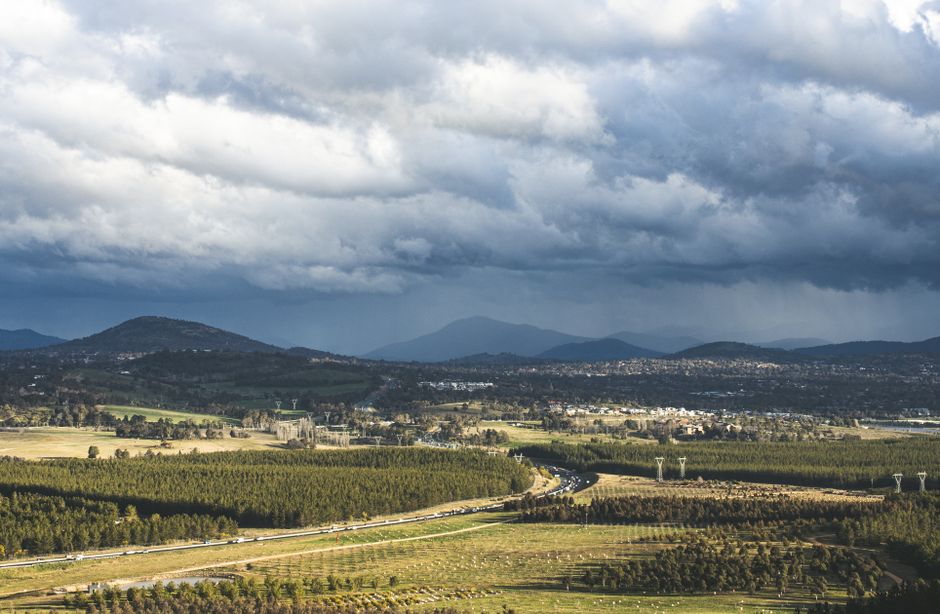
Canberra's climate is distinctive—cold winters, hot summers, and crucially, low humidity year-round. That combination means dehydration creeps up faster than many residents realise. Whether you're running the Lake Burley Griffin circuit or cycling through Tuggeranong, understanding your hydration needs in our region isn't just wellness advice; it's practical.
The Australian Bureau of Meteorology records Canberra's relative humidity at around 50 per cent on average—well below coastal cities. This dryness accelerates water loss through skin and respiration, even when you don't feel particularly sweaty. During summer months (December to February), when temperatures regularly exceed 28°C, fluid loss intensifies.
So how much should you drink? The common "eight glasses a day" is a starting point, but Canberra's conditions often demand more. Health authorities suggest 2–3 litres daily for most adults, increasing to 3–4 litres on exercise days or during warmer months. The easiest test: pale urine indicates adequate hydration; dark urine suggests you're falling short.
Water remains the gold standard. It's cheap—tap water in Canberra costs a fraction of bottled alternatives—and free of added sugars. But for activities lasting over an hour, or during Canberra's peak summer, sports drinks containing carbohydrates and electrolytes (sodium, potassium) help maintain performance and prevent cramping. Local gyms and parkrun events in suburbs like Belconnen and Woden often stock these options, though homemade alternatives—diluted fruit juice with a pinch of salt—work equally well.
Caffeinated beverages deserve caution. While coffee and tea contribute to fluid intake, they're mild diuretics. Morning flat whites from Canberra's thriving café culture (whether in Braddon, Civic, or Manuka) shouldn't replace plain water.
Timing matters too. Rather than drinking large quantities at once, sip consistently throughout the day. Before heading out on the extensive cycling trails around Lake Burley Griffin or toward Stromlo, hydrate ahead of time—don't wait until thirst kicks in.
Listen to your body. Thirst is a reasonable indicator, though it lags slightly behind actual need. Headaches, fatigue, and difficulty concentrating are early signs of dehydration—common in Canberra's dry air, especially indoors with heating or cooling running.
For personalised hydration advice, ACT Health's community health services and your GP remain invaluable resources. Everyone's needs differ based on age, activity level, and individual metabolism. What's certain: in Canberra's distinctive climate, hydration deserves as much thought as exercise and nutrition itself.
This article was compiled by AI and screened before publishing. See our editorial standards.
About this article
Published by The Daily Canberra
Spread the word
Daily brief
Free, in your inbox before 7am. Weekdays.
The Daily Network — local news across Australia