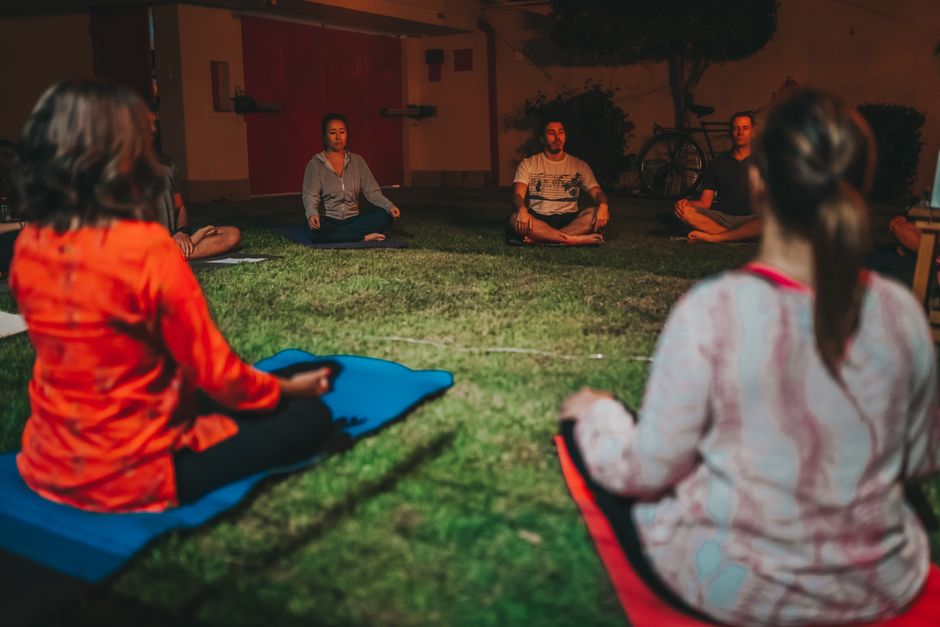
Mindfulness programs in Canberra schools have expanded significantly over the past three years, offering students practical tools to manage stress and improve focus. For parents wondering what's available locally, several evidence-based initiatives are now embedded across the ACT's education system.
The ACT Education Directorate has integrated mindfulness into its wellbeing curriculum, with dedicated programs running at primary and secondary schools across suburbs including Tuggeranong, Belconnen, and the inner north. Schools like those in Weston Creek and Gungahlin have reported positive uptake, with students participating in guided meditation sessions during form time or dedicated pastoral care blocks.
Beyond Blue ACT runs school-based workshops targeting both students and educators, providing training in evidence-based techniques. Their resources are freely available to Canberra schools, and several institutions have embedded their frameworks into existing mental health protocols. The organisation emphasises that mindfulness can complement—not replace—professional support for students experiencing anxiety or depression.
The University of Canberra and ANU have also contributed to local research on mindfulness efficacy in educational settings. Both institutions offer occasional community seminars and resources that schools draw upon when developing their programs. Some secondary campuses have established peer-led meditation groups, particularly around exam periods.
For families seeking external support, Canberra-based practitioners and community organisations offer after-school mindfulness classes. Many operate on a sliding-scale fee basis, with some offering subsidised spots for families experiencing financial hardship. The Canberra Meditation Centre and similar grassroots initiatives provide drop-in sessions suitable for teenagers and younger adolescents.
Parents interested in understanding what their child's school offers should contact the pastoral care or wellbeing coordinator directly—programs vary between institutions. Some schools incorporate mindfulness into sports or outdoor learning on the Lake Burley Griffin trails, where the natural environment enhances the practice.
Research suggests regular mindfulness practice can improve student focus, reduce test anxiety, and support emotional regulation—particularly valuable during the pressured senior years. However, experts emphasise that school-based programs work best when parents also understand the fundamentals, creating consistency between home and classroom environments.
The ACT Health directorate continues developing resources for schools, with an emphasis on culturally responsive practices that resonate with Canberra's diverse student population. If your child's school doesn't currently offer structured mindfulness, many educators are open to introducing simple breathing exercises or guided visualisation as starting points.
For personalised advice on whether mindfulness is appropriate for your child's specific needs, consult your GP or a local mental health professional.
This article was compiled by AI and screened before publishing. See our editorial standards.