Wellness
Mindfulness in schools: what local programs are available
From Tuggeranong to Belconnen, Canberra schools are embracing meditation and mindfulness to help students manage stress and build resilience.
2 min read
Wellness
From Tuggeranong to Belconnen, Canberra schools are embracing meditation and mindfulness to help students manage stress and build resilience.
2 min read
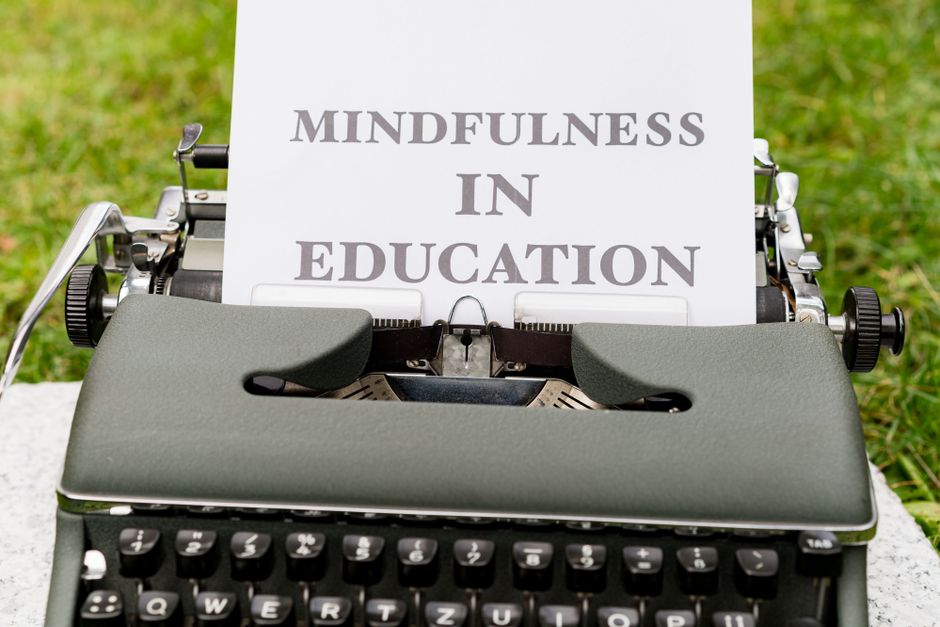
As the school year progresses into winter, mental health pressures on young people intensify. Exam stress, social anxiety, and screen fatigue are prompting Canberra educators to turn to mindfulness and meditation—and several local programs are leading the way.
Mindfulness, which involves present-moment awareness without judgment, has shown measurable benefits for school-aged children. Research suggests regular practice can reduce anxiety, improve focus, and enhance emotional regulation—skills particularly valuable during assessment periods.
ACT schools have increasingly integrated mindfulness into their curriculum. Many primary and secondary institutions across neighbourhoods like Woden, Dickson, and Calwell now dedicate time each week to guided meditation or breathing exercises. Some schools have appointed trained mindfulness coordinators to embed practices into both classroom and pastoral care settings.
Beyond Blue ACT operates several school-based programs that complement classroom initiatives. Their evidence-based resources support teachers in delivering mindfulness sessions, while free consultation is available to schools considering implementation. The organisation also provides parent information sessions—useful for families wanting to reinforce practices at home in suburbs from Gungahlin to Greenway.
Community organisations are filling gaps too. Local yoga studios and meditation teachers in Civic and along the Braddon precinct offer after-school mindfulness classes targeting teenagers, with costs typically ranging from $15–$25 per session. Some offer subsidised rates for disadvantaged families.
The ANU's School of Cybernetics has researched wellbeing interventions in ACT schools, while UC's education faculty continues exploring mindfulness integration. Both institutions provide training pathways for teachers seeking formal qualifications in mindfulness-based approaches.
Parents interested in exploring mindfulness for their child should start by checking whether their child's school already offers programs. Most public schools can provide information about existing initiatives, timetables, and any opt-in requirements. Beyond Blue ACT's website lists local resources and trained facilitators across the territory.
For families seeking independent instruction, parkrun groups meeting at Lake Burley Griffin on Saturday mornings often include informal mindfulness components alongside physical activity—a low-cost, accessible option for building awareness and community connection.
While mindfulness is not a replacement for clinical mental health support, growing evidence suggests it offers valuable preventative benefits. As Canberra schools continue expanding these offerings, they're giving young people practical tools to navigate modern pressures.
For personalised advice about whether mindfulness is appropriate for your child, consult your local GP or contact Beyond Blue ACT's helpline.
This article was compiled by AI from the sources linked above and screened before publishing. See our editorial standards.

Wellness

Wellness

Wellness

Wellness
About this article
Published by The Daily Canberra
Spread the word
Daily brief
Free, in your inbox before 7am. Weekdays.
The Daily Network — local news across Australia