Wellness
Building Psychological Resilience with Small Daily Habits
Canberra wellness experts say minor tweaks to your routine—not major overhauls—are the key to managing stress and bouncing back from life's setbacks.
2 min read
Updated 35 min ago
Wellness
Canberra wellness experts say minor tweaks to your routine—not major overhauls—are the key to managing stress and bouncing back from life's setbacks.
2 min read
Updated 35 min ago
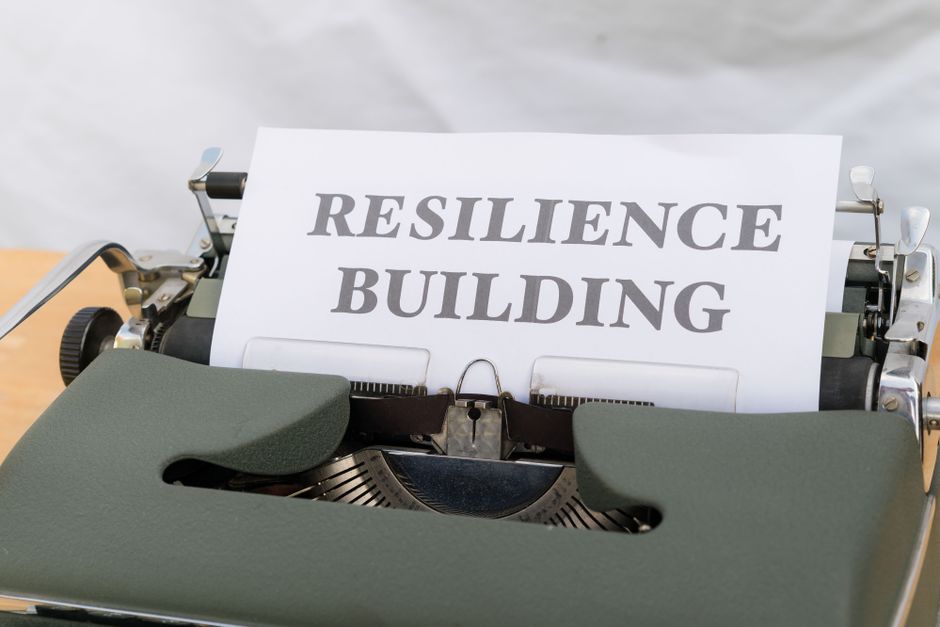
When psychologists talk about resilience, they're not describing the ability to simply 'bounce back' from hardship. Rather, it's the skill of maintaining steady mental health through deliberate, everyday choices—and Canberra residents are increasingly discovering that small habits pack the biggest punch.
The good news: you don't need to overhaul your life. Beyond Blue ACT, which supports thousands of local Canberrans annually, emphasises that resilience is built through consistent micro-practices, not grand gestures. A five-minute breathing exercise on the walk from your car to the office in Civic, or a brief body-scan meditation before bed, creates measurable shifts in how your nervous system responds to stress.
One of the most accessible resilience-builders is movement—and Canberra's geography makes this easier than most cities. Parkrun Tuggeranong, which runs free sessions every Saturday morning, offers both exercise and social connection; research shows that combining physical activity with community participation significantly boosts psychological resilience. The Lake Burley Griffin trails, stretching across suburbs from Fyshwick to Duntroon, provide low-barrier options for walking or cycling that don't require gym fees.
Dr Hazel Stutchbury, director of ANU's Centre for Mental Health Research, has highlighted the power of what researchers call 'micro-recovery'—brief pauses throughout the day that interrupt stress cycles. This might mean stepping outside on Petrie Plaza for five minutes between meetings, or sitting quietly in a Belconnen café rather than eating at your desk.
Other evidence-backed daily habits include: naming three things you're grateful for (takes two minutes); limiting social media to set times; maintaining consistent sleep schedules; and brief journaling. ACT Health's mental health clinicians recommend starting with just one new habit rather than attempting multiple changes simultaneously—a realistic approach that prevents the shame-guilt cycle when willpower falters.
The neighbourhood matters too. Green spaces in Woden, Kambah, and O'Connor have measurable psychological benefits; studies show that 20-minute park visits reduce cortisol levels. If you're navigating a difficult period, ACT Health's counselling services remain accessible, and Beyond Blue's 1300 224 636 line offers free, confidential support.
Resilience isn't about never struggling. It's about how quickly you recover—and that recovery happens through the small choices you make each day, not the big ones you make once.
This article was compiled by AI from the sources linked above and screened before publishing. See our editorial standards.

Wellness

Wellness

Wellness

Wellness
About this article
Published by The Daily Canberra
Spread the word
Daily brief
Free, in your inbox before 7am. Weekdays.
The Daily Network — local news across Australia