Wellness
Beyond the Barbecue: A Local Guide to Protein Sources That Aren't Meat
From tofu to lentils, Canberra's growing plant-based protein scene offers affordable, accessible alternatives for every plate.
2 min read
Wellness
From tofu to lentils, Canberra's growing plant-based protein scene offers affordable, accessible alternatives for every plate.
2 min read
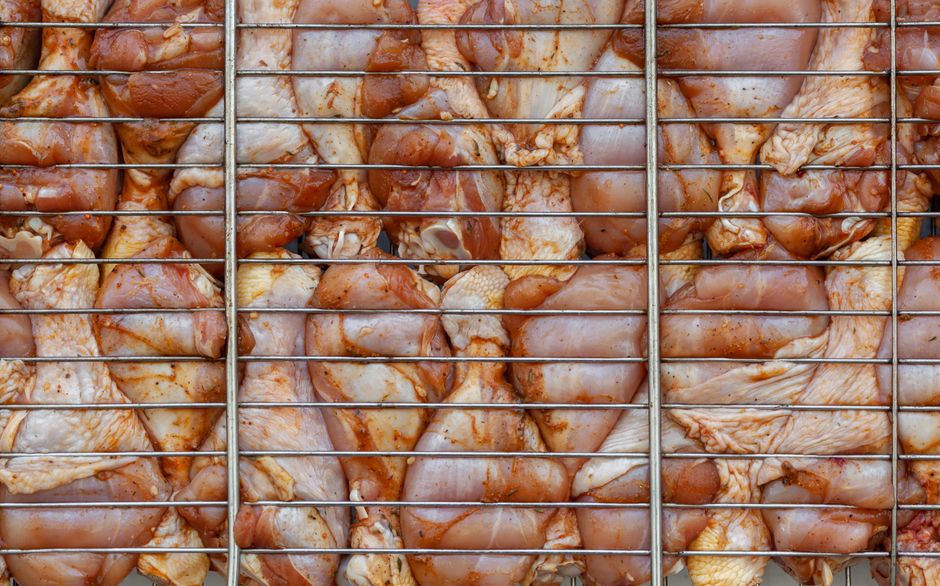
Whether you're cutting back on red meat for health, environmental or budgetary reasons, Canberra's food landscape now makes it easier than ever to find satisfying protein alternatives. The shift away from meat-centric dining isn't just a trend—it reflects what nutrition experts have long understood: diverse protein sources support better long-term health outcomes.
The legume aisle at major supermarkets across Canberra, from Belconnen to Woden, has expanded significantly. Lentils, chickpeas and beans remain among the cheapest and most nutrient-dense options available. A 500g bag of dried lentils costs around $3–4 and provides roughly 25g of protein per cooked cup, making them unbeatable value. The ACT Health nutrition guidelines increasingly emphasise plant-based proteins as part of a balanced diet, particularly for those managing cardiovascular health.
Canberra's Asian grocers—especially those clustered along Lonsdale Street in Braddon and in the Dickson precinct—stock affordable tofu, tempeh and edamame. Silken tofu works beautifully in smoothies and sauces, while firmer varieties suit stir-fries over the weekly Friday night barbecue at Lake Burley Griffin's picnic areas. A 300g block typically costs $2–3.
For those with busier schedules, Greek yogurt remains accessible at every Canberra supermarket and delivers around 15–20g of protein per 200g serving. Pair it with locally produced honey from farmers' markets at Manuka Oval or the weekly Canberra Farmers Markets (typically held Thursday evenings in Civic) for a balanced snack.
Nuts and seeds deserve mention too. While slightly pricier than legumes, a small handful of almonds or a tablespoon of tahini supplies meaningful protein and healthy fats. Local health food stores on Alinga Street stock bulk bins where you can buy precisely what you need.
ANU's active lifestyle research has consistently shown that people who incorporate varied protein sources—rather than relying solely on meat—report better energy levels and improved recovery from exercise, whether that's a parkrun at Tuggeranong or weekend cycling along the Canberra cycle network.
The transition doesn't require overhauling your diet overnight. Start by replacing one or two meat-based meals weekly with legumes, tofu or eggs. Most Canberrans find that within a few weeks, these alternatives become intuitive and budget-friendly staples.
For personalised nutrition advice, consult your GP or a registered dietitian through ACT Health services.
This article was compiled by AI from the sources linked above and screened before publishing. See our editorial standards.
Wellness

Wellness

Wellness

Wellness
About this article
Published by The Daily Canberra
Spread the word
Daily brief
Free, in your inbox before 7am. Weekdays.
The Daily Network — local news across Australia