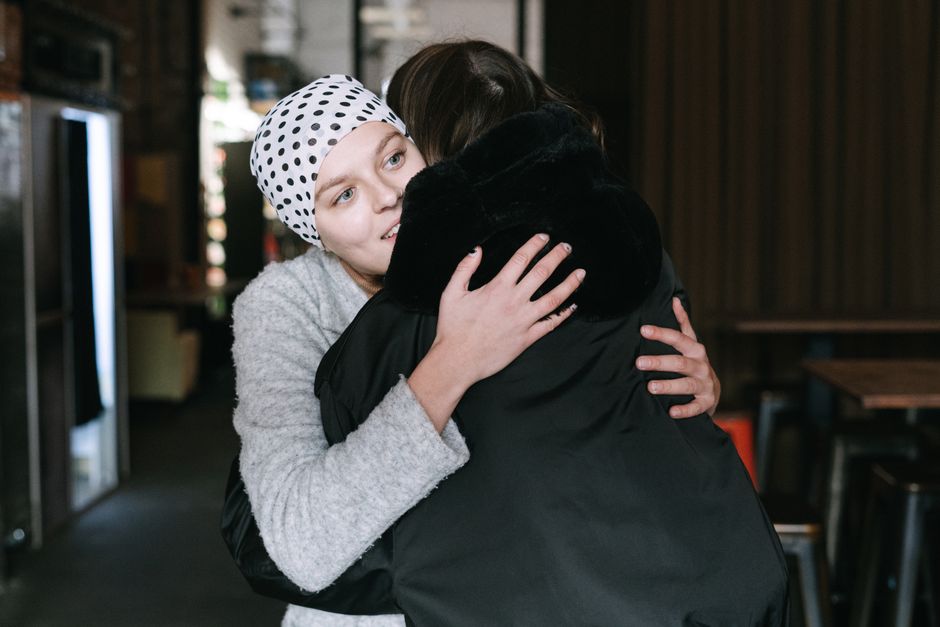
Dr Sarah Chen, a GP at a Civic practice, has noticed a troubling pattern in her surgery this winter: more patients arriving with stress, anxiety and depression—many citing isolation as the root cause. "Loneliness is as harmful to your health as smoking," she says. "It's not just a feeling; it's a health crisis."
The evidence is sobering. A 2025 Australian Psychological Society report found that one in four adults experience chronic loneliness, with rates climbing among those working from home or living alone. In Canberra, where our dispersed suburban layout can make spontaneous connection harder, mental health services like Beyond Blue ACT report steady demand for isolation-related support.
But a quiet wellness revolution is underway. Community initiatives are proving that connection—free or cheap—can rival any expensive therapy or supplement. Parkrun Tuggeranong, held every Saturday morning at Guy Fawkes Park, has become a lifeline for hundreds. "It costs nothing, and you meet people immediately," says regular participant James, 54. "The mental health benefit is massive."
Cafés along Petrie Plaza in Civic have become informal gathering hubs, while Lake Burley Griffin's running and cycling trails serve as social anchors. Weston Creek Community Centre offers $8–$15 fitness classes where regularity breeds friendship. ANU and UC both run free community wellness events that welcome non-students—from walking groups to meditation circles.
The science is clear: meaningful social interaction triggers dopamine and oxytocin release, natural stress-busters your brain produces free of charge. For those struggling to start, small steps work. A weekly coffee with one friend. Joining a running club. Volunteering at Karralika Programs or another Canberra charity—both connection and purpose.
ACT Health's mental health services remain essential for those in crisis, and local GPs should always be consulted for persistent anxiety or depression. But for many Canberrans, the prescription is simpler: show up, show up again, and let relationships do the work.
This winter, as mental health pressures peak, remember that loneliness is treatable—and the cure is closer than you think. Your next friend might be waiting at parkrun, in a community class, or simply across a café table in Campbell.
This article was compiled by AI from the sources linked above and screened before publishing. See our editorial standards.