Beat the heat: a Canberra guide to staying safe and healthy through Australian summer
As temperatures climb, local health experts share practical strategies to protect your body and mind during Canberra's hottest months.
2 min read
As temperatures climb, local health experts share practical strategies to protect your body and mind during Canberra's hottest months.
2 min read
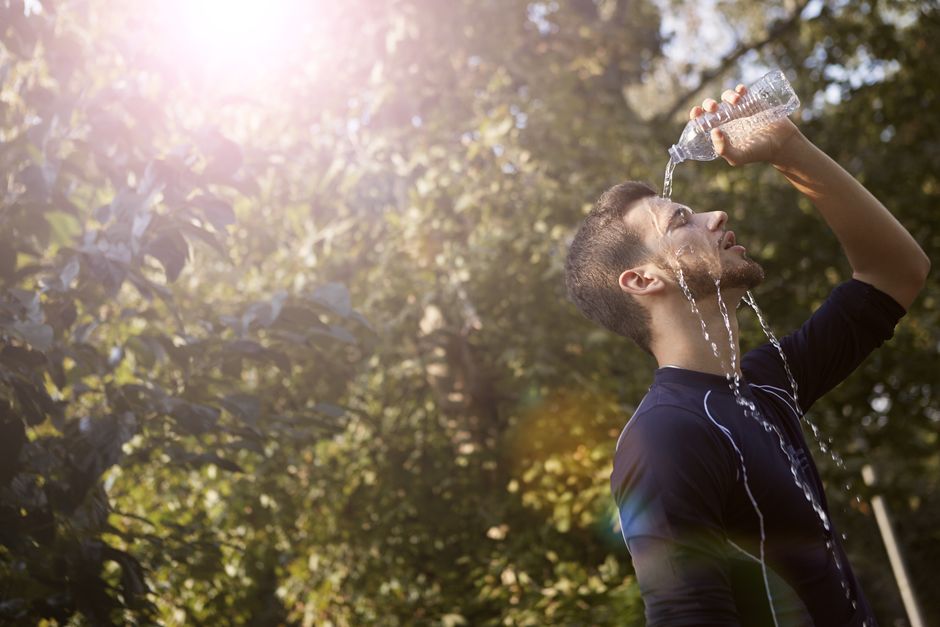
Canberra's summer heat is no joke. With temperatures regularly exceeding 35°C from December through February, and occasional peaks above 40°C, planning ahead isn't optional—it's essential for your health and wellbeing.
"Heat affects everyone differently," says Dr Sarah Chen, a GP at a local Woden practice. "Dehydration creeps up on you. Most people don't realise they're already depleted by the time they feel thirsty." The simple fix: drink water consistently throughout the day, not just when exercising. ACT Health recommends having a refillable bottle handy—Canberra's tap water is among Australia's safest and cheapest at roughly $3 per 1,000 litres.
Exercise timing matters. Early morning remains ideal; parkrun Tuggeranong, which runs free every Saturday at 8am, attracts hundreds of locals who've learned that 6am starts beat midday heat. If you prefer Lake Burley Griffin's cycling and running trails, aim for before 9am or after 6pm. "Smaller doses of activity spread throughout cooler parts of the day beat one intense session," suggests fitness experts—think a gentle walk to the shops rather than pushing yourself during peak heat.
Your environment shapes your safety. Keep curtains and blinds closed during the day, especially on north-facing windows in suburbs like Belconnen and Tuggeranong where afternoon sun exposure is relentless. Fans circulate air but don't cool it; if your home reaches 28°C or above, seek cooler spaces. Canberra's libraries—Woden, Gungahlin, and Southside branches—offer free, air-conditioned refuge and free water stations.
Watch for heat exhaustion signs: dizziness, nausea, rapid heartbeat, or unusual tiredness. Cool down with a lukewarm shower (cold water can shock your system) and move to air conditioning. Seek immediate help if symptoms worsen or you experience confusion or loss of consciousness.
Mental health matters too. Beyond Blue ACT reports that extreme heat increases anxiety and depression rates, particularly among older adults and those managing chronic conditions. Staying connected—even virtual coffee chats—helps. "Don't isolate," says a Beyond Blue counsellor. "Heat fatigue is real, and loneliness amplifies it."
Check on elderly neighbours, especially those living alone. A quick call or visit costs nothing and could be lifesaving.
For personalised medical advice about heat-related concerns, consult your local GP. ACT Health's 24-hour helpline (02 6207 7000) provides guidance on urgent concerns. Summer in Canberra is beautiful—preparation simply makes it safer.
This article was compiled by AI from the sources linked above and screened before publishing. See our editorial standards.
About this article
Published by The Daily Canberra
Spread the word
Daily brief
Free, in your inbox before 7am. Weekdays.
The Daily Network — local news across Australia