Type 2 diabetes affects more than 2 million Australians, yet emerging evidence shows that structured lifestyle changes can delay or even reverse the condition for many people. In Canberra, where we're fortunate to have world-class health services and abundant outdoor spaces, managing type 2 diabetes through exercise and nutrition is increasingly accessible.
ACT Health's diabetes education programs emphasise that movement needn't be extreme. "Smaller doses of exercise are effective," explains the principle behind local initiatives like parkrun Tuggeranong, held every Saturday morning at Tuggeranong Overland Park. The free, community-run 5km walks and runs attract hundreds of locals weekly and provide low-pressure ways to build activity into your routine. Lake Burley Griffin's 9.2km cycling and running circuit remains one of Canberra's most convenient outdoor assets—a 40-minute walk covers roughly half the loop from Acton Peninsula.
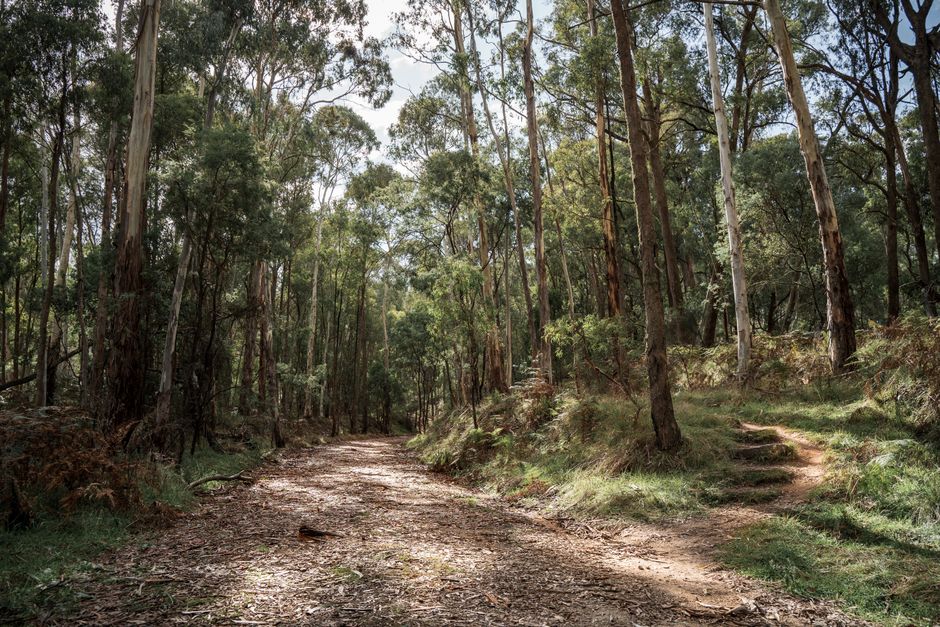
The practical starting point is simple: 150 minutes of moderate-intensity activity per week, such as brisk walking, significantly improves insulin sensitivity. For many Canberrans, this translates to three 50-minute strolls along the Molonglo River Walk (accessible from multiple entry points in Woden, Civic, and Belconnen) or shorter daily walks from suburbs like Tuggeranong Centre to the town parks.
Nutrition is equally critical. ACT Health dietitians recommend focusing on whole grains, lean proteins, and low glycemic-index foods rather than restrictive diets. Local farmers' markets—such as the Canberra Farmers Markets held fortnightly in Civic—offer affordable seasonal vegetables. A simple meal plan costs significantly less than managing complications: uncontrolled type 2 diabetes can lead to costly interventions, while preventive nutrition investment averages $15–25 weekly for quality produce.
Sleep and stress management complete the picture. Beyond Blue ACT provides free counselling and mindfulness resources; their phone line (1300 224 636) connects locals to practical psychological support, which research confirms improves diabetes self-management.
Progress tracking matters. GP visits at local medical centres (bulk-billed options available across suburbs like Kaleen, Kambah, and Gungahlin) monitor HbA1c levels—a three-month blood sugar average that guides whether lifestyle changes are working or medication adjustments are needed.
The evidence is clear: Canberra's combination of health infrastructure, outdoor spaces, and community programs creates ideal conditions for reversing type 2 diabetes through lifestyle change. Consult your GP to develop a personalised plan—but know that transformation often starts with a walk around the lake and a commitment to weekly movement.
This article was compiled by AI from the sources linked above and screened before publishing. See our editorial standards.