Cold water therapy and ice bath benefits explained
From muscle recovery to mental resilience, we explore what the science says about ice baths and cold water immersion—and how Canberra athletes are putting it to the test.
3 min read
From muscle recovery to mental resilience, we explore what the science says about ice baths and cold water immersion—and how Canberra athletes are putting it to the test.
3 min read
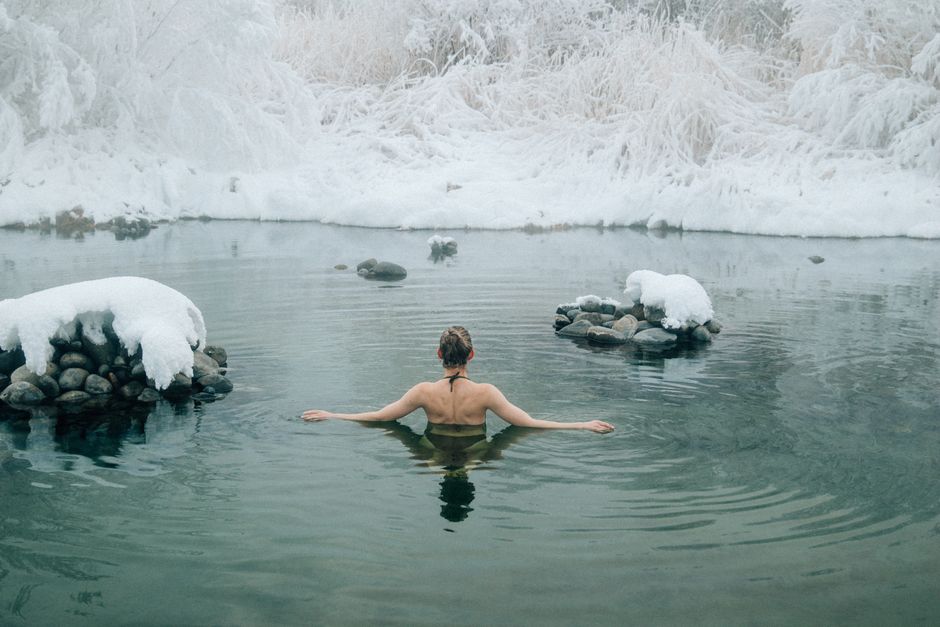
Cold water therapy has moved from niche biohacking into mainstream wellness conversations, with athletes, fitness enthusiasts and everyday Canberrans now experimenting with ice baths and cold plunges. But what does the evidence actually show, and is it worth the initial shock?
The science behind cold water immersion centres on several measurable effects. When you expose your body to cold water—typically 10–15°C—your nervous system activates what's called the "cold shock response." This triggers increased circulation, reduced inflammation and the release of endorphins, the body's natural mood-elevating chemicals. Studies suggest regular cold water exposure may support faster muscle recovery after intense exercise, making it attractive to runners training on the Lake Burley Griffin circuit or gym-goers across Canberra's growing fitness studios.
Mental resilience is another claimed benefit. Repeated cold exposure can build psychological tolerance to discomfort and may support mood regulation—a finding that aligns with Beyond Blue ACT's promotion of evidence-based wellness practices. Local GP consultations remain essential before starting any cold therapy routine, particularly for those with cardiovascular conditions.
In Canberra, options range from affordable to premium. Cold plunge studios have emerged in Braddon and Belconnen, with single sessions typically costing $25–$45 and membership packages available from $150 monthly. Many people start with simple home methods: cold showers (free) or filling a bathtub with ice and water (minimal cost). The ANU Recreation Centre and University of Canberra sports facilities occasionally feature cold water facilities as part of athlete recovery programmes.
Practical guidance suggests starting conservatively: 30 seconds to two minutes at 10–15°C, once or twice weekly. Breathing techniques matter—slow, deliberate breaths help manage the initial shock. Experts caution against ice baths immediately after heavy strength training; a 4–6 hour gap allows the body's natural inflammation response to support muscle repair.
Parkrun Tuggeranong participants and Lake Burley Griffin cyclists have anecdotally reported improved recovery and mental clarity, though individual responses vary significantly. Some find cold water invigorating; others experience no noticeable benefit.
The takeaway: cold water therapy shows promise for muscle recovery and mental resilience, but it's not a miracle solution. It works best alongside consistent exercise, sleep and nutrition—fundamentals championed by ACT Health services and local fitness communities. Always consult your GP before beginning, especially if you have health concerns. Cold water therapy may enhance your routine, but it complements rather than replaces proven wellness habits.
This article was compiled by AI from the sources linked above and screened before publishing. See our editorial standards.
About this article
Published by The Daily Canberra
Spread the word
Daily brief
Free, in your inbox before 7am. Weekdays.
The Daily Network — local news across Australia