Postpartum recovery: physical and emotional wellbeing
Canberra mothers navigating the fourth trimester can access free and affordable support to rebuild strength and mental health after birth.
2 min read
Canberra mothers navigating the fourth trimester can access free and affordable support to rebuild strength and mental health after birth.
2 min read
The weeks and months following childbirth demand far more than physical recovery. For Canberra parents, balancing the body's healing with emotional adjustment—often while sleep-deprived and managing a newborn—requires intentional planning and local support.
ACT Health provides free postpartum check-ups at women's health clinics across the territory, typically around six weeks after delivery. These appointments assess physical healing and screen for postnatal depression and anxiety. Beyond Blue ACT offers confidential counselling services; phone 1300 224 636 for support tailored to new parents. Many GPs in suburbs like Woden, Tuggeranong and Belconnen now offer perinatal mental health screening as standard care.
Physical recovery need not wait for formal clearance. The latest evidence supports gentle movement early—walking the Lake Burley Griffin circuit in Parkes, for instance, combines fresh air, social connection and low-impact exercise. Parkrun Tuggeranong (Saturday mornings, free) welcomes returning runners at any pace; many participants bring prams.
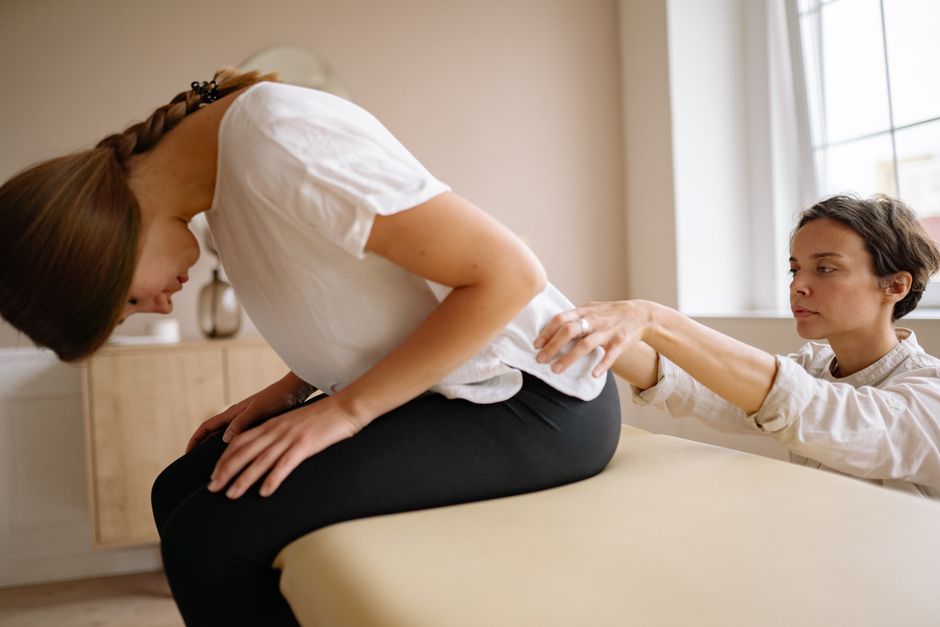
Structured postpartum physio addresses pelvic floor function, abdominal separation and joint stability—critical given pregnancy's biomechanical changes. ACT Health physiotherapy services cost around $20–$30 per session with a referral; private practitioners in inner suburbs charge $80–$120. Investment here prevents long-term issues and restores confidence for everyday activities.
Emotional recovery often gets overlooked. The 'baby blues' (2–14 days postpartum) differ from postnatal depression, which affects roughly one in seven Australian mothers. Symptoms—persistent sadness, anxiety, disconnection from baby—warrant professional support, not stoicism. ANU and UC both host community health clinics offering affordable counselling; UC's Canberra Health Psychology Centre charges on a sliding scale.
Practical steps matter. Sleep deprivation exacerbates mood changes; accepting help with household tasks or older children frees mental and physical bandwidth. Canberra's parks—Stromlo Forest Park, Commonwealth Park—provide accessible spaces to move gently while processing the enormity of new parenthood.
Peer support combats isolation. Local mother groups meet weekly across Canberra's suburbs; contact your local community centre or ACT Health for details. Shared experience normalises the physical demands (heaviness, bleeding, fatigue) and emotional rollercoaster many encounter silently.
Recovery is not linear. Some women feel energised by month three; others need six months or longer. There is no timeline to 'bounce back'—only progress toward feeling physically strong and emotionally anchored. Consult your GP if mood changes persist or physical recovery stalls.
This article was compiled by AI from the sources linked above and screened before publishing. See our editorial standards.
About this article
Published by The Daily Canberra
Spread the word
Daily brief
Free, in your inbox before 7am. Weekdays.
The Daily Network — local news across Australia