Technology
Canberra Builds Cyber Defenses as Human Error Remains Greatest Risk
With a new TAFE centre and industry partnerships, the capital builds its defences, but human error remains the greatest risk.
3 min read
Updated 4 d ago
Technology
With a new TAFE centre and industry partnerships, the capital builds its defences, but human error remains the greatest risk.
3 min read
Updated 4 d ago
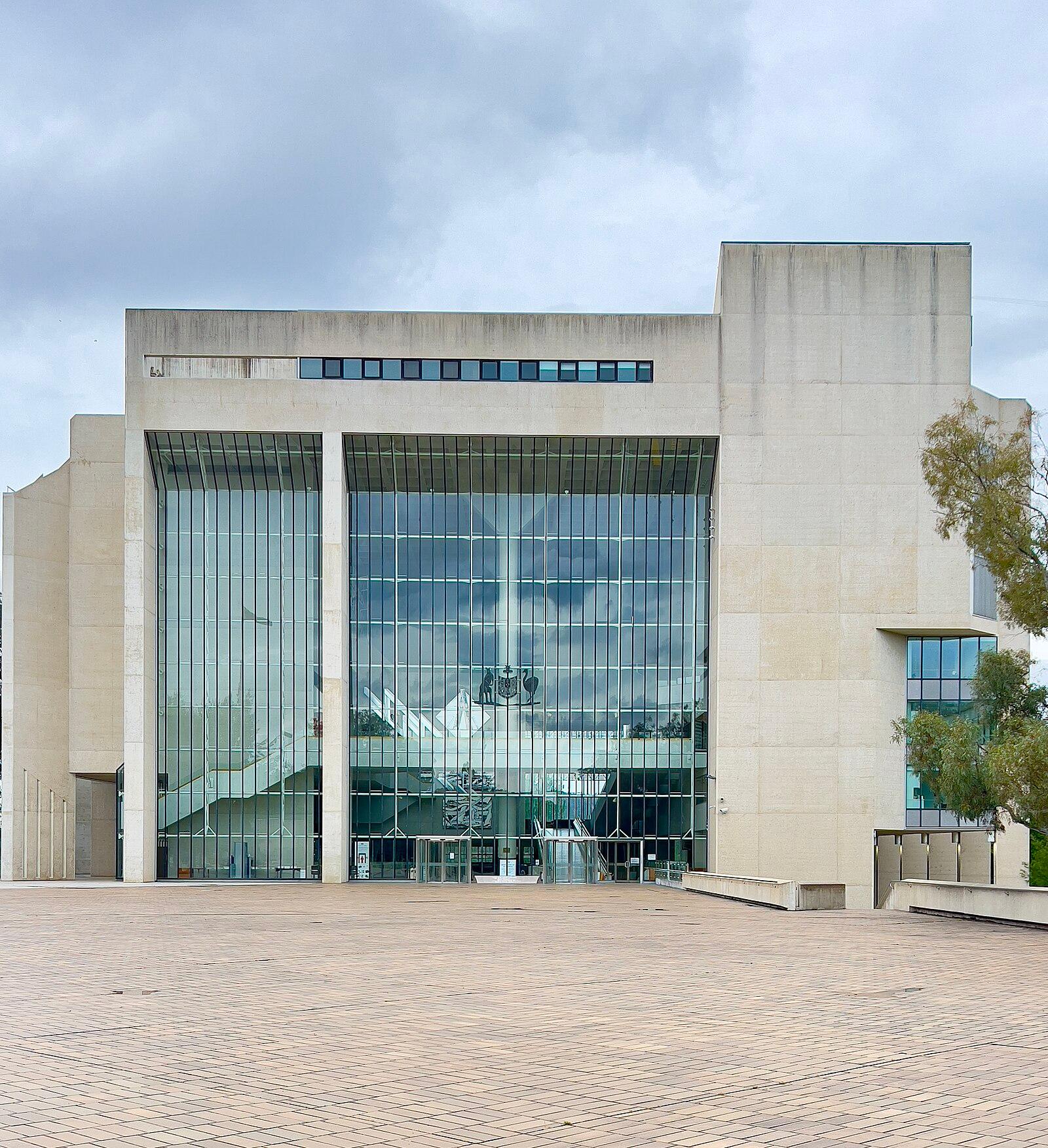
Canberra is gearing up for Cyber Security Awareness Month in October 2025, a national campaign that carries extra weight for a city that houses the country's cyber command, major government agencies, and a growing tech workforce. The national theme, 'Building our cyber safe culture,' sets an ambitious target: embedding three core actions into daily digital life, installing software updates, using unique strong passphrases, and setting up multi-factor authentication.
The campaign arrives at a moment when the threat landscape is deteriorating fast. According to recent data, a cybercrime is reported every six minutes in Australia. That works out to 232 attacks each day. The average reported incident now costs $56,600, a sum that can easily shut down a small business. Locally, Canberra's economy runs on government contracts, consulting firms, and a thick network of small and medium enterprises, many of which lack the IT budgets of their clients.
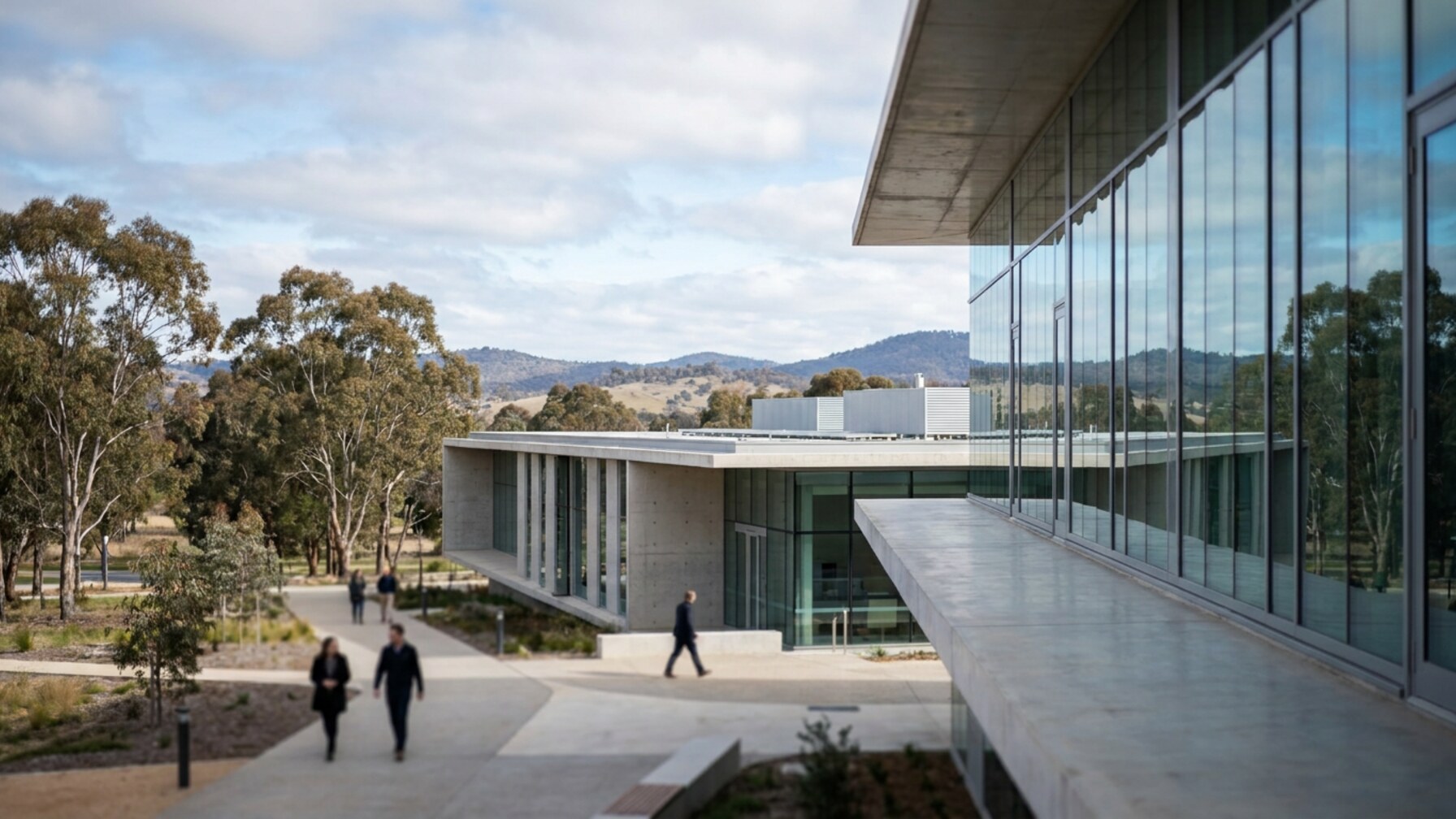
The capital is investing heavily in its response. The newly opened Cyber Security TAFE Centre of Excellence at CIT Woden is designed as a national hub for cyber skills, with a specific focus on critical infrastructure, energy, and utilities. The centre aims to strengthen Australia's sovereign cyber capability by training the next generation of specialists right here in Canberra. It's a concrete step, but one that will take years to produce a fully skilled workforce.
In the meantime, the numbers show where the real danger lies. A staggering 91% of successful data breaches start with spear phishing. That statistic makes employees, not technology, the single greatest cyber risk for organisations in Canberra and across the country. The most sophisticated firewall in the world can't stop a user from clicking a well-crafted email.
Innovation Central Canberra, based at the University of Canberra, is trying to close that gap. In partnership with Cisco and other industry players, the centre is delivering a short course called 'Behind the Breach' in October 2025, specifically focused on real-world cyber threats. The same group also runs a cyber awareness initiative for Australian parliamentarians, recognising that the people who make the laws are themselves frequent targets.
The push to build a 'cyber safe culture' is not without its tensions. As more institutions deploy monitoring tools, automated threat detection, and AI-driven security systems, questions arise about surveillance, privacy, and the balance between protection and overreach. For a city that is both the seat of government and a growing tech hub, those questions are not abstract. They play out in policy debates, procurement decisions, and the daily work of IT teams who must decide how much data to collect in the name of security.
Canberra's tech community is already engaging with these issues. Local meetups such as IT Social Canberra, held every Friday at 5:30 PM at Assembly The People's Pub in Braddon, regularly draw developers, data scientists, and cybersecurity professionals who discuss the ethical dimensions of their work. Upcoming public events, like the Tech in Gov 2026 conference on August 4-5 at the National Convention Centre, which is free to attend, will likely feature sessions on the cost and ethics of cyber defence.
For now, the advice from authorities is straightforward. Individuals and businesses should act on the three core actions of Cyber Security Awareness Month: update software, strengthen passphrases, and enable multi-factor authentication. The tools are simple. The question is whether enough people will use them before the next $56,600 incident hits home.
Technology
Technology
Technology

Technology
Technology
Technology
About this article
Published by The Daily Canberra
Spread the word
Daily brief
Free, in your inbox before 7am. Weekdays.
The Daily Network — local news across Australia