Even Realities, a Silicon Valley startup that makes smart glasses without a camera, is quietly gaining traction among professionals who want heads-up displays for productivity-not for recording their surroundings. The company, which shipped its first-generation product in late 2025, positions itself as an alternative to camera-equipped rivals like Meta’s Ray-Ban Stories, focusing instead on real-time text overlays, calendar alerts, and navigation cues.
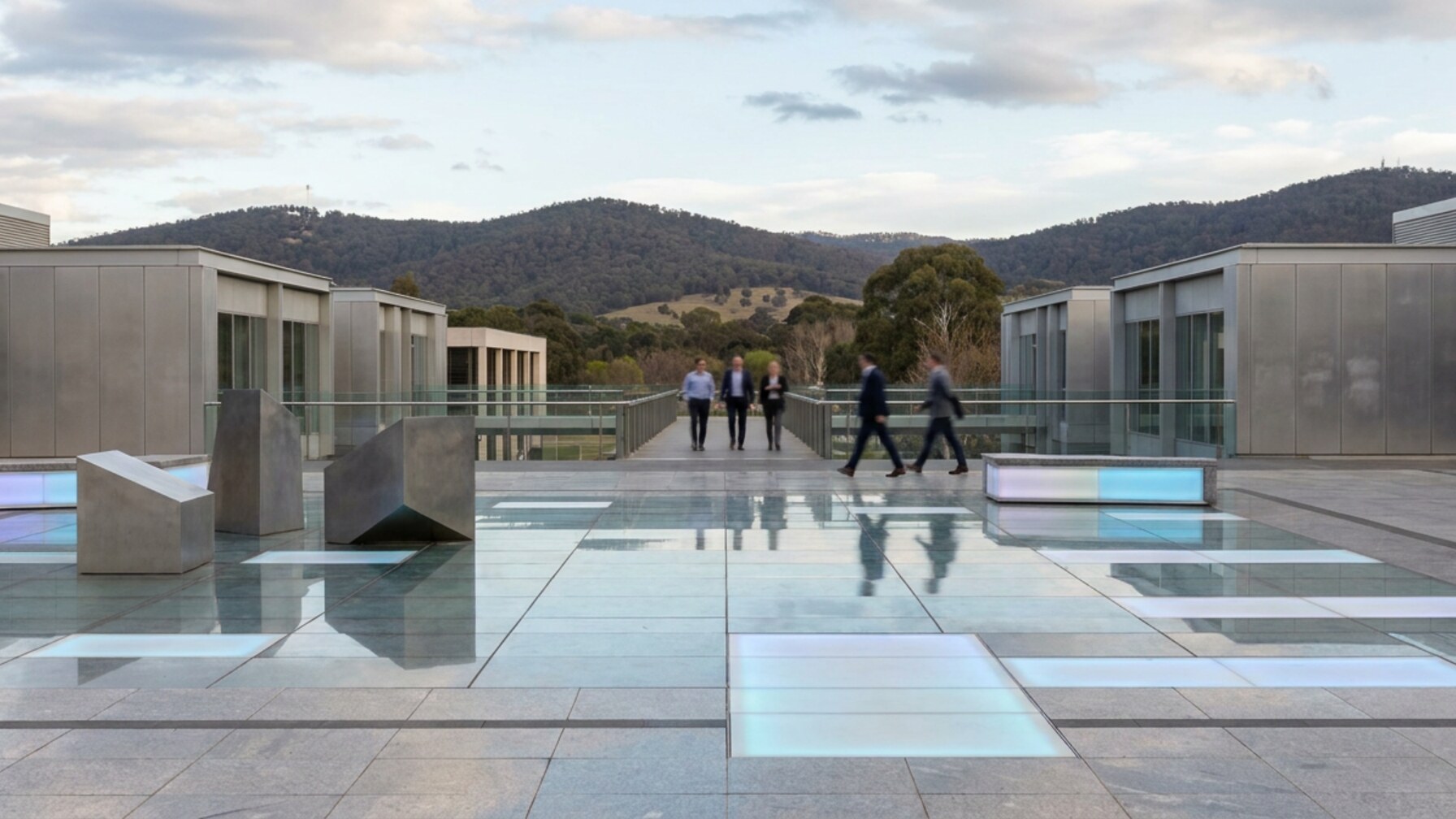
Why this matters now: Canberra’s tech sector, which accounts for roughly 8 percent of the territory’s economy according to the ACT Government’s 2025 economic update, has been scrambling for tools that boost efficiency without raising privacy concerns in open-plan offices and government buildings. Smart glasses with cameras have faced pushback from security-conscious agencies and private firms alike, creating a niche that Even Realities aims to fill.
A Local Use Case for No-Camera Eyewear
Several co-working spaces in the city, including the Canberra Innovation Centre on 1 Moore Street and the Griffin Hub in Braddon, have hosted informal demo sessions for Even Realities’ glasses in early 2026. Attendees reported that the ability to see calendar appointments, meeting notes, and walking directions directly in their field of view-without pulling out a phone-was a practical advantage for consultants and field workers who move between sites multiple times a day.
The glasses weigh just 45 grams and feature a minimalist design that resembles standard prescription frames, according to the company’s website. The device uses a laser-based projection system to display information on the lens, a method that the company claims reduces eye strain compared to traditional waveguide optics. The battery lasts about six hours of continuous use, enough for a full workday.
What’s Next for Productivity Wearables in the Capital
Even Realities has not announced a formal retail partner in Australia, but its $499 USD price point (roughly $760 AUD at current exchange rates) places it below most competing smart glasses. Local tech bloggers at Canberra Tech Review, an independent newsletter, noted in a July 2026 post that the lack of a camera makes the device “unlikely to trigger security alerts” in sensitive environments-a key selling point for government contractors who make up a significant share of the city’s tech workforce.
No specific adoption numbers for Canberra are publicly available, and the company declined to disclose sales figures by region. But the Australian Smart Wearables Association, an industry group based in Sydney, reported in its 2026 mid-year market snapshot that “productivity-focused eyewear” grew 23 percent in year-over-year interest among survey respondents in the Australian Capital Territory, outpacing growth for camera-based models nationwide.
For local professionals curious about the technology, the most practical next step is to attend one of the informal meetups organized by the Canberra Wearables Network, a grassroots community that meets monthly at the ANU’s School of Computing at 12:30 p.m. on the first Thursday of each month. The group shares user experiences and tips for integrating the glasses with existing work tools like Slack and Microsoft 365.
Even Realities may not be a household name-yet-but its no-camera bet resonates in a city where privacy and productivity are both high priorities.