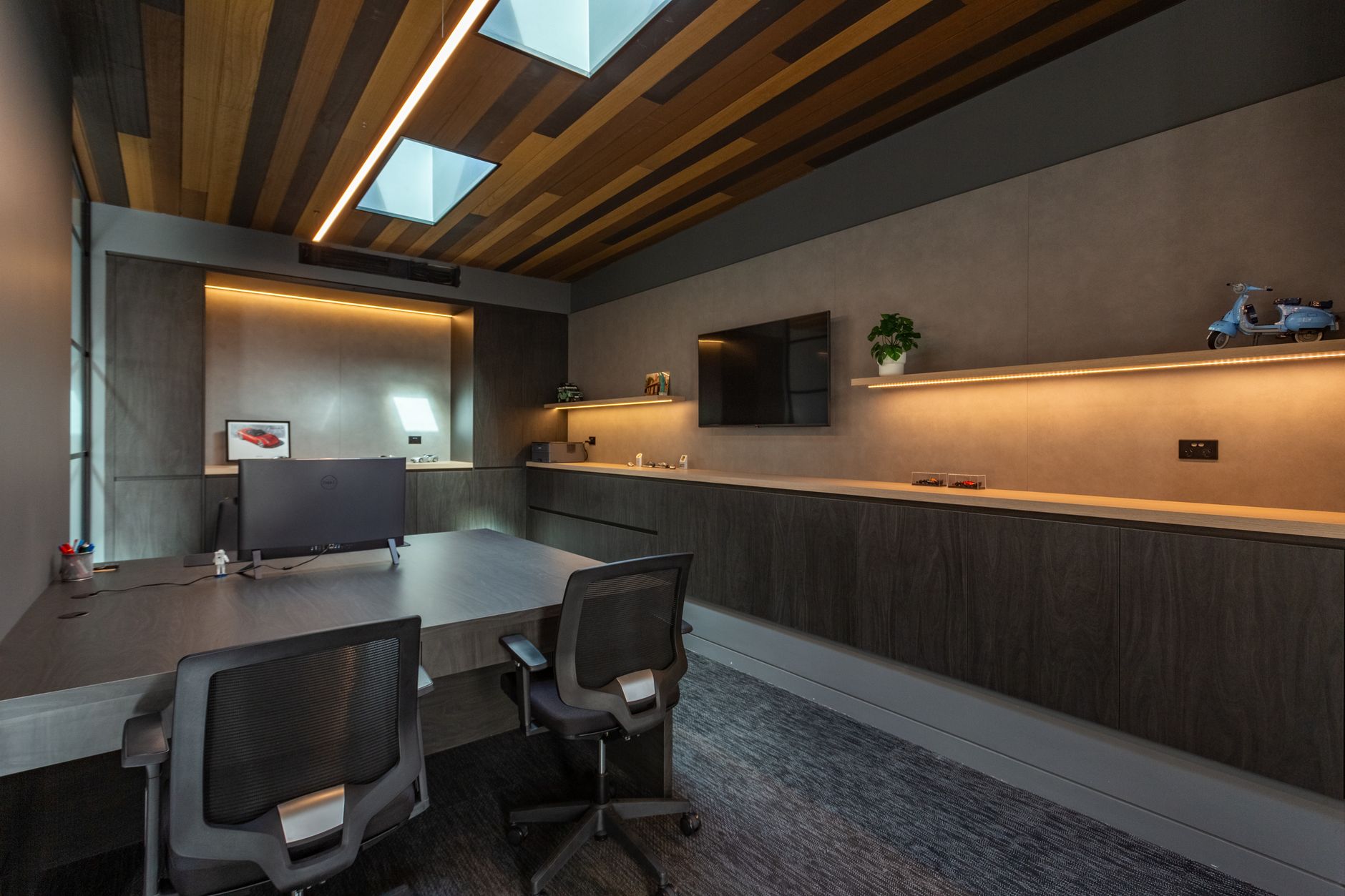
On a typical Tuesday morning in the inner-north suburb of Braddon, Kate Molloy starts her day with a video call to colleagues in Singapore while her teenage son streams a biology tutorial in the next room. A year ago, that routine meant lag, buffering and the occasional dropped connection. Today, it runs without a hitch.
Molloy is one of tens of thousands of Canberrans who have switched to fibre-to-the-premises broadband over the past 18 months, part of a nationwide upgrade that is finally reaching enough households to feel transformative. The shift matters because Canberra's economy depends disproportionately on knowledge work-public service, tech consulting, research-where slow internet isn't an annoyance, it's a productivity penalty.
From civic squares to living-room lecture halls
The change is visible in how people use public spaces. At the Kambah Village shopping centre, the local library reports that bookings for its free Wi-Fi study pods have dropped 40 percent since last summer. More residents now work from home, freeing up tables for casual users. 'People used to camp out here for hours because their home connection couldn't handle a Zoom meeting,' a library staffer said. 'Now they come in for 20 minutes to print something, then leave.'
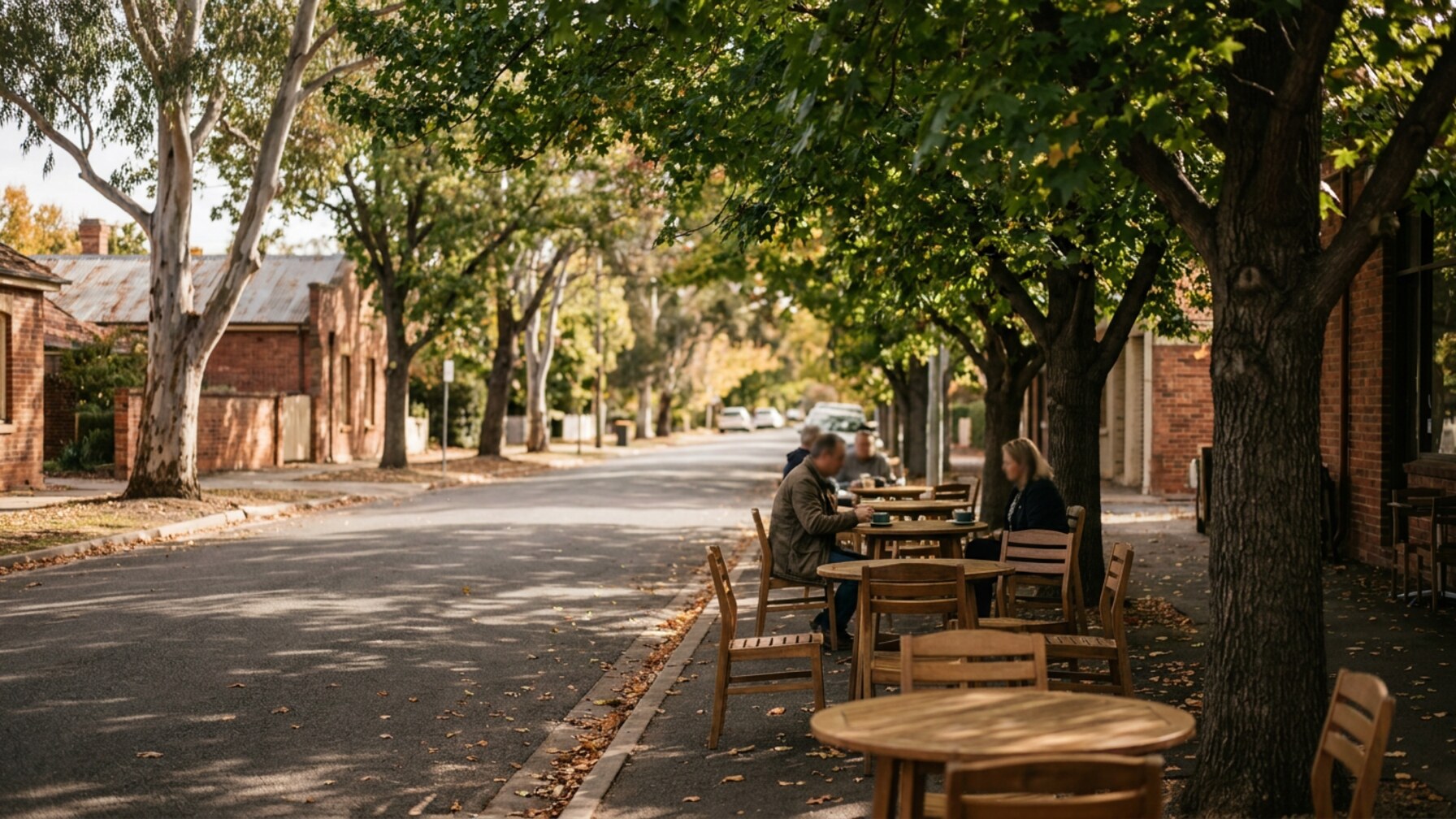
In the Woden Town Centre, the Canberra Innovation Network reports a surge in remote-work meetups-groups of neighbours who gather in cafes like Two Before Ten to co-work on the same high-speed network that serves their home offices. The trend is particularly strong in newer developments like the Molonglo Valley, where fibre was installed from the start.
Education is another domain being reshaped. The Australian National University reports that more than 60 percent of its 25,000 students now take at least one course entirely online, even when they live on campus. 'The assumption used to be that you needed to be in a lecture theatre to learn effectively,' a university spokesperson said. 'Students are telling us the quality of their home connection is now a factor in how they choose courses.'
Gigabit speeds, gig-economy lives
The economic knock-on effects are most visible among the capital's growing contingent of gig workers. In the inner-south suburb of Kingston, a co-working space called The Hub reports that 40 percent of its members are freelance content creators, data analysts or virtual assistants-people whose income depends on upload speeds that can handle large files or real-time collaboration. 'Last year, 80 percent of our drop-ins came in because their home internet couldn't keep up,' said the space's manager. 'Now it's more like 30 percent. They're signing up for the community, not for the bandwidth.'
That shift is mirrored in the rental market. Real estate agents across Canberra report anecdotally that listings now routinely flag connection type and speed, and that properties without fibre-to-the-premises can sit on the market weeks longer than comparable homes with it. The premium is especially strong in the Belconnen and Gungahlin suburbs, where many renters are students or young professionals.
But for all the gains, gaps remain. Households in older parts of the inner south-Forrest, Deakin, Red Hill-sometimes still rely on copper or hybrid fibre-coaxial connections, and some residents report that upgrades promised by providers have been delayed. 'We're seeing a two-speed city,' said a consumer advocate who asked not to be named. 'Those who got the upgrade early are thriving. Those still waiting are falling further behind.'
For now, the advice from consumer groups is straightforward: check your own connection type on your provider's website, and if you're still on an older plan, ask about upgrade timelines. The National Broadband Network's website offers a lookup tool, and some independent retailers now offer no-contract trials of faster tiers. As Canberra's tech scene keeps growing-and as the city's reliance on digital work deepens-the quality of a home connection is becoming as important as the quality of its kitchen.