Technology
Canberra's Green Tech Startups Gain Global Edge Through Federal Connections
The capital's direct links to federal decision makers and research hubs give its sustainable startups an edge few other cities match.
2 min read
Updated 4 d ago
Technology
The capital's direct links to federal decision makers and research hubs give its sustainable startups an edge few other cities match.
2 min read
Updated 4 d ago
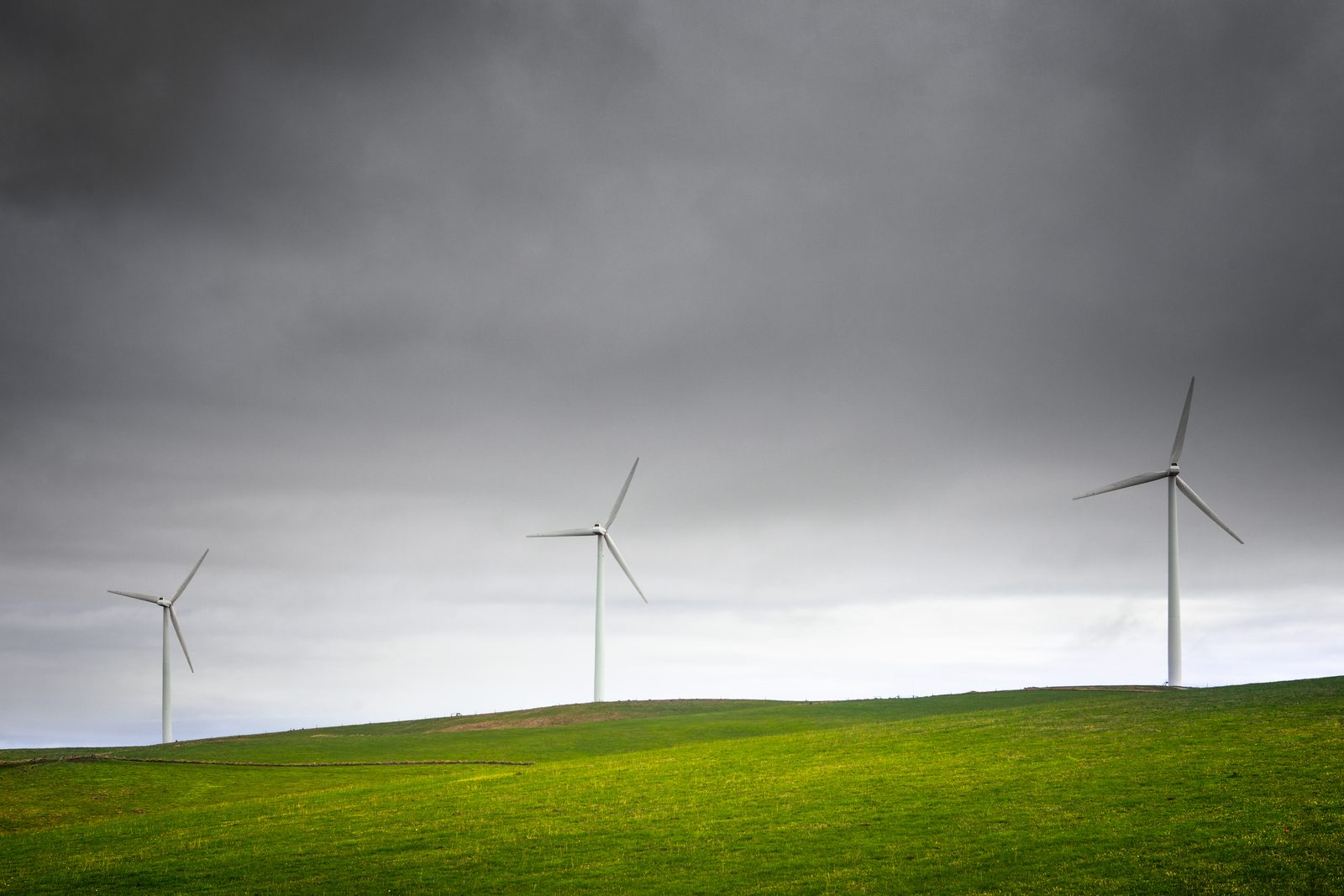
Canberra tech firms rolled out 180 new solar-linked battery units along Northbourne Avenue on 10 July, part of a grid-balancing project that has already cut peak demand by 14 percent in the inner north.
The timing aligns with the federal government's updated 2030 emissions pathway, released last month, which sets stricter targets for urban energy use and opens fresh funding streams for cities that can demonstrate measurable results quickly.
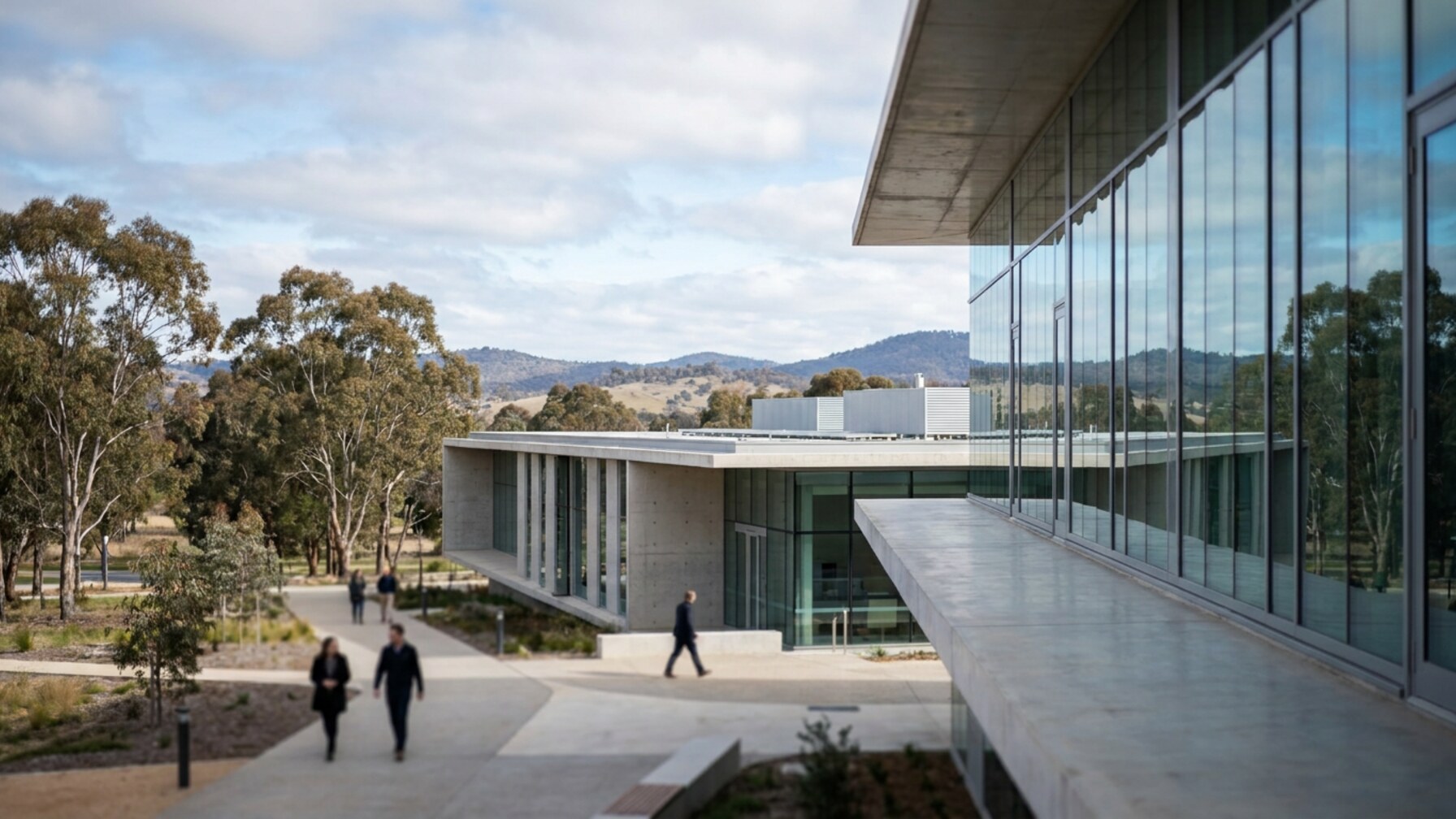
Work at the Australian National University campus in Acton focuses on low-cost perovskite panels designed for Canberra's variable sunlight patterns, while the Braddon innovation precinct hosts the Green Grid Cooperative testing vehicle-to-grid software on a fleet of 45 council vans. These two sites sit within a 15-minute drive of federal offices, allowing policy changes to reach prototype testing in weeks rather than months.
A 5 July report from the ACT Renewable Innovation Office recorded AUD 52 million in green tech contracts awarded to Canberra-based teams during the first half of 2026, up from AUD 31 million in the same period last year. Average project budgets run between AUD 800,000 and AUD 1.4 million, with 62 percent of funds tied to measurable carbon reductions tracked through the city's open data portal.
Residents and founders can register for the August demonstration day at the Mitchell Technology Park, where three battery firms will show live performance data from the Northbourne trial. The city website lists application deadlines and site-visit slots updated each Friday.
Technology
Technology
Technology

Technology
Technology
Technology
About this article
Published by The Daily Canberra
Spread the word
Daily brief
Free, in your inbox before 7am. Weekdays.
The Daily Network — local news across Australia