Canberra's technology sector generated an estimated $4.6 billion in output last year, according to figures from the ACT Government's 2025-26 Digital Economy Strategy, and for the first time, analysts are pointing to the capital, not Sydney or Melbourne, as Australia's most distinctive tech ecosystem globally. The reason isn't scale. It's structure.
The timing matters. Browser wars, AI terminology debates, and EV adoption struggles dominate global tech headlines right now, but the more durable story is about which cities have built innovation ecosystems that survive hype cycles. Canberra, with its unusual DNA of bureaucratic stability, defence spending, and research density, is quietly threading that needle.
The Government Advantage Nobody Talks About
Most tech cities struggle to find anchor clients. Canberra has the federal government, which spends roughly $10 billion annually on ICT procurement, effectively guaranteeing a customer base that no Silicon Valley investor can replicate. That spending pulls serious talent into the city and keeps it here. The Australian Signals Directorate, headquartered on Constitution Avenue in Russell, has become a quiet feeder institution for the private sector, much the same way America's NSA has seeded Maryland's cybersecurity corridor for decades.
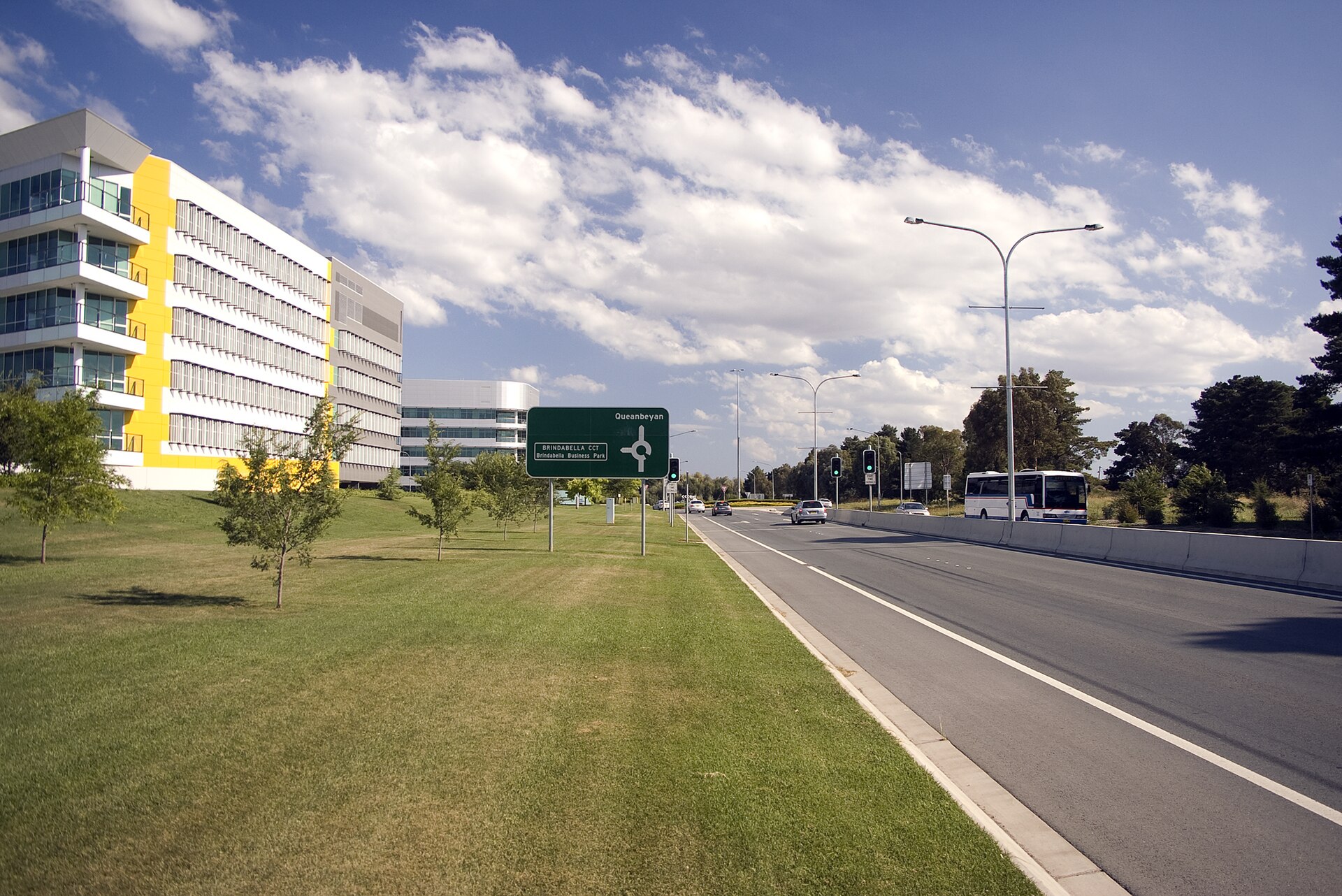
The result is a cluster of cybersecurity and defence-tech firms concentrated around the Brindabella Business Park near Canberra Airport and the newer Fyshwick technology precinct. Companies including Penten and Dialog Information Technology maintain significant Canberra operations specifically because physical proximity to government clients still matters in cleared, sensitive work. A startup can pitch a minister's department, iterate based on feedback within weeks, and have a procurement pathway that would take years in any other market.
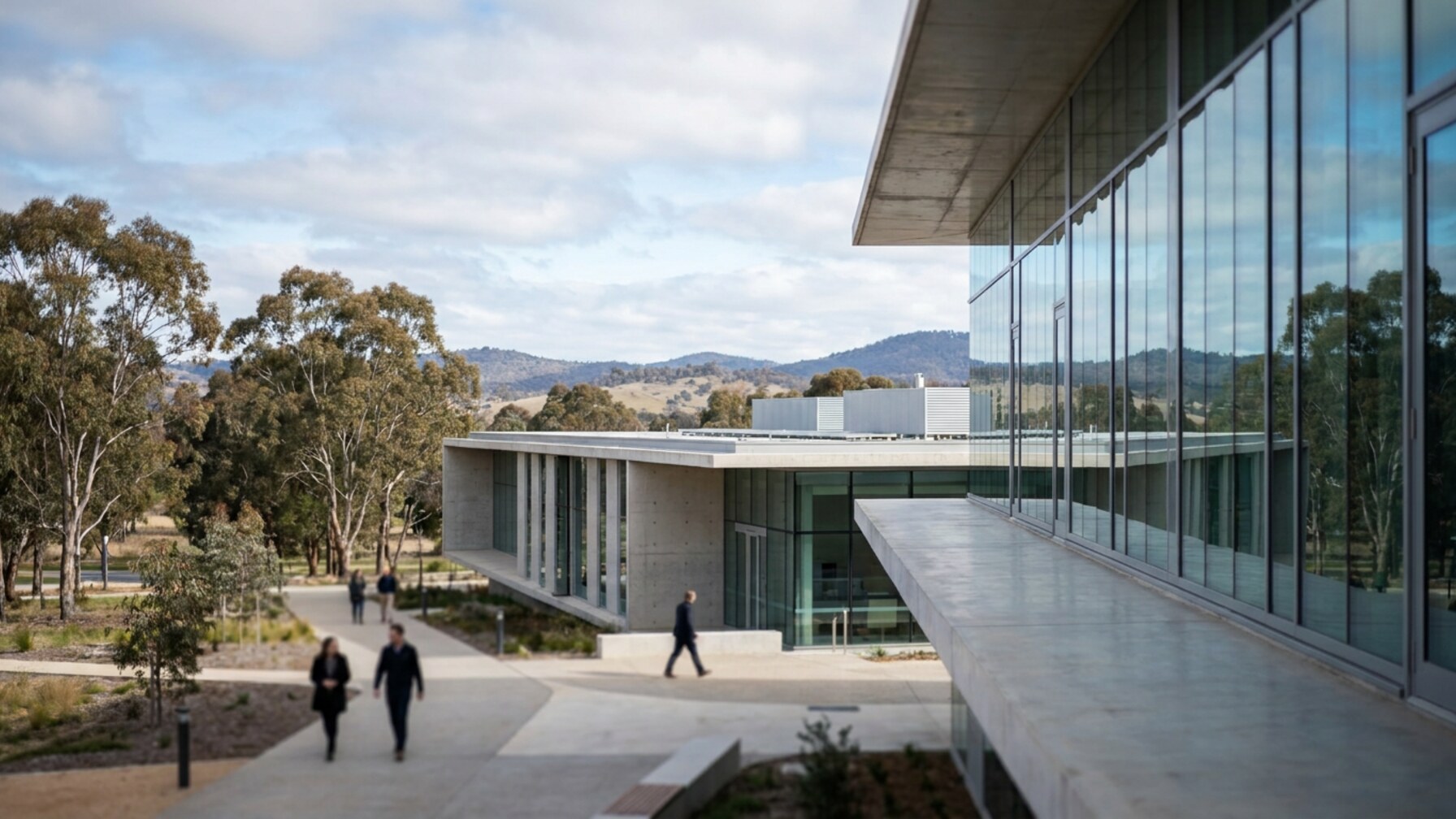
The Australian National University's Acton campus adds a second engine. The ANU's School of Computing sits inside a university ranked 34th globally by QS in 2026, and its commercialisation arm, ANU Connect Ventures, has backed more than 30 deep-tech spinouts since 2019. Quantum computing, machine learning for geospatial intelligence, and biosecurity sensing are all active threads. The university's proximity to Lake Burley Griffin, a ten-minute walk from the Lodge, makes informal government-researcher collaboration almost absurdly convenient.
What Separates Canberra From the Pack
The diversity comparison is instructive. London's tech sector runs on fintech and consumer apps. Singapore built itself on logistics and trade infrastructure. Tel Aviv is synonymous with defence and intelligence technology. Canberra is one of the very few cities where all three overlap inside a population of just 475,000 people, making it unusually efficient per capita.
Invest in Canberra, the territory's business attraction agency on London Circuit in the CBD, reported in March 2026 that applications from international tech firms seeking soft-landing support had risen 38 percent year-on-year, driven largely by companies looking for a stable regulatory environment and access to the federal procurement pipeline. Several European cybersecurity firms, particularly from Germany and the Netherlands, have flagged Canberra as a preferred entry point into the Five Eyes intelligence-sharing market.
The New Acton precinct, which has evolved from a dining and arts strip into a genuine mixed-use innovation neighbourhood, now hosts co-working operators and at least two Series A-stage startups alongside its restaurants and boutique hotel. Commercial rents there sit around $450 to $550 per square metre annually, steep by ACT standards but roughly a third of comparable Sydney CBD rates, which still attracts founders who need face time with policymakers without burning runway on office costs.
For founders considering a move, the practical advice is straightforward: engage with Entry29, the ACT Government's startup hub on Moore Street in Civic, early. The hub runs a structured program connecting new arrivals with procurement advisers and ANU researchers, and applications for its next cohort close on August 15. Companies that have come through that pipeline have collectively raised more than $280 million since the program launched in 2021. The ecosystem's distinctiveness isn't accidental, it has been deliberately engineered, and the returns are starting to show.