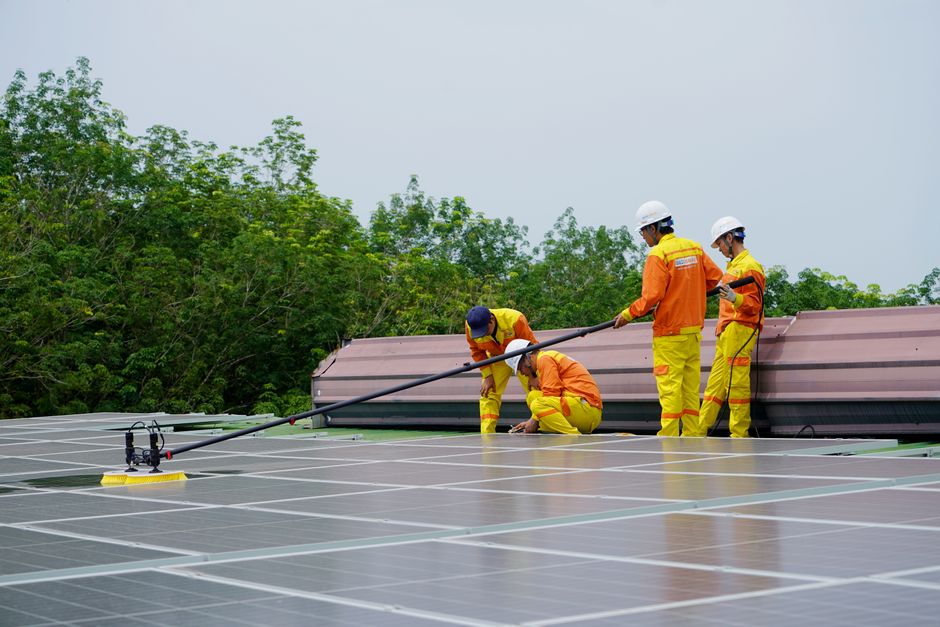
Canberra's tech sector has long been anchored by government and defence contracts, but a seismic shift is underway. The capital is rapidly positioning itself as a clean energy and sustainability hub, and the job market is moving faster than many professionals realise.
According to the latest Australian Renewable Energy Agency data, positions in renewable energy engineering, battery technology, and carbon accounting have grown 28% in the ACT over the past two years. Yet recruitment agencies report persistent difficulty filling these roles. The gap between demand and available talent is creating both an urgent problem and a genuine opportunity for workers willing to upskill.
Several factors are reshaping Canberra's employment landscape. Major projects along the Innovation Corridor near CSIRO Black Mountain are driving demand for professionals in grid modernisation and distributed energy systems. Meanwhile, federal policy commitments to net-zero targets by 2050 are generating sustained investment in green tech startups across Canberra's northern suburbs, particularly around the Braddon and Turner precincts where emerging clean-tech firms are clustering.
For job seekers, the immediate takeaway is clear: traditional tech credentials alone aren't enough anymore. Employers across the ACT are actively seeking professionals who combine software engineering, data analysis, or project management skills with emerging domain knowledge in renewable systems, environmental compliance, or circular economy principles. Industry bodies suggest obtaining supplementary certifications—from short courses in energy systems management to formal qualifications in sustainability—can materially improve hiring prospects.
Salary expectations are also shifting. Entry-level renewable energy technicians in Canberra now command $65,000–$75,000, while mid-career specialists in grid optimisation or green hydrogen projects regularly exceed $120,000. These figures represent genuine premiums over traditional IT roles, reflecting genuine scarcity.
The transition isn't painless. Workers from defence and government tech backgrounds may find their existing expertise only partially transferable. However, the ACT's established professional networks—including groups operating from civic venues like the Canberra Innovation Network hub—are increasingly focused on facilitating cross-sector knowledge transfer.
The window for positioning yourself in this transition is narrowing. Government contracts for clean energy infrastructure are ramping up, and private capital is flowing into the sector at unprecedented rates. Professionals who begin reorienting their skills now—even incrementally—will find themselves positioned for the next five years of Canberra's economic evolution. The question isn't whether clean energy will dominate the ACT's job market. It's whether you'll be ready when it does.
This article was compiled by AI and screened before publishing. See our editorial standards.