tech
Venture Capital Fuels Canberra's Coworking Expansion and Tech Growth
As major funding rounds flood the flexible workspace sector, Canberra's tech operators are betting big on a post-pandemic transformation.
2 min read
Updated 1 h ago
tech
As major funding rounds flood the flexible workspace sector, Canberra's tech operators are betting big on a post-pandemic transformation.
2 min read
Updated 1 h ago
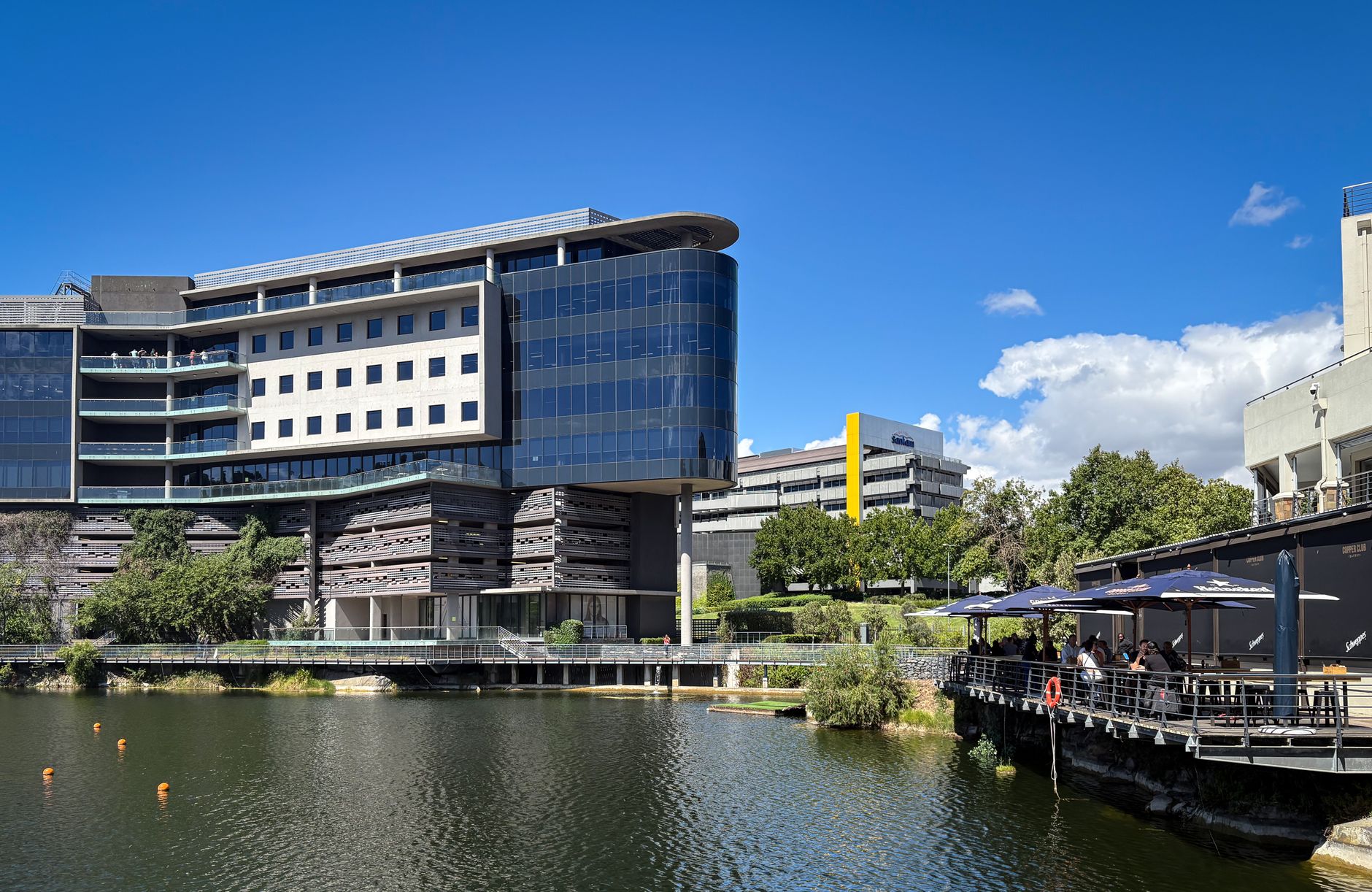
Canberra's flexible workspace market is attracting serious investor attention, riding a wave of funding that's reshaping how the city's tech workers operate. The trend mirrors global momentum in remote work infrastructure, with venture capitalists increasingly backing coworking operators who promise to fill the void between traditional offices and home-based work.
The numbers tell a compelling story. Australia's coworking sector has attracted over $340 million in venture funding since 2024, with Canberra capturing a meaningful share of that capital influx. Operators in Braddon and Kingston have reported 45% year-on-year growth in membership, as companies abandon long-term leases for flexible arrangements across the city's premium precincts.
This mirrors the broader tech M&A momentum evident globally. When European SaaS firms like Bending Spoons command valuations exceeding $18 billion on their public debuts, it signals investor confidence in digital-first business models—a confidence that extends to the infrastructure supporting remote and hybrid work. The message is clear: flexibility commands capital.
Canberra's advantage lies in its proximity to federal agencies and growing startup ecosystem. Coworking providers operating across Civic, Barton, and the emerging tech corridor near the University of Canberra have leveraged this positioning. Annual membership at premium facilities now ranges from $6,000 to $15,000, with day-pass rates climbing to $45—reflecting operators' confidence in sustained demand.
Funding patterns suggest investors are betting on consolidation and tech-enabled operations. Recent capital raises have prioritized platforms offering integrated booking systems, wellness tracking, and virtual collaboration tools—moving beyond simple desk rental. This sophistication attracts larger corporate clients seeking managed, scalable solutions rather than ad-hoc workspace arrangements.
Yet challenges remain. Property owners in Canberra's core business districts remain cautious about flexible workspace operators, with some preferring traditional anchor tenants. Landlords fear revenue volatility, even as data demonstrates that coworking operators maintain 85-90% occupancy rates during downturns.
The convergence of post-pandemic work habits, remote-first hiring practices, and investor appetite has created a compelling growth narrative. Canberra's tech community—increasingly distributed across the city's neighborhoods—represents an untapped market for operators willing to innovate beyond conventional coworking models.
As global tech giants signal confidence in distributed work through their own real estate strategies, Canberra's flexible workspace sector is poised to attract further capital. The question isn't whether coworking will persist; it's which operators will capture the city's growing tech talent base.
This article was compiled by AI and screened before publishing. See our editorial standards.
About this article
Published by The Daily Canberra
Spread the word
Daily brief
Free, in your inbox before 7am. Weekdays.
The Daily Network — local news across Australia