AI transforms Canberra parking, transport as smart city tech expands
From parking to public transport, AI-powered digital systems are solving everyday frustrations while raising questions about data privacy in Australia's capital.
AI may assist with research, summarising and drafting. Where public source links underpin the article, they are shown below. Sensitive material is held for human review, and people oversee the standards and corrections process. The Daily Canberra covers Canberra news. It is provided for general information only and is not professional, legal, financial, or medical advice. Read our editorial standards →
If you've commuted along Commonwealth Avenue lately, you've likely experienced one of Canberra's most tangible smart city innovations: adaptive traffic lights that learn peak congestion patterns and adjust timing in real-time. What once meant sitting through red lights at Parkes for up to three minutes during rush hour now averages 90 seconds-a small change that saves the average commuter roughly 40 minutes weekly.
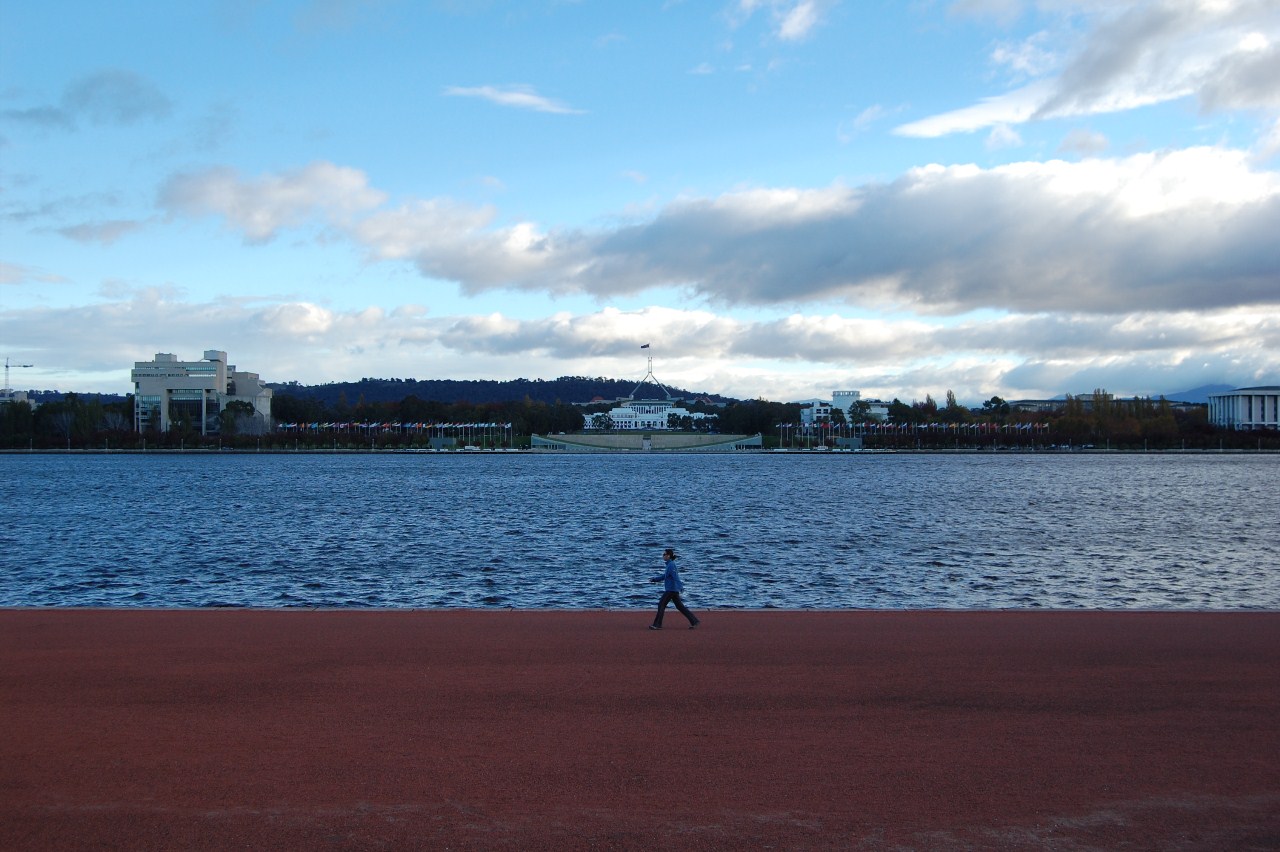
This is just one example of how digital transformation initiatives are quietly reshaping daily life for residents across Australia's capital. The ACT Government's $85 million smart city program, which ramped up implementation in 2024, has introduced interconnected systems designed to address longstanding urban frustrations. Lake Burley Griffin's integrated water management system now predicts flooding events 48 hours in advance, protecting the popular recreational precinct that draws over 2 million visitors annually.
Perhaps most visible to residents is the overhaul of parking infrastructure across central Canberra. The Smart Parking initiative, now deployed across Civic, Braddon, and Dickson, uses real-time sensor networks and mobile app integration to guide drivers to available spaces. Data from the first 18 months shows parking time in Civic's entertainment district has dropped from an average of 14 minutes to four minutes-meaningful for Friday night diners heading to restaurants along London Circuit.
But the transformation extends beyond convenience. Energy distribution systems powered by AI analytics have helped reduce electricity consumption in ACT Government buildings by 23% since 2024. Street lighting in the newer suburbs now responds to ambient light and movement, cutting energy use while improving safety perceptions among residents walking home after dark.
The rollout hasn't been without friction. Privacy advocates have raised concerns about the extent of data collection occurring across these systems. The ACT Privacy Commissioner received 47 complaints in the last financial year related to smart city initiatives-up from 12 the year prior. Officials stress that data is anonymized and retained for limited periods, but some residents remain skeptical about long-term surveillance implications.
Meanwhile, the digital divide persists. Older residents and those without smartphone access sometimes struggle to benefit from app-dependent services. The ACT Government has begun distributing subsidized tablets and providing in-person support at community centers, but uptake remains patchy in some neighborhoods.
Still, momentum is building. Next month, Canberra will trial autonomous shuttle buses on routes between the city center and Woden, positioning the capital as a testbed for transport innovation that could reshape commuting for the city's 460,000 residents.
This article was compiled by AI and screened before publishing. See our editorial standards.
Sources Include (But not Limited to)
Source material used in preparing this article is listed below so readers can check the original record.
Covering technology in Canberra. This article was generated by AI from the linked sources, under human oversight and our editorial standards. Sensitive material is held for human review before publication. See our editorial standards.
Spread the word
Share
Daily brief
Enjoyed this? Wake up to Canberra news every morning.