While San Francisco and London dominate headlines, Canberra is quietly building something different—a remote work environment that leverages its particular strengths rather than imitating coastal tech hubs.
The city's coworking landscape reflects this distinction. Spaces like Hub Australia in Braddon and The Innovyz on Northbourne Avenue offer not just desks, but access to something rare: proximity to government and policy-making institutions. Tech workers collaborating on civic tech solutions, regulatory compliance tools, or government-facing software enjoy immediate feedback loops with decision-makers that Silicon Valley founders can only dream of. Monthly membership rates averaging $350–$450 remain significantly below Sydney and Melbourne equivalents, making sustainable remote work accessible to early-stage teams.
Canberra's appeal extends beyond coworking economics. The city's compact geography—most tech precincts within a 10-minute drive—creates organic networking opportunities absent in sprawling metros. The Canberra Innovation Network, anchored around the University of Canberra, has cultivated a collaborative ethos where knowledge-sharing trumps zero-sum competition. Local enterprises increasingly operate fully distributed across Australian states, using Canberra as their operational base precisely because of lower overhead and high-speed NBN infrastructure.
Government engagement is the real differentiator. Unlike remote workers scattered across traditional tech hubs, Canberra-based technologists enjoy natural integration with policy bodies, research institutions, and federal agencies. This creates distinctive opportunities in digital identity, cybersecurity, and public sector innovation—sectors reshaping how democracies function globally. Several local startups now advise international governments on digital transformation, leveraging insights gained from working with Australian federal departments.
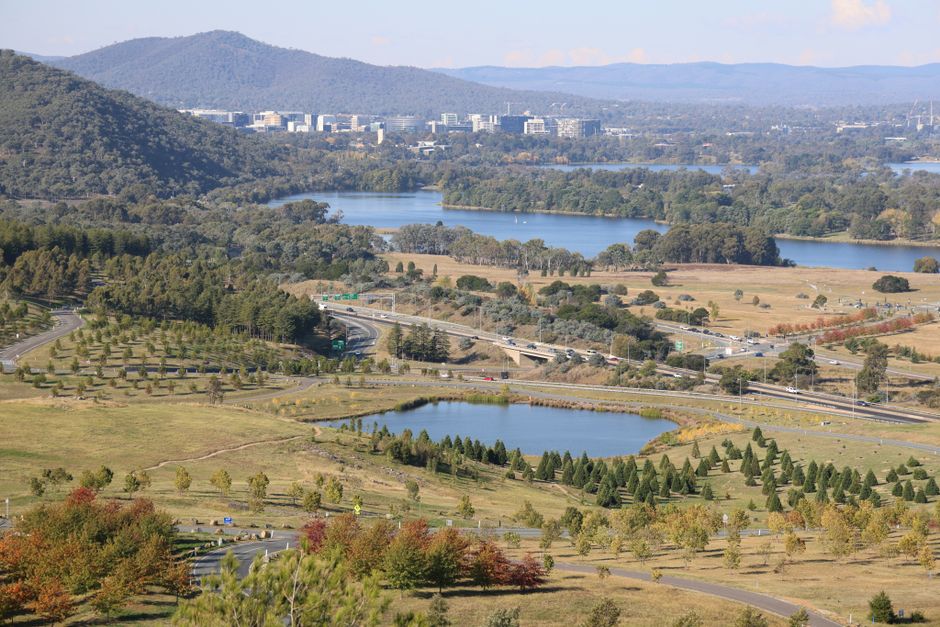
The city's remote-first culture also attracts talent seeking work-life balance. Canberra's lower housing costs, access to bushland, and thriving arts scene appeal to professionals tired of burnout culture. Many distributed teams—from fintech to AI development—now list Canberra addresses not for tax reasons, but because the lifestyle supports long-term productivity.
As global companies reassess remote work policies post-2026, Canberra's ecosystem demonstrates an alternative model: not a desperate attempt to replicate coastal glamour, but a deliberate cultivation of collaborative infrastructure tailored to unique local advantages. The city isn't competing to become the next Silicon Valley. It's becoming something more valuable—a distinctive proof-of-concept for how geography, governance, and community can reshape the future of work itself.
This article was compiled by AI and screened before publishing. See our editorial standards.