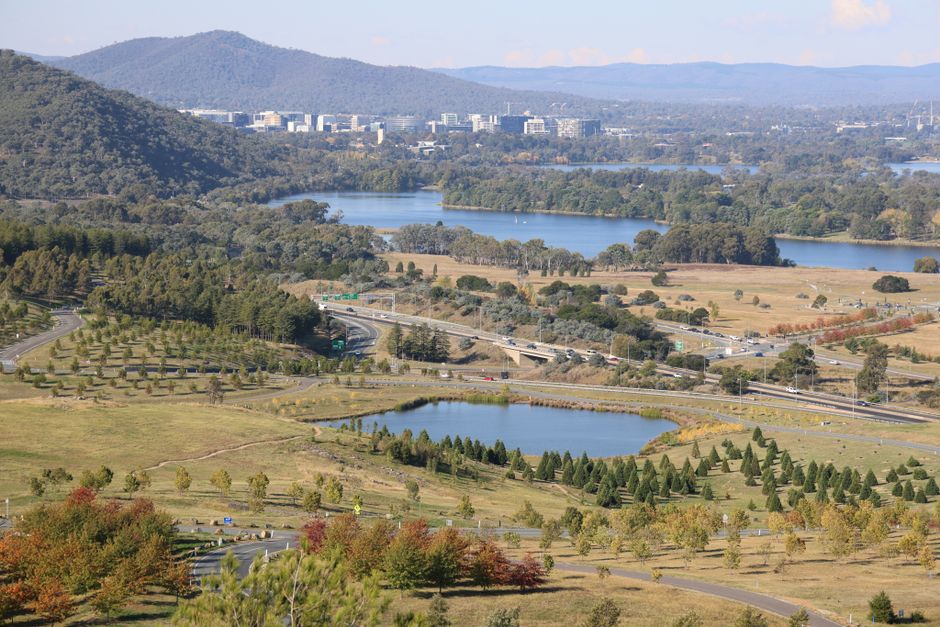
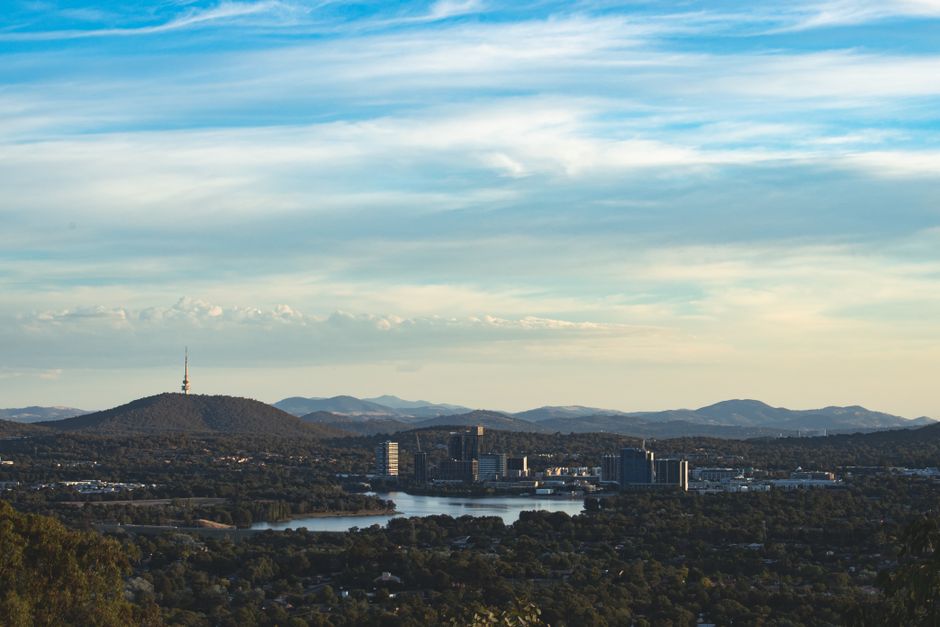
While San Francisco obsesses over large language models and Mumbai bets $30 million on AI office suites, Canberra's technology sector has carved a radically different path. The nation's capital has emerged as one of the world's few tech hubs where clean energy innovation, rather than consumer-facing software, anchors the entire ecosystem.
The distinction runs deeper than merely hosting renewable energy companies. Canberra's geography, policy environment, and institutional density create what rivals in Sydney and Melbourne struggle to replicate: a self-reinforcing cycle where energy transition infrastructure, regulatory expertise, and venture capital align around physical infrastructure challenges rather than viral growth metrics.
Consider the numbers. The Australian Capital Territory has committed to net-zero emissions by 2045, but unlike most government pledges, this one is backed by engineering reality. Canberra's grid already runs on 100 per cent renewable electricity—a fact that transformed the city from a policy-making centre into a living laboratory for distributed energy, battery storage, and grid management software. Companies headquartered along Northbourne Avenue and in the Braddon precinct operate with real-world infrastructure stakes that Silicon Valley startups can only simulate.
The Australian National University, CSIRO's Canberra facilities, and the Australian Renewable Energy Agency create an unusual concentration of technical talent and government relationships. Unlike coastal tech hubs where venture capital chases eyeballs and engagement metrics, Canberra's funding community (albeit smaller) backs companies solving 20-year infrastructure problems. Exit multiples may be lower, but so is the waste inherent in venture-scale betting on attention economy businesses.
This orientation has attracted a different calibre of founder. Rather than optimising for Series A valuations, Canberra's cleantech entrepreneurs benchmark against operational metrics: megawatt-hours delivered, grid reliability improved, emissions displaced. It's unsexy compared to the narrative surrounding Bending Spoons' $18 billion flotation, yet it produces companies with stickier revenue, longer runways, and defensible competitive moats.
Global cleantech investors increasingly recognise this. While mainstream venture capital remains concentrated in traditional tech hubs, the infrastructure-focused investment community—pension funds, impact investors, corporate development teams from energy majors—treats Canberra as a centre of gravity rivalling Copenhagen or Stuttgart.
The city won't produce the next $100 billion software giant. But as the world's developed economies face unprecedented infrastructure transition costs, Canberra's distinctive ecosystem—one where sustainability isn't a marketing layer atop a consumption-growth business model, but the fundamental problem being solved—offers a template for what global tech leadership looks like beyond artificial intelligence.
This article was compiled by AI and screened before publishing. See our editorial standards.