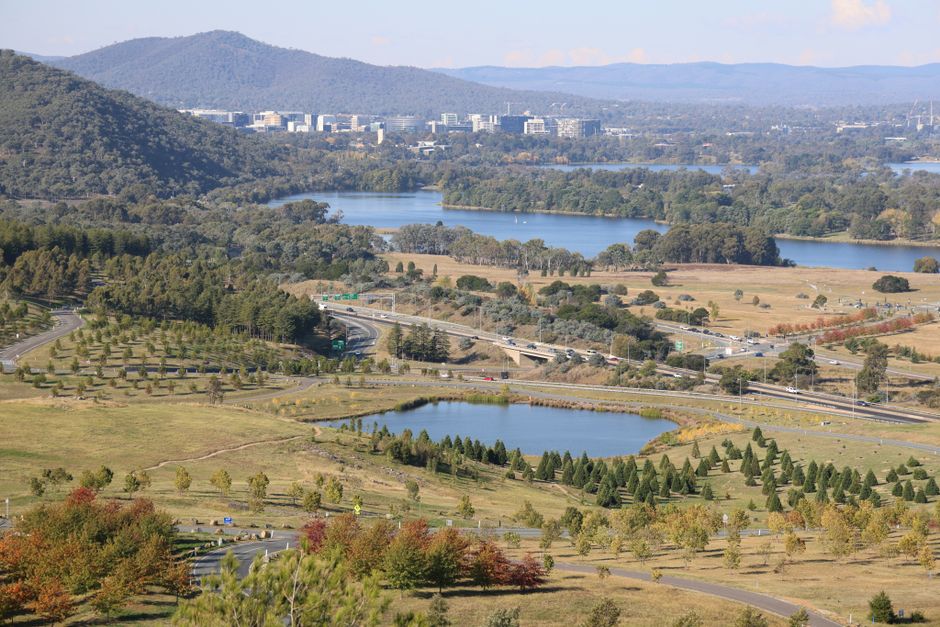
While Silicon Valley obsesses over the next generative AI breakthrough and Indian entrepreneurs pour millions into Office alternatives, Canberra has quietly become one of the world's most distinctive tech ecosystems—one built around solving the planet's hardest problem: clean energy transition.
The distinction isn't accidental. Canberra's geography, governance structure, and research institutions have created conditions that larger tech hubs struggle to replicate. The Australian National University's renewable energy research programs, clustered around the campus in Acton, have spawned dozens of deep-tech startups focused on battery technology, grid management, and carbon capture. Unlike coastal tech scenes driven by venture capital chasing consumer products, Canberra's innovation pipeline is anchored in physics and materials science.
"We're seeing institutional capital meet hardcore engineering here," explains the landscape of funding flowing through innovation districts along Northbourne Avenue and the emerging precinct around the Australian Institute of Nuclear Science and Engineering in Lucas. Government agencies, increasingly mandated to support net-zero commitments, have become anchor customers for local climate-tech firms—a stable demand signal virtually unknown in other tech capitals.
The numbers reflect this specialization. Canberra's clean-energy and sustainability tech sector now represents over 12% of the city's venture-backed startup activity, compared to roughly 4% across Australian tech hubs generally. Average funding rounds for climate-tech companies here exceed $8 million—substantially higher than the national startup median—because investors recognize the technical depth required.
What truly distinguishes Canberra globally is the absence of distraction. While Sydney and Melbourne chase every trending technology, this city's tech community remains laser-focused on decarbonization challenges: grid-scale energy storage, renewable hydrogen production, and advanced materials for next-generation solar cells. There's no hype cycle pressure to pivot toward generative AI or social apps.
This focus attracts a different caliber of talent and capital. International climate-tech investors—from the European Green Investment Bank to Asian sovereign wealth funds—increasingly view Canberra as a specialized destination rather than an alternative to Silicon Valley. The city's research institutions provide intellectual credibility that pure venture-backed ecosystems cannot match.
As global climate commitments tighten and renewable energy costs continue falling, Canberra's distinctive positioning becomes increasingly valuable. The city isn't competing to be the world's next general-purpose tech capital. Instead, it's become indispensable to something arguably more important: actually building the technologies that make decarbonization possible.
This article was compiled by AI and screened before publishing. See our editorial standards.