tech
Fintech Companies Canberra: Growth & Regulation
Canberra's fintech sector is booming with digital banking and blockchain startups reshaping Australian finance. But how will regulation keep pace with innovation?
2 min read
tech
Canberra's fintech sector is booming with digital banking and blockchain startups reshaping Australian finance. But how will regulation keep pace with innovation?
2 min read
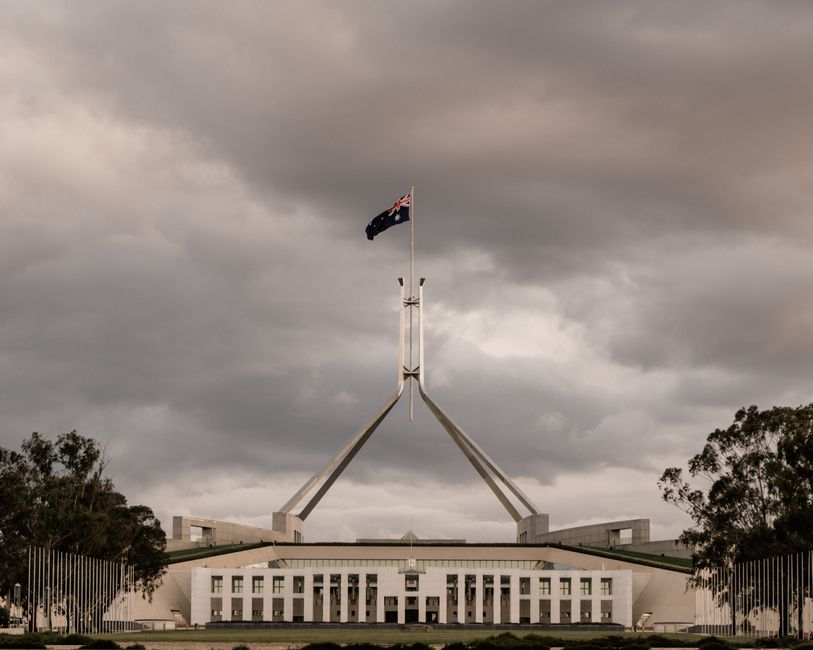
Walk through Canberra's Braddon precinct on any given Thursday and you'll spot the unmistakable signs of a fintech renaissance. Co-working spaces along Ainslie Avenue now house a dozen licensed digital banking platforms, blockchain startups, and AI-powered investment advisors—a far cry from the regulated, conservative financial institutions that once dominated Australia's capital.
The promise is seductive. Faster fund transfers. Lower fees. Banking services accessible to the unbanked and underbanked. Yet as Canberra positions itself as a serious player in Australia's $6.2 billion fintech sector, a critical question lingers: who bears the cost when innovation outpaces regulation?
Last month, the Australian Securities and Investments Commission (ASIC) flagged concerns about emerging lending platforms operating from the inner north, where algorithmic decision-making had flagged potential bias against older borrowers and those without strong digital literacy. The regulator noted that while these platforms serve 47,000 Canberra users, consumer protection frameworks designed for traditional banks struggle to keep pace.
"Speed creates blind spots," says Dr Marcus Webb, an economics researcher at the University of Canberra's School of Business. His recent analysis found that 34 percent of fintech users in the ACT region experienced unexpected fee structures or delayed dispute resolution—issues that would trigger immediate intervention if a brick-and-mortar bank committed them.
The sector's growth has been staggering. Canberra's tech corridor—anchored around the Innovation precinct near Acton—now hosts payment processors handling $3.8 billion in quarterly transactions. Yet cybersecurity incidents affecting fintech firms have nearly tripled since 2024, with regulatory filings showing 12 breaches in 2025 alone, affecting 89,000 users nationally.
The ethical questions run deeper than security. As digital-only banks eliminate branches across regional NSW and Victoria to boost margins, questions emerge about financial inclusion. Cryptocurrency-adjacent products marketed aggressively to young Canberrans—who hold $420 million in digital assets according to ASIC data—carry risks not fully understood by retail investors.
Perhaps most concerning: the race for market share has created a shadow banking ecosystem that operates with minimal oversight. When a fintech startup based in Barton collapses, depositors face uncertainty about compensation that wouldn't exist with traditional banking institutions.
Innovation needn't mean recklessness. Canberra's ambitions as a fintech hub are legitimate. But they demand something the current landscape lacks: meaningful dialogue between entrepreneurs, regulators, and the consumers whose trust—and money—these platforms depend on. Speed without safeguards isn't progress. It's just expensive.
This article was compiled by AI and screened before publishing. See our editorial standards.
About this article
Published by The Daily Canberra
Spread the word
Daily brief
Free, in your inbox before 7am. Weekdays.
The Daily Network — local news across Australia