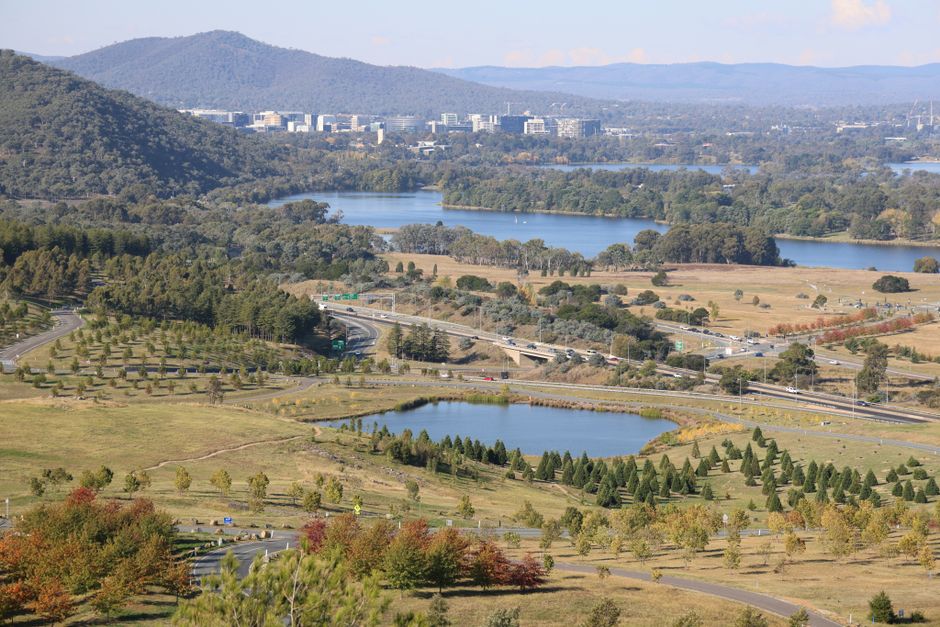
While Silicon Valley and Mumbai continue dominating global tech headlines, Canberra is quietly building something distinctly different—a tech ecosystem where government policy, world-class research institutions and ambitious startups converge in ways few other cities can replicate.
The trend is unmistakable. Companies relocating to Canberra's innovation precincts—particularly around the Black Mountain Technology Park and the emerging hub near the Australian National University campus—consistently cite one advantage their counterparts in crowded coastal cities lack: direct access to policy-makers and regulatory frameworks before they're finalized. It's a privilege worth millions in development cycles.
"We're seeing founders prioritize proximity to government decision-making," explains the ecosystem development community here. When Microsoft, Google and emerging AI companies make long-term bets, they're increasingly positioning teams in Canberra to shape—and respond to—Australian tech regulation in real-time. This isn't accident. It's structural advantage.
The numbers reflect this shift. Canberra's tech sector employment has grown approximately 23 percent over three years, with particular strength in cybersecurity, defence technology and AI applications—sectors where government collaboration isn't peripheral, it's essential. Companies like those in the nearby Dickson precinct have positioned themselves as bridges between bureaucratic need and technical capability.
What distinguishes Canberra from global competitors isn't just geography. It's the universities. ANU's computing research ranks consistently in the world's top 50, yet remains fundamentally integrated with the city's commercial tech scene in ways Stanford or IIT struggle to achieve. A researcher at ANU's School of Computing can move between academic projects and startup ventures without leaving the same suburb.
The international tech press—currently fixated on Rivian's EV ambitions, Microsoft Office alternatives from ambitious founders, and Apple's hardware roadmap—overlooks how Canberra companies are building infrastructure for the next decade. Local ventures in quantum computing, cybersecurity and climate tech aren't chasing trends. They're shaping the regulatory and technical standards others will follow.
Real estate costs matter too. A startup lease in Canberra's innovation zones runs roughly 40 percent below Sydney equivalents. That capital stretches further toward R&D and talent acquisition. When an Indian tech entrepreneur bets $30 million on an AI productivity platform, Canberra-based teams have competitive cost advantages without sacrificing access to elite talent.
As global tech consolidates further into a handful of expensive megacities, Canberra's distinctive advantage—government engagement, research excellence, cost efficiency—grows more valuable. The city isn't trying to compete with Silicon Valley. It's building something structurally different, and the world is beginning to notice.
This article was compiled by AI and screened before publishing. See our editorial standards.