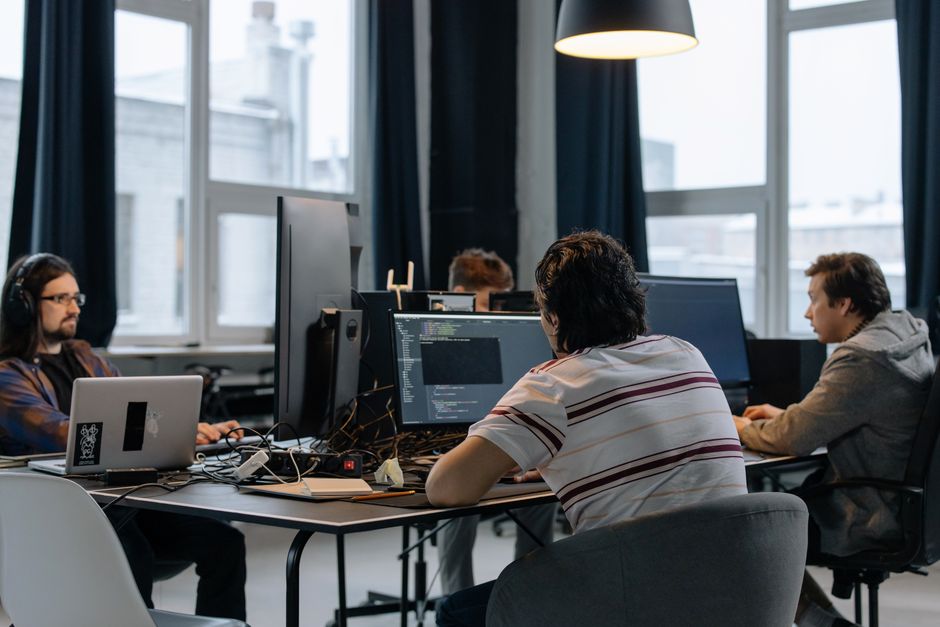
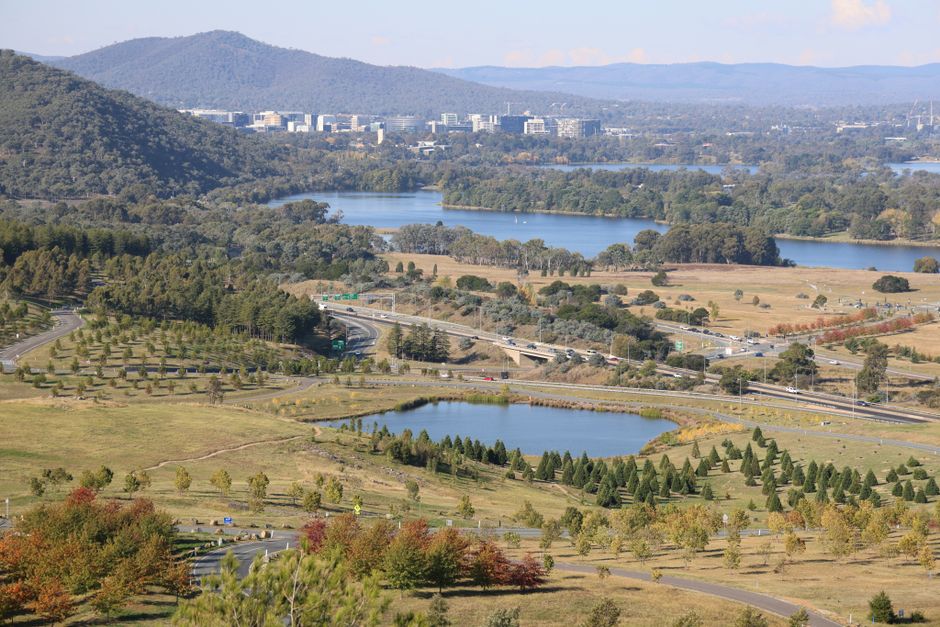
Walk into a café along Lonsdale Street in Braddon these days and you'll notice something different. Baristas are using AI-powered inventory systems that predict espresso bean shortages before they happen. At fitness studios across Belconnen, personalised workout recommendations arrive via app before clients even step onto the treadmill. These aren't experiments anymore—they're the new normal.
Canberra's business community is experiencing a quiet revolution. Small retailers in Woden Plaza and Tuggeranong are deploying AI chatbots to handle customer service, freeing up staff for more complex tasks. Local accounting firms, concentrated around the Parliamentary Triangle, report that AI tools are automating routine tax preparation work, allowing human accountants to focus on strategy and client relationships rather than spreadsheets.
The shift is particularly visible in Canberra's professional services sector, which represents roughly 18% of the local workforce. Law firms from Civic to Yarralumla are using AI to review contracts and conduct legal research—tasks that previously consumed hundreds of billable hours. One Civic-based firm estimates they've reduced document review time by 40 per cent since implementing these systems.
But the impact extends well beyond white-collar work. Hospitality venues around Garema Centre are using AI analytics to optimise staffing levels and predict peak dining hours. Real estate agents across established suburbs like Forrest and Deakin now employ AI-driven property valuations alongside traditional appraisals, offering clients more data-informed decisions. Even tradies are adopting AI scheduling tools that coordinate jobs across greater Canberra more efficiently than manual booking systems ever could.
Not everyone is enthusiastic. Workers in administrative roles express concern about job security, though employment data so far suggests displacement rather than elimination—people are retraining rather than being displaced entirely. The ACT government has begun funding digital literacy programs to help residents upskill.
What's striking is how normalised this shift has become. Residents ordering coffee in O'Connor or booking appointments in Gungahlin rarely think about the AI systems processing their requests. The technology has become invisible infrastructure, woven into the fabric of how Canberra does business.
As global companies like the Indian entrepreneur betting $30 million on office productivity alternatives compete for market share, Canberra's businesses—both established and emerging—are early adopters. The city's tech-savvy population and government sector concentration have created an environment receptive to innovation. What happens here often signals broader Australian trends. For daily life in Canberra, that means the AI revolution isn't coming. It's already redesigning how we work, shop, and connect.
This article was compiled by AI and screened before publishing. See our editorial standards.