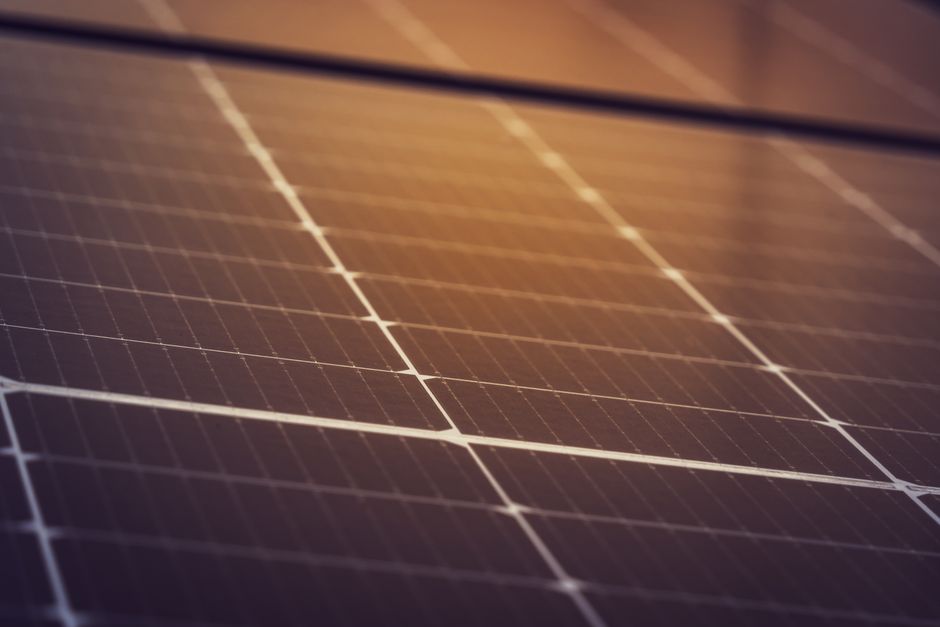
Walk down Northbourne Avenue on a sunny morning and you'll notice something that was rare five years ago: rooftop solar panels have become as common as satellite dishes. For residents like those in the inner suburbs of Braddon and Turner, the shift toward clean energy technology isn't just an environmental statement—it's fundamentally changing their household economics.
The numbers tell the story. According to the ACT Government's latest renewable energy report, residential solar installations across the territory have jumped 34% in the past two years, with the average household system now costing less than $4,500 after rebates. For a typical Canberra family, that translates to electricity bill savings of $800 to $1,200 annually—money that flows directly back into local wallets.
But the transformation extends far beyond rooftop panels. At the Canberra Technology Park in Mitchell, several companies are developing the next wave of green tech: smart home systems that automatically manage energy consumption, battery storage solutions that store solar power for evening use, and grid-management software that's quietly revolutionising how the ACT distributes electricity.
"What we're seeing is a democratization of energy," explains the sustainability team at Canberra Institute of Technology. "People aren't just consuming electricity anymore—they're producing it, storing it, and sharing it."
The real-world impact is visible across neighbourhoods. EV charging stations, once a curiosity, now dot shopping precincts at Westfield Canberra and the Kingston foreshore. Public transport improvements, particularly along Canberra Avenue, are being powered by renewable sources. Even smaller amenities—like the solar-powered water fountains recently installed throughout Haig Park—reflect this gradual shift.
Housing developments in Gungahlin are increasingly built with passive solar design and integrated energy storage, reducing new residents' energy footprint from day one. Meanwhile, community gardens in suburbs like Lyneham are experimenting with hydroponic systems powered entirely by solar panels.
Perhaps most significantly, clean energy technology is creating local jobs. Installation companies, electricians, and tech support roles have expanded substantially, with the ACT's clean energy sector now employing over 2,400 people.
The transition hasn't been seamless everywhere. Some older neighbourhoods still grapple with outdated grid infrastructure. But as technology becomes cheaper and increasingly integrated into everyday infrastructure, Canberra residents are experiencing a tangible shift: lower bills, cleaner air, and the knowledge that their daily energy use is shifting toward sustainability.
This article was compiled by AI and screened before publishing. See our editorial standards.