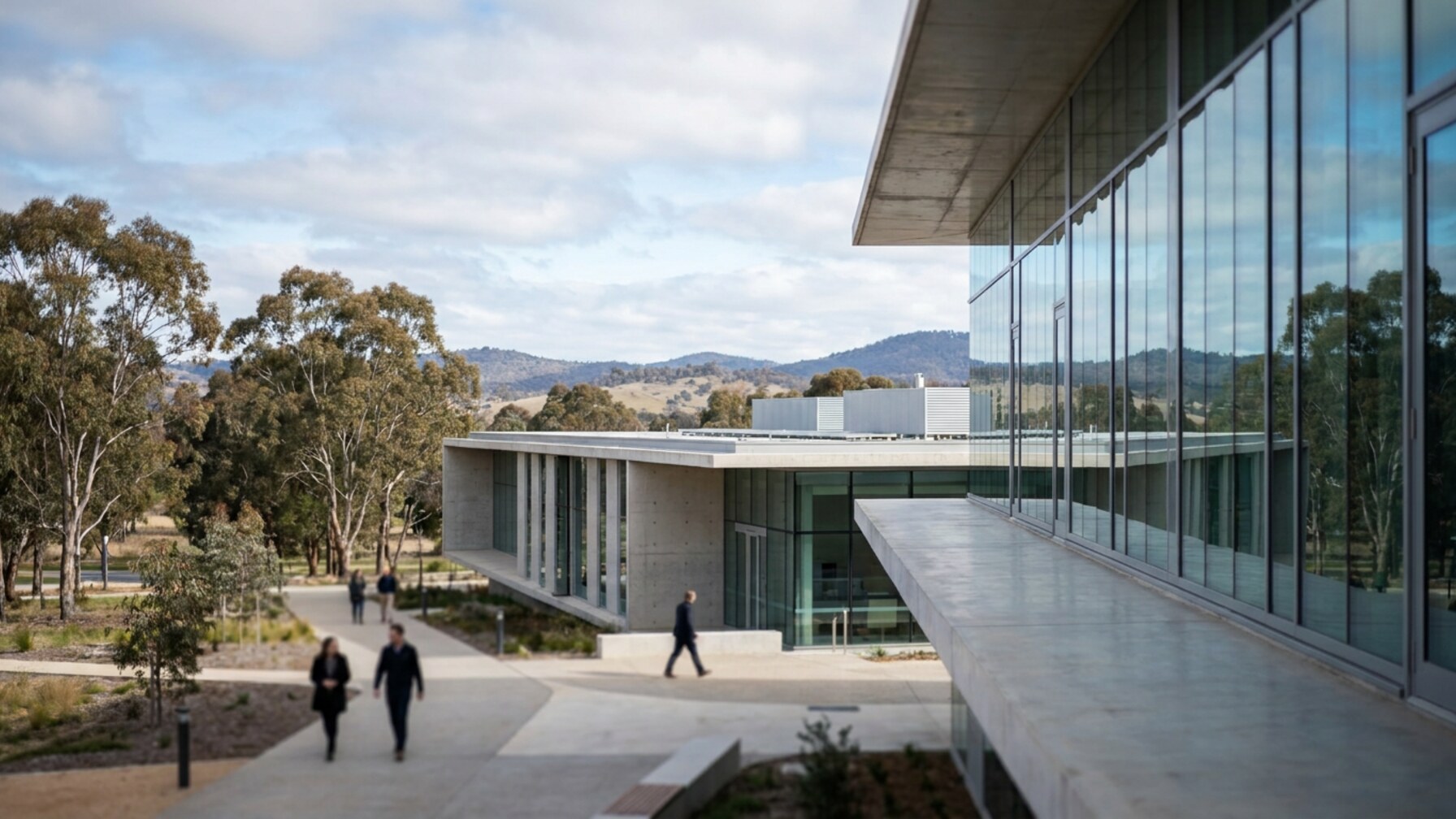
Canberra's technology precinct is experiencing a fintech gold rush. Over the past 18 months, venture capital firms have poured more than $340 million into Australian financial technology companies, with a growing cluster of startups now operating from office spaces along Constitution Avenue and around the Canberra Innovation Network in Braddon.
The investment surge mirrors a global trend. Worldwide fintech funding reached $210 billion in 2025, though venture investors have become more selective after the SaaS downturn that plagued the sector through 2024. What's changed is founder discipline and profitability focus-lessons that Canberra's emerging fintech leaders have taken to heart.
"We're seeing institutional capital treat fintech differently now," explains one local venture analyst. "It's not about user growth at any cost. It's about sustainable unit economics and clear paths to profitability." Several Canberra-based fintechs are attracting Series B and C rounds precisely because they've demonstrated revenue traction and customer retention metrics that satisfy the new investment criteria.
The local ecosystem benefits from Canberra's proximity to government and regulatory bodies-a natural advantage for compliance-heavy financial services. Companies operating from shared spaces near the City Centre are capitalizing on easier access to policymakers and banking regulators, accelerating product development cycles.
Recent funding announcements have caught international attention. A payments platform founded by Canberra entrepreneurs secured $47 million in their latest round, while a digital banking app incubated at the local innovation hub raised $62 million from Asian investors seeking Australian fintech exposure. These aren't outliers-they reflect a pattern of accelerating capital deployment into the sector.
The investment environment remains competitive but rational. Unlike the euphoric 2021-2022 period when "move fast and break things" attracted funding, today's investors demand transparent metrics: customer acquisition costs, lifetime value ratios, regulatory compliance records, and clear competitive differentiation.
Canberra's advantage extends beyond geography. The city hosts a growing talent pool of developers, designers, and compliance specialists drawn by lifestyle benefits and lower operational costs than Sydney or Melbourne. Office rents in Braddon average $450-$550 per square metre annually-roughly 40 per cent less than comparable Sydney CBD space-allowing founders to stretch funding further.
As global fintech capital continues flowing-though more selectively than before-Canberra's position as an emerging hub appears strengthened. The next wave of winners will likely come from teams that combine technical excellence with the financial discipline that today's venture investors demand.
This article was compiled by AI and screened before publishing. See our editorial standards.
Sources Include (But not Limited to)
Source material used in preparing this article is listed below so readers can check the original record.