Sport
Pressure mounts on Canberra’s sporting infrastructure as community demand surges
Aging facilities and high usage rates are pushing the capital’s grassroots athletic programs to their limits.
2 min read
Updated 4 h ago
Sport
Aging facilities and high usage rates are pushing the capital’s grassroots athletic programs to their limits.
2 min read
Updated 4 h ago

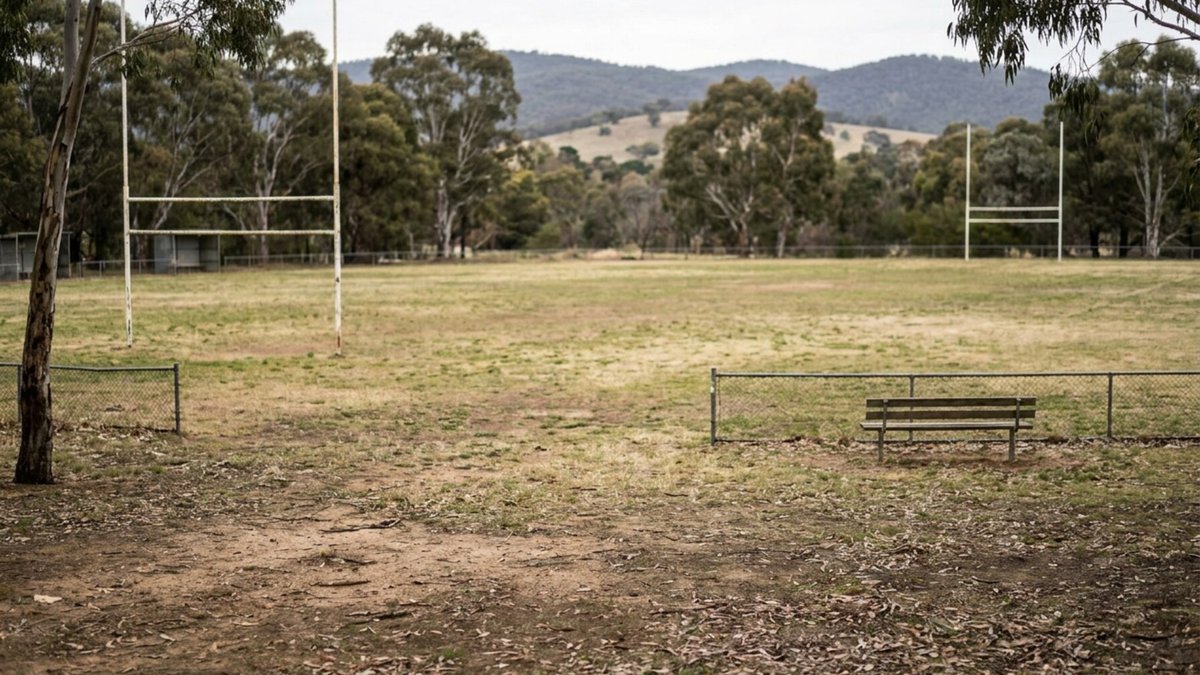
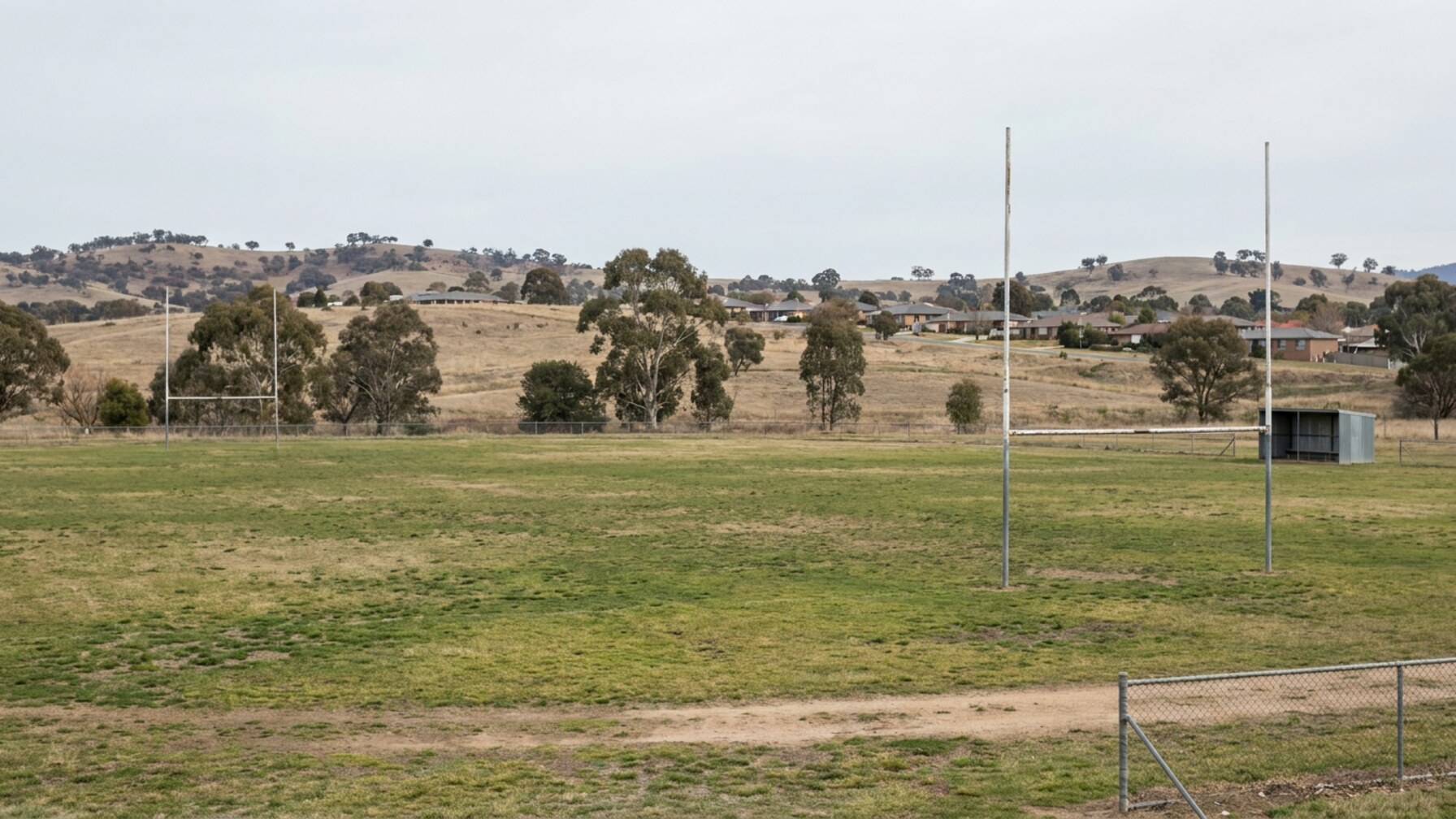
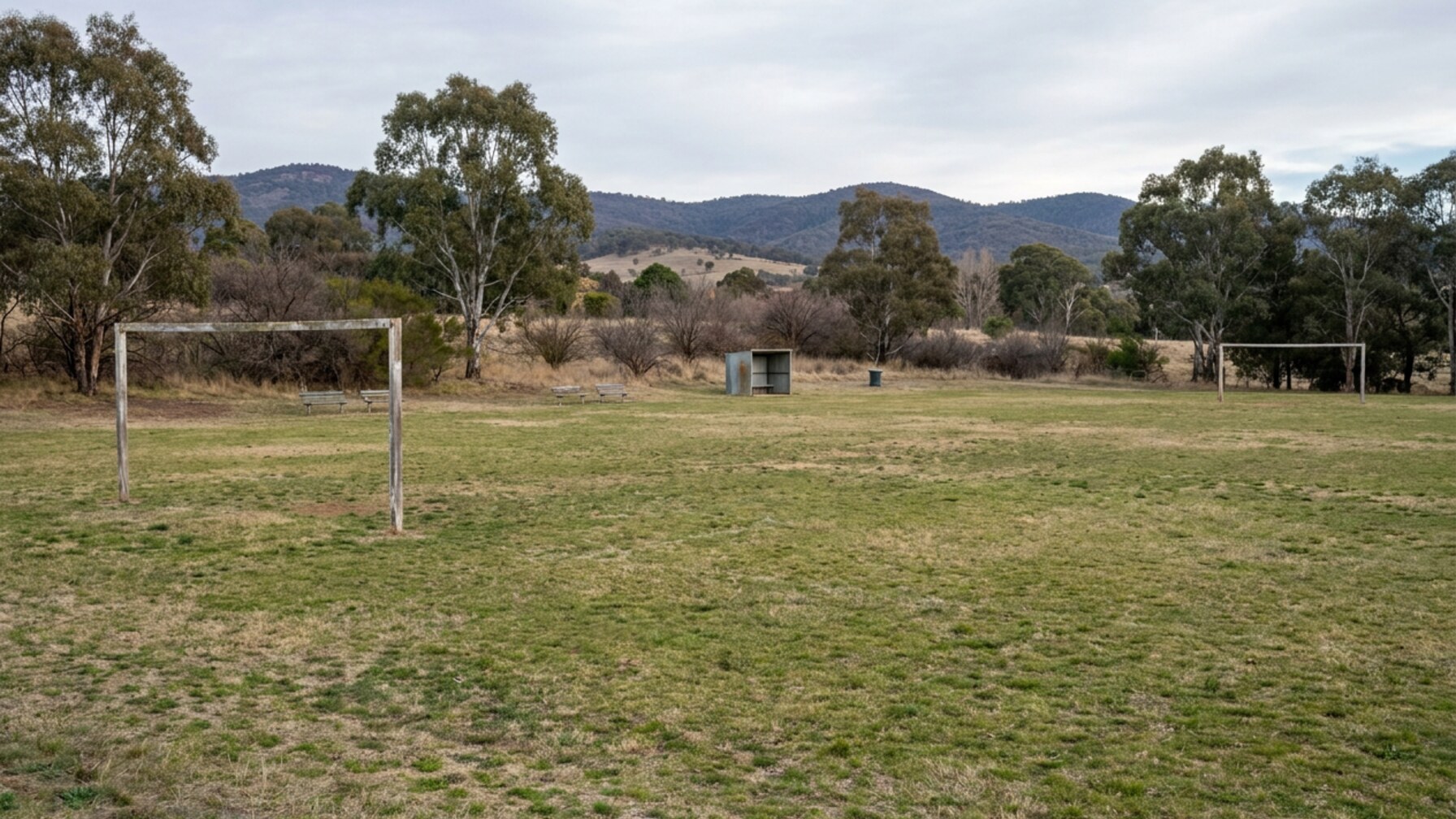
Canberra’s community sports leagues are facing a growing bottleneck as local infrastructure struggles to accommodate a significant uptick in participation. While elite stadiums occupy the headlines, the day-to-day pressure is falling on the suburban parks and multipurpose indoor centers that serve as the backbone for thousands of local athletes. Maintenance cycles are being stretched to their breaking point, and with the city’s population continuing to grow, the gap between available field time and league requirements is widening.
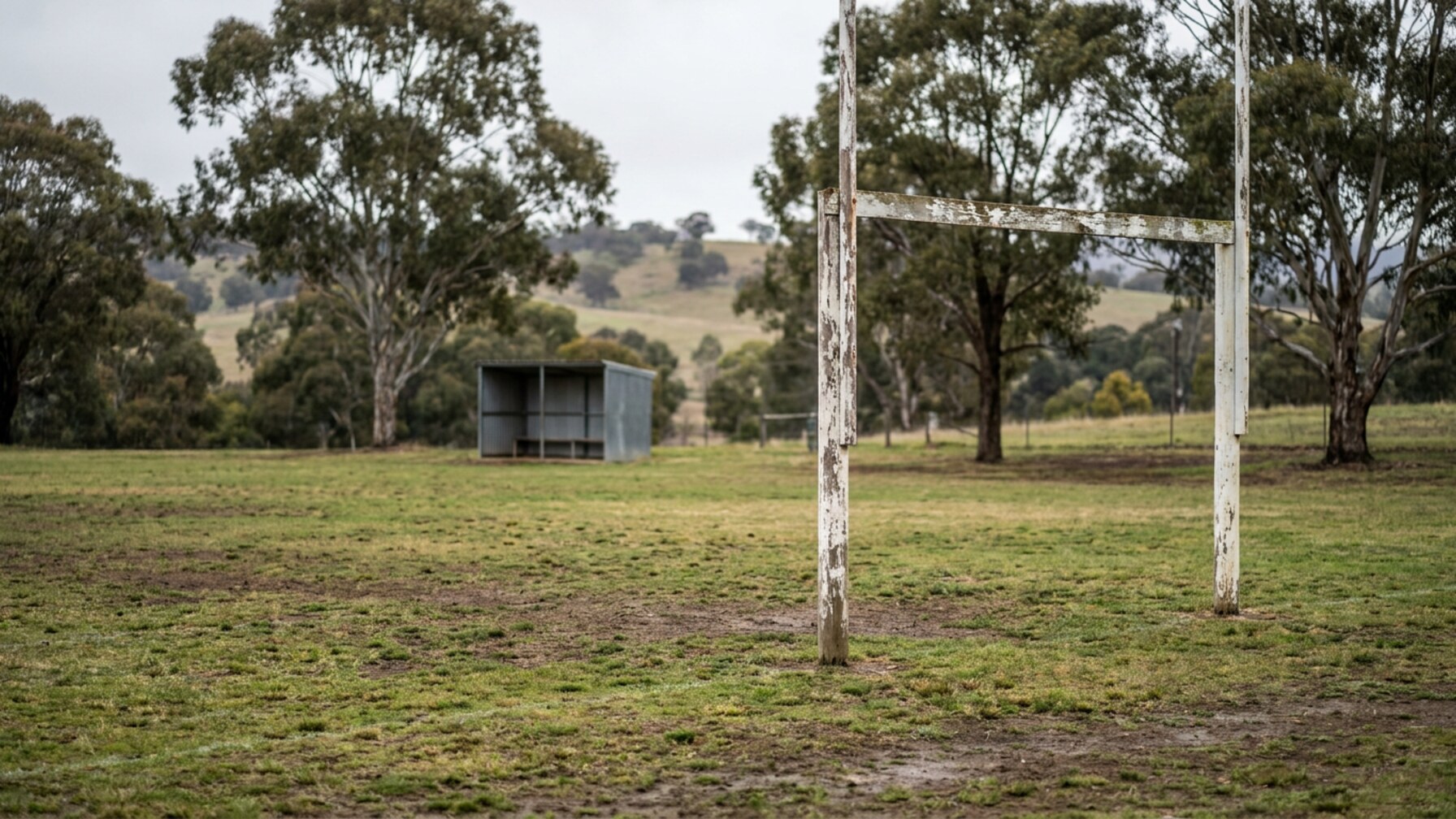
The core issue lies in the wear and tear of existing public amenities. Many of the outdoor pitches and community courts currently in use rely on legacy systems that were designed for lower participation volumes. Recent industry reports highlight that the high-carbon legacy of older steel-based construction in regional infrastructure projects is now being reconsidered in favor of more sustainable, modern alternatives. This transition is not just about environmental standards; it is about extending the lifespan of the assets that community leagues rely on each weekend.
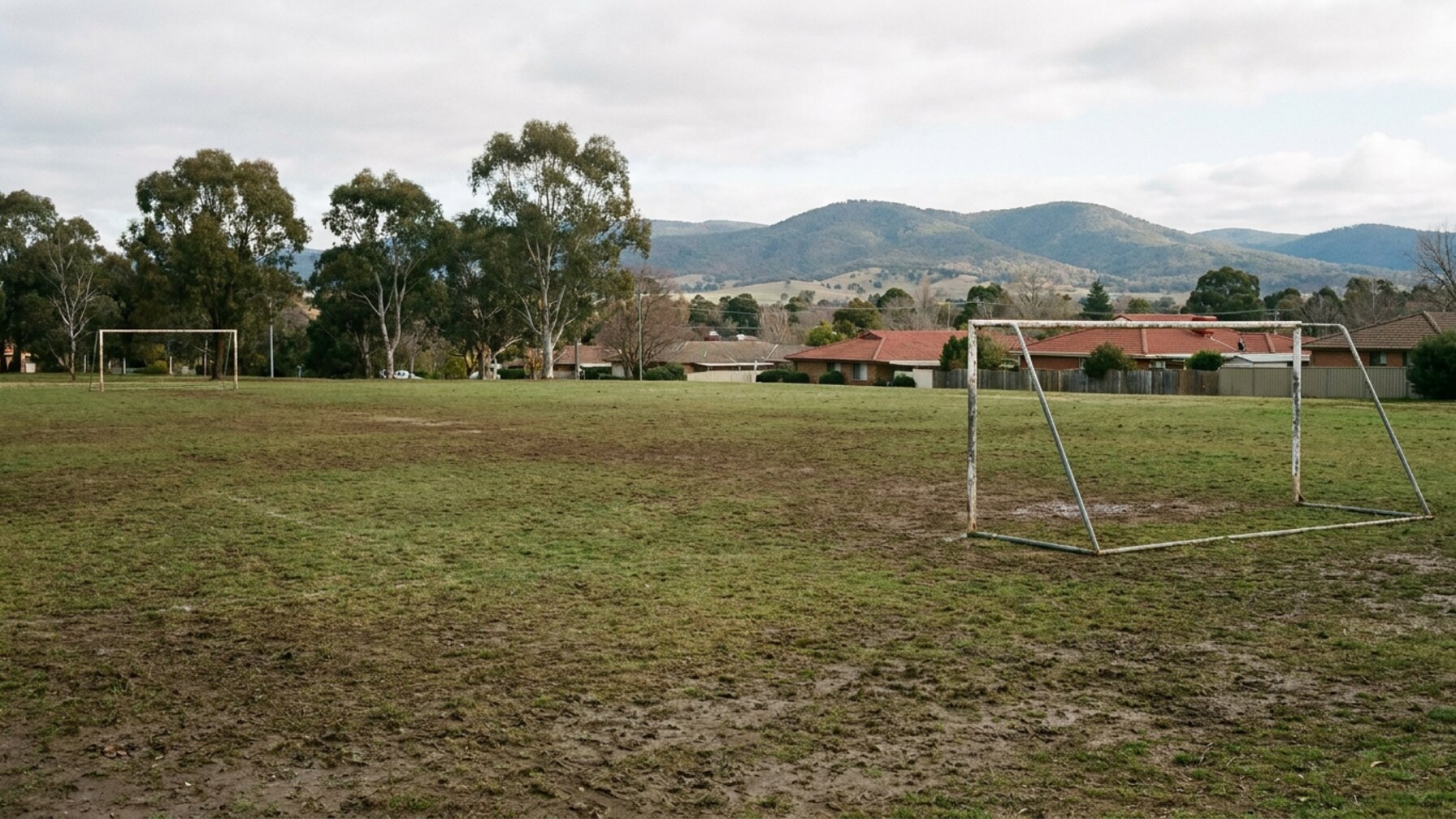
The scheduling of local competitions has become a logistical exercise in compromise. With limited floodlighting and synthetic surface availability, leagues are seeing longer wait times for bookings. This creates a ripple effect, where the quality of the playing surface degrades faster due to overuse, necessitating more frequent and costly repairs. The struggle to secure consistent, high-quality venue time is currently affecting everything from junior leagues to masters programs.
Funding for upgrades remains the primary hurdle for the ACT’s municipal departments. When facilities do receive attention, the shift toward sustainable materials-such as low-carbon steel-has been flagged as a priority for future developments, particularly as the region aligns with broader national goals for sustainable industrial growth. However, the upfront cost of transitioning these assets continues to impact project timelines across the territory.
For the average community athlete, the reality is a season defined by rotating venues and inconsistent field conditions. Local sporting organizations are being encouraged to work more closely with regional planning committees to prioritize maintenance over new developments. As the city looks to balance the demands of elite events with the needs of local clubs, the path forward will likely involve a combination of private-public partnerships and a renewed focus on climate-resilient construction to ensure that the fields used by the community remain accessible throughout the year.
Sport
Sport
Sport
Sport

Sport
Sport
About this article
Published by The Daily Canberra
Spread the word
Daily brief
Free, in your inbox before 7am. Weekdays.
The Daily Network — local news across Australia