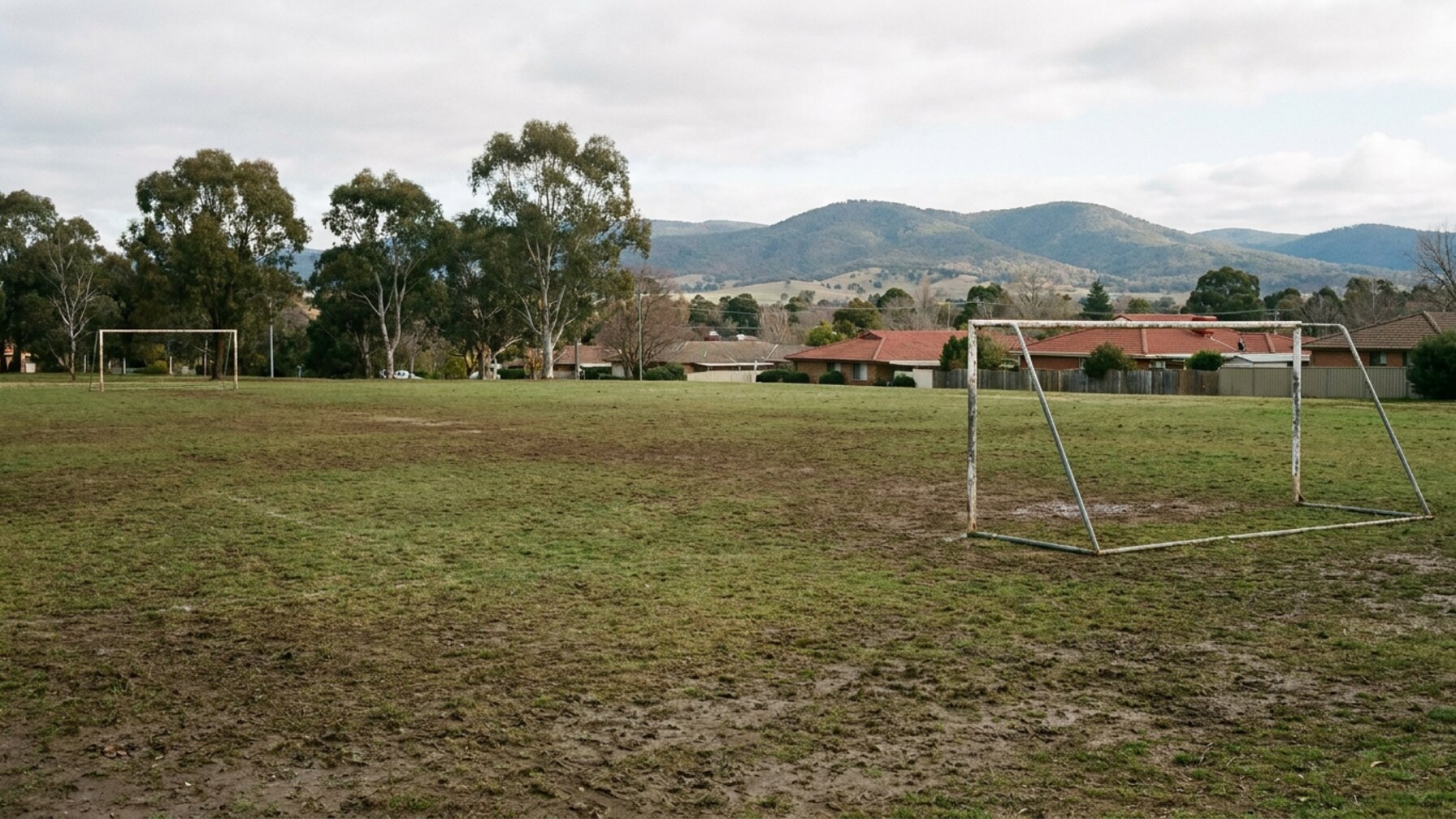
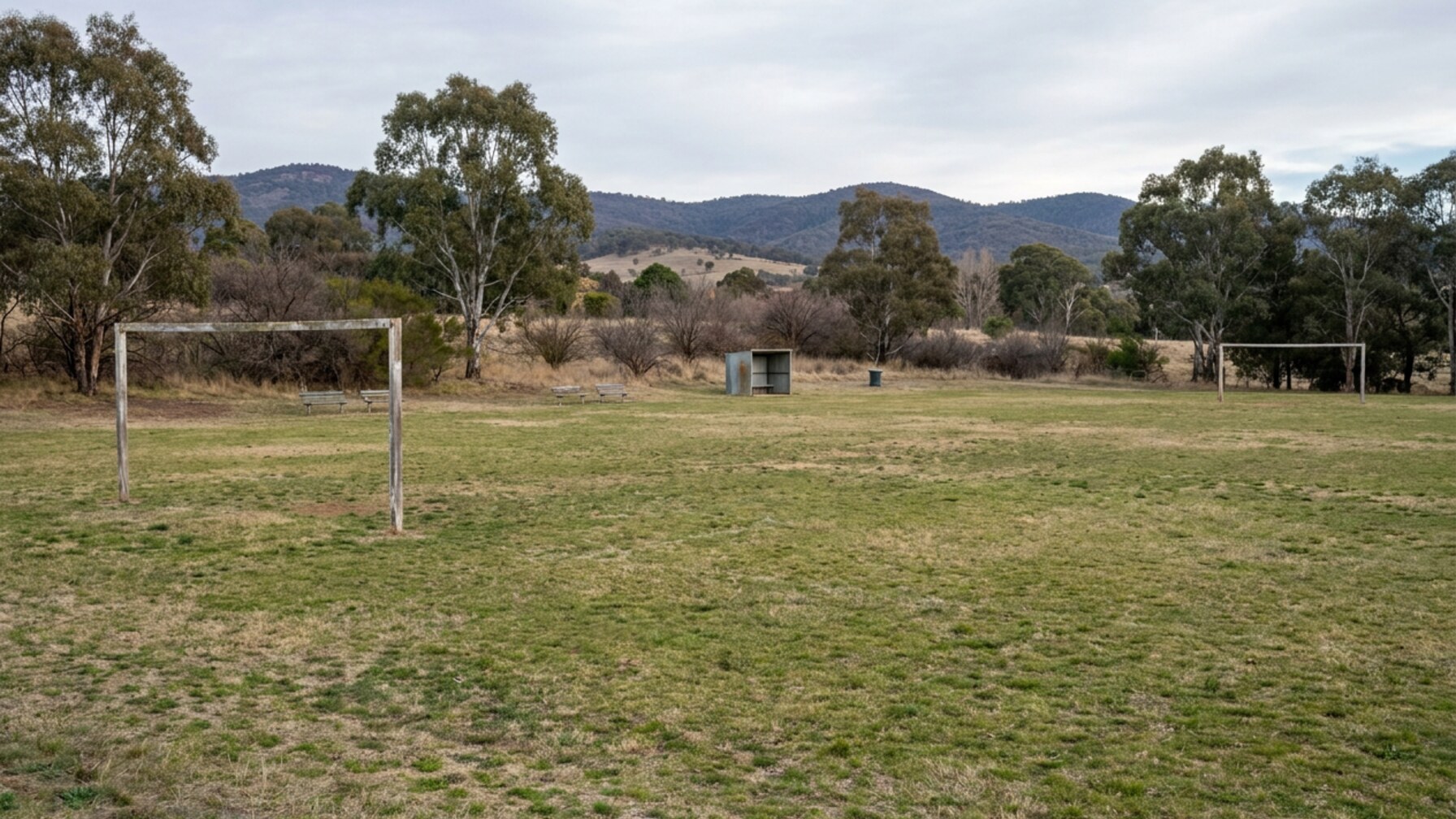
On any given Tuesday evening, the floodlights at the ANU Sport and Recreation Centre flicker to life as two dozen players from the Canberra City Basketball Club split into shooting drills. It is a scene replicated across the capital, from the synthetic pitches at the AIS to the netball courts at the Belconnen Netball Centre, but one that has taken on new significance in 2026.
The club's president, who asked to be identified only by her first name, Emily, said registration numbers have jumped 18 per cent since the start of the year. 'We are turning people away from our under-12s program,' she told The Daily Canberra. 'It is not about producing the next NBA star. It is about giving kids and adults a place to belong.'
Surge in participation driven by social connection
The spike in community sport comes as the city emerges from a period of disrupted competition schedules and lingering caution around large gatherings. At the Queanbeyan and District Netball Association, which draws players from both sides of the border, registrations for its Saturday morning social competition have risen by 22 per cent compared with 2024 figures, according to association secretary Mark Treloar.
'People are desperate for something that feels normal,' Treloar said. 'They want to catch up with friends, get some exercise, and be part of something bigger than themselves.'
The pattern is not limited to traditional hubs. At the Tuggeranong Valley Rugby Union Club, which fields teams from under-14s through to seniors, membership has climbed by 15 per cent year-on-year. Club captain James Harding said many new players had never picked up a rugby ball before joining. 'They come for the social side, but they stay because they find a community that supports them,' he said.
Clubs pivot to inclusive programming
In response to growing demand, several clubs have introduced new programs. The Canberra City Basketball Club now runs a 'Come and Try' session every Saturday morning at the ANU facilities, costing $10 per person. The initiative is aimed at adults who have not played organised sport in years. Emily said the sessions have been so popular that the club is considering adding a second weekly slot.
Similarly, the Belconnen Netball Centre launched a walking netball program in April for older adults and those returning from injury. The modified game, played at a slower pace and without jumping, has attracted 45 participants in its first three months, according to centre manager Lisa Nguyen.
These developments align with broader trends in Australian sport. While the recent World Cup semi-final between Spain and France dominated national headlines, and the Tour de France captivated cycling fans, the quiet growth at the grassroots level suggests a shift in how Canberrans value sport, less as a spectacle and more as a daily anchor for community cohesion.
For clubs facing rising facility hire costs and volunteer burn-out, the challenge now is maintaining that momentum. Emily said her club is already planning a fund-raiser for October to upgrade lighting at its outdoor courts. 'We have the people,' she said. 'Now we need to make sure we have the infrastructure to keep them.'
For anyone interested in joining, club websites and the ACT Sport and Recreation Services page list upcoming 'Come and Try' dates. The waiting lists, however, are growing.