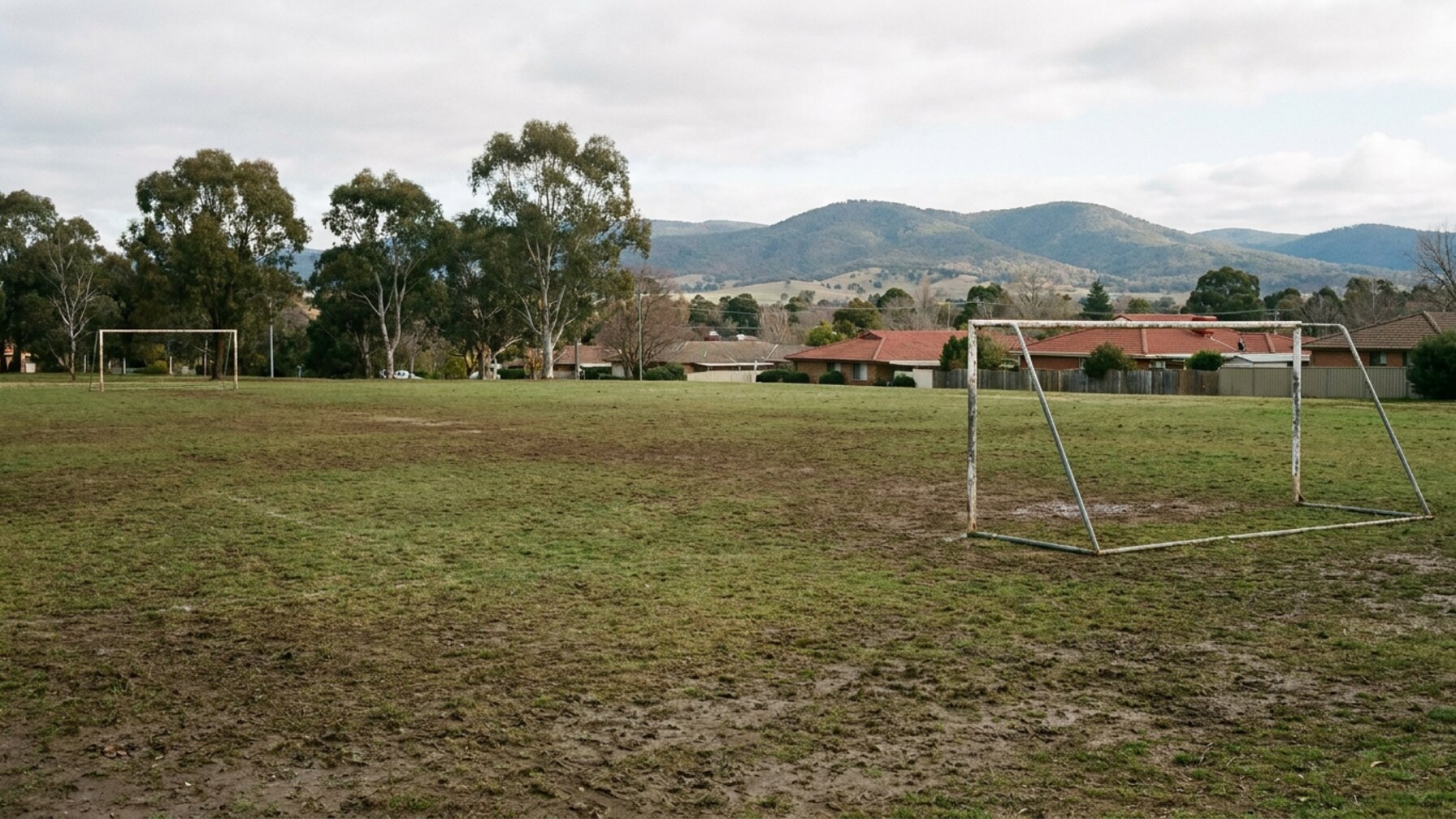
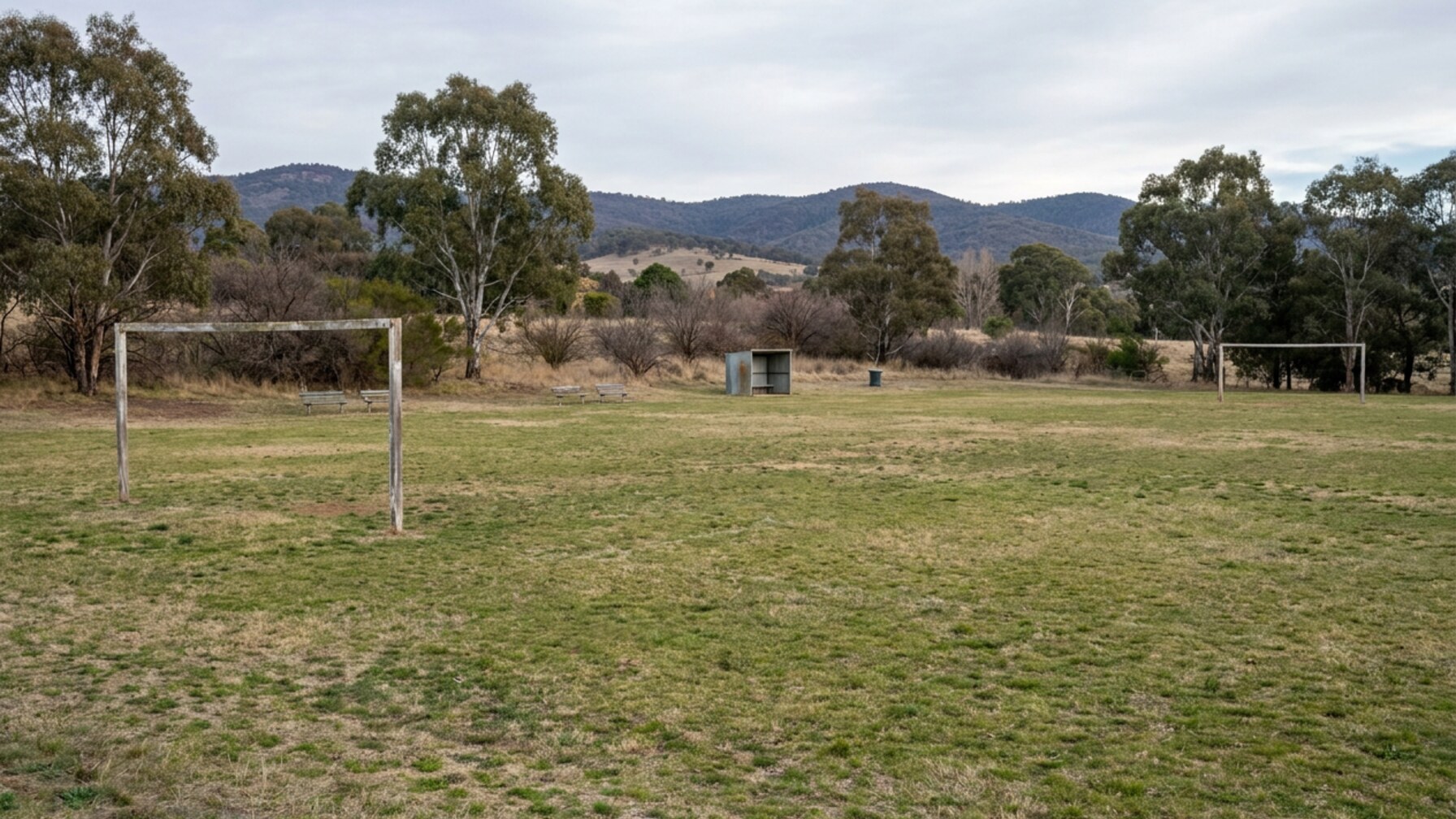
Fewer Canberra teenagers are signing up for school athletics this year, according to registration figures obtained by The Daily Canberra from three of the city’s largest public high schools. Combined numbers for track and field, cross country and inter-school carnivals have fallen roughly 12 per cent since 2023, a trend that coaches and physical education teachers describe as a quiet but persistent shift in how young people spend their spare time.
The data covers Term 1 and Term 2 enrolments for 2026 at schools in Belconnen, Woden and the inner north. While each school’s situation varies, the overall pattern matches anecdotal reports from the ACT School Sports Association, which has noted declining interest in traditional athletics carnivals over the past three years.
What’s driving the decline?
PE teachers point to two overlapping factors. The first is competition from after-school jobs and structured academic tutoring, especially in Years 10 to 12. The second is the growing pull of individual fitness activities-gym memberships, outdoor running groups and online training programs-that don’t require a team uniform or a Tuesday-afternoon bus to a district oval.
It’s not that Canberra teenagers have stopped moving. Participation in recreational running events such as Parkrun’s local courses at Lake Burley Griffin, Tuggeranong and Gungahlin has grown steadily since 2022, according to the organisation’s ACT data. But that growth is mostly among adults. Among high school students, the shift appears to be from organised, school-led sport to informal, self-directed exercise.
The drop matters because school athletics has long been a gateway. For many students, the annual carnival is the first time they run a 400-metre race or try a long jump. Without that entry point, PE teachers say, students are less likely to discover a sport they love-and less likely to stay active into adulthood.
Where Canberra fits in the national picture
Canberra is not alone. The Australian Sports Commission’s 2025 AusPlay survey found that national participation in organised school sport among 12- to 17-year-olds has slipped by roughly 6 per cent since 2020. The ACT’s decline is steeper, possibly reflecting the city’s high proportion of dual-income families and long commute times that reduce after-school windows for transport to training.
Schools are trying to adapt. Several have introduced lunchtime “try-a-sport” sessions and shifted carnival formats to include novelty events-obstacle relays, seated throws, 100-metre walking races-aimed at students who don’t see themselves as athletes. A Woden high school told The Daily Canberra its cross-country numbers doubled last year after it replaced a compulsory 3-kilometre run with a choice of distances.
The next step is likely to involve more partnerships with local clubs. The ACT government has funded a pilot program in three schools that gives students free access to after-hours use of community sporting facilities at the AIS Arena and the Lakeside Leisure Centre in Belconnen. Early feedback from teachers is positive, but no system-wide rollout has been announced.
For parents and students wondering what to do next, the advice from PE teachers is simple: try something, anything, that gets you outside and moving. The school carnival may be shrinking, but Canberra still has plenty of tracks, ovals and bush trails-and a fitness culture that’s quietly evolving, even if the numbers aren’t yet heading back up.