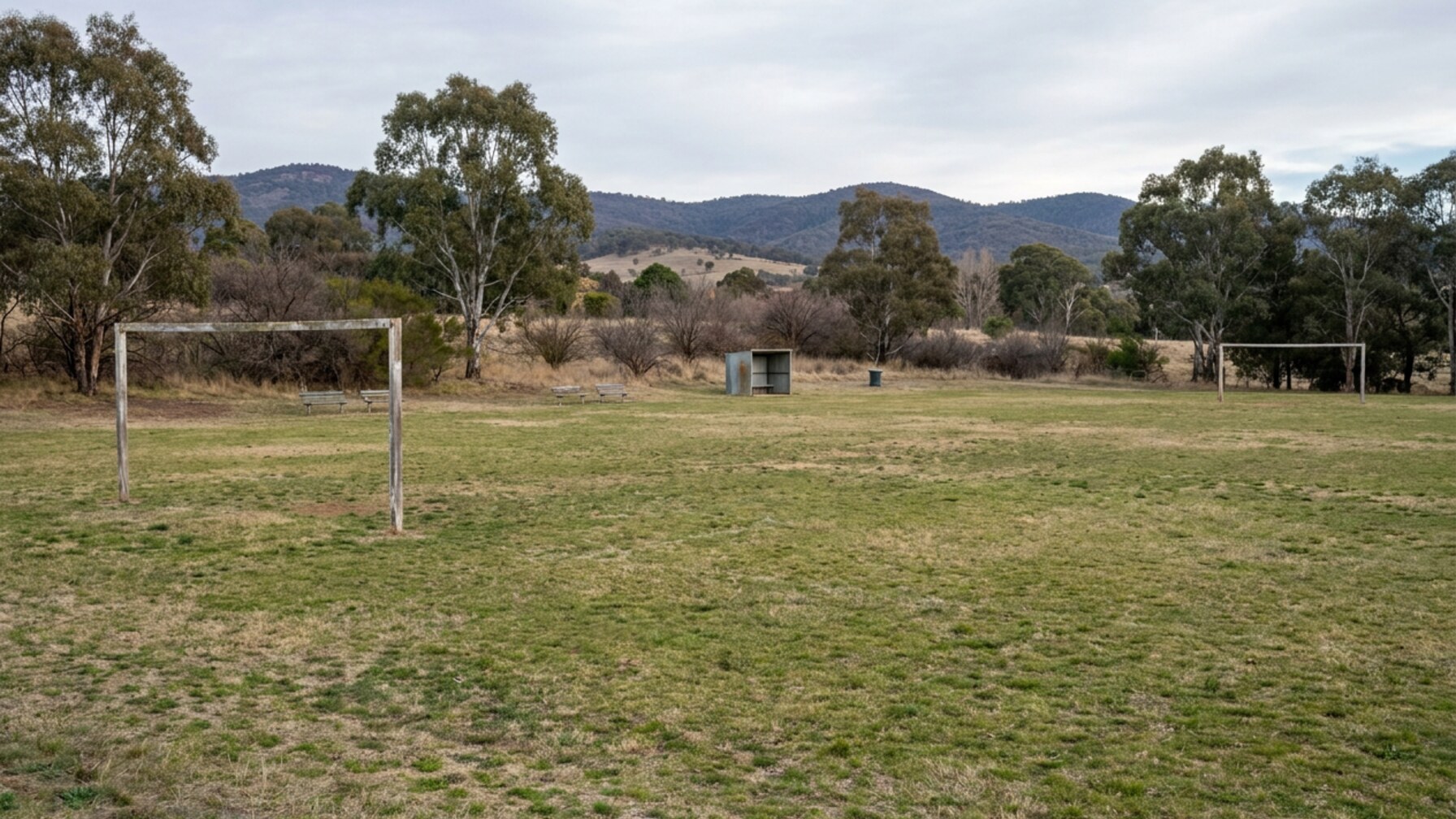
While the world's eyes are fixed on World Cup 2026 semi-finals and Wimbledon's junior championships, Canberra's local sports clubs are quietly demonstrating that the heart of the game beats strongest at the grassroots level.
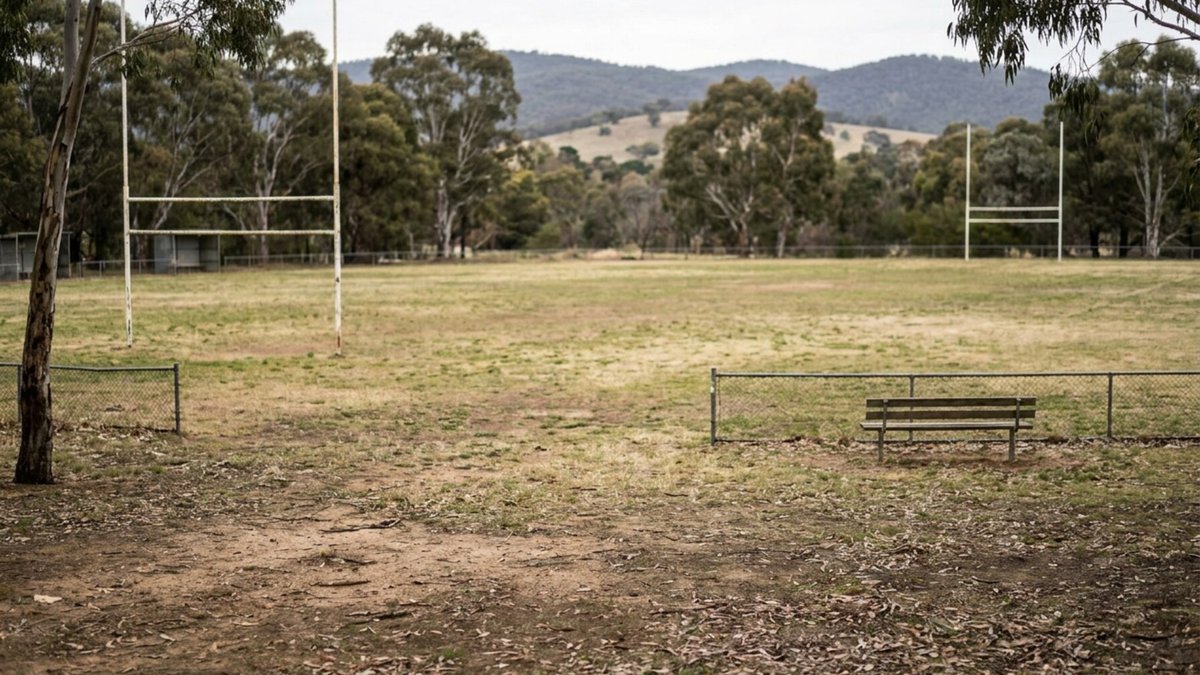
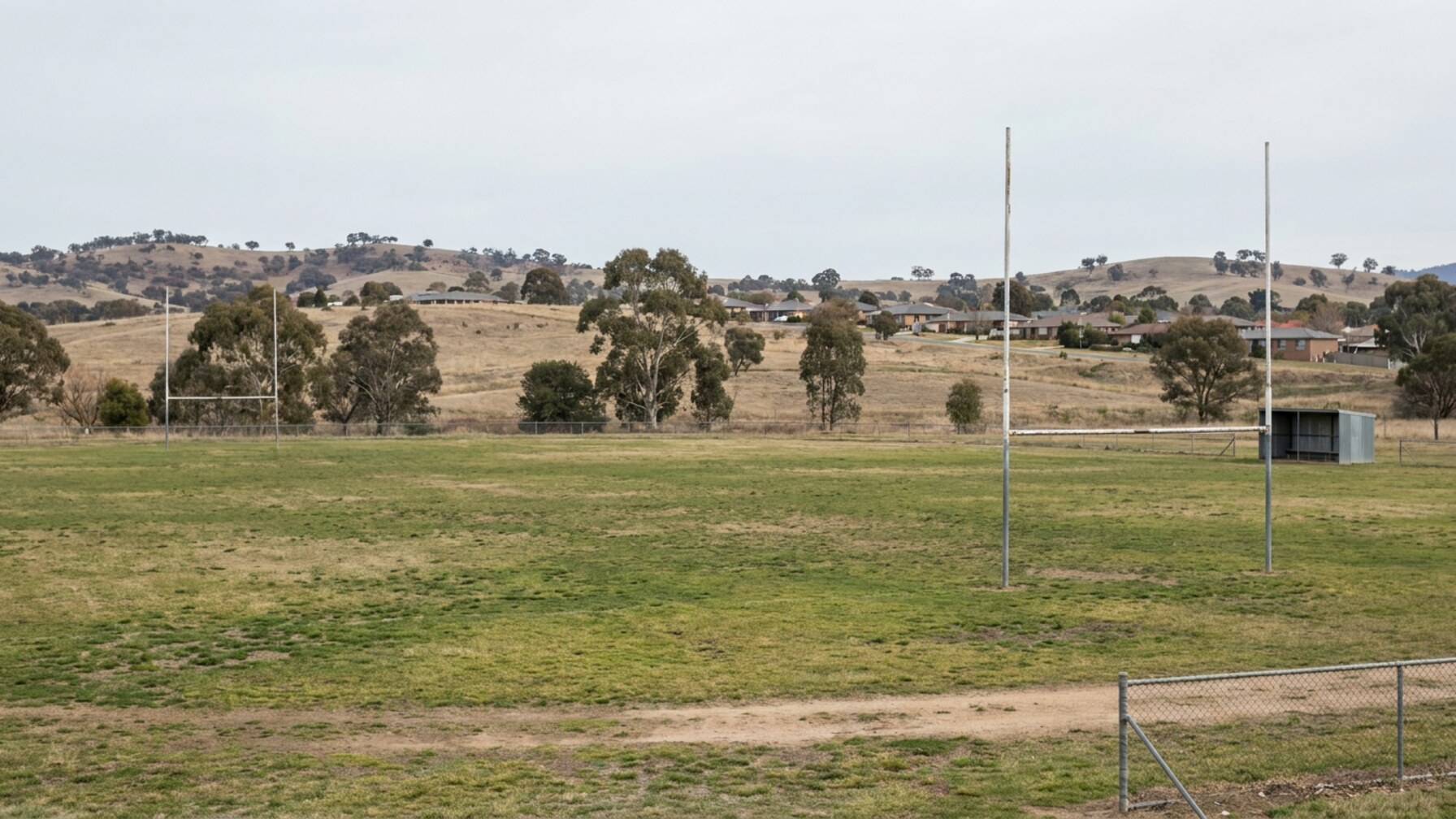
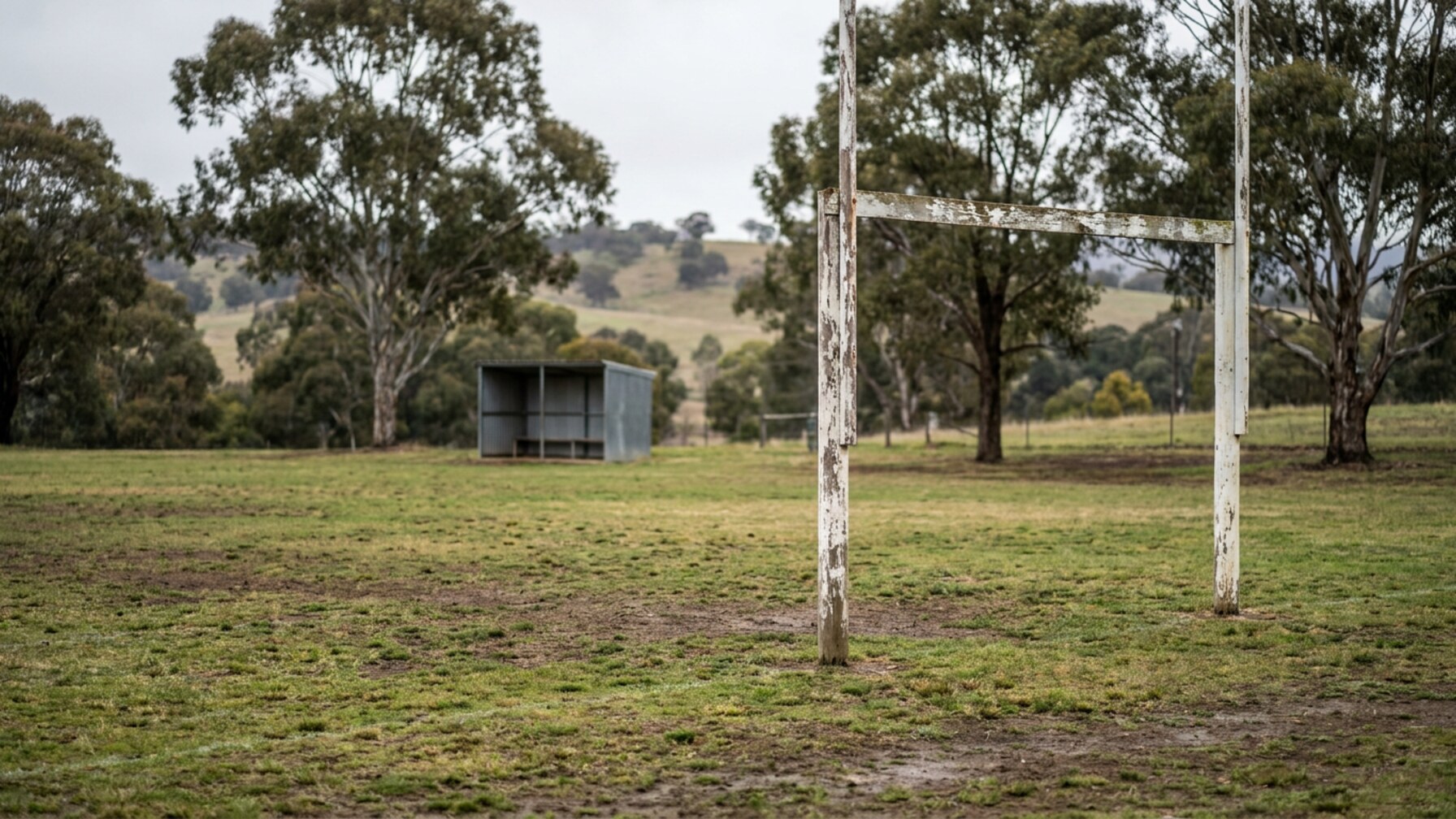
From the ovals of Belconnen to the courts of Tuggeranong, clubs across the capital are reporting surging participation numbers and deeper community engagement-even as many operate from ageing facilities that city planners have long promised to upgrade.
More than just a game
The trend is particularly visible in Canberra's northern suburbs. The Gungahlin Eagles Rugby Union Club, for instance, has seen its junior membership grow by more than 20% over the past two seasons, according to club officials. Parents cite the inclusive culture and volunteer-run coaching programs, not the changing rooms, as the primary drawcard.
That sentiment echoes findings from a 2025 ACT Government sport and recreation survey, which showed that 78% of Canberra families value a club's community atmosphere over the quality of its physical infrastructure when deciding where to register their children. The data underscores a broader shift: thriving clubs are those investing in people, not just concrete.
Facilities catch up, slowly
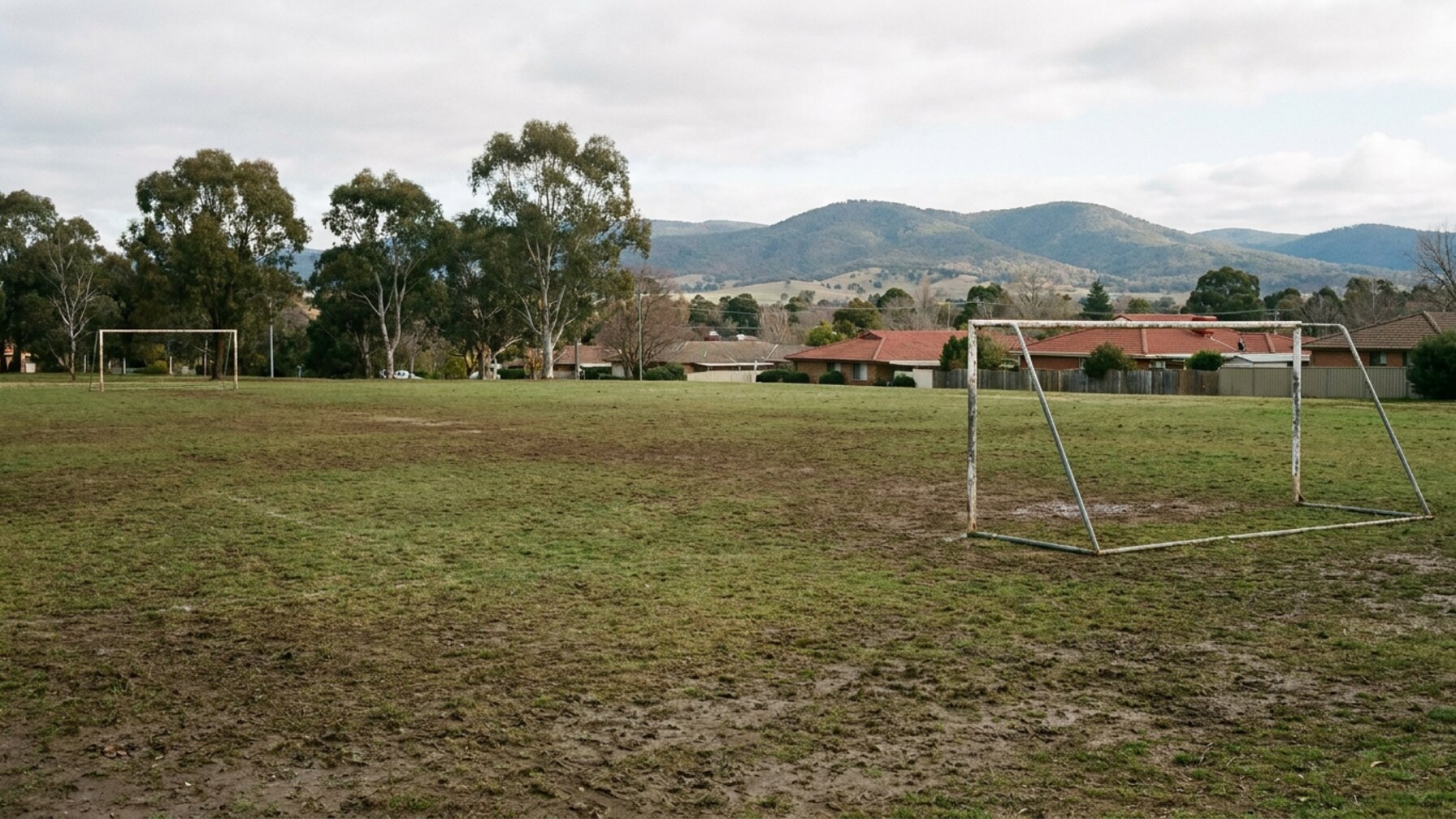
The ACT Government's $25 million Local Sports Infrastructure Fund, announced in the 2024-25 budget, has begun trickling down. But many clubs say the process is too slow. At the Phillip Oval complex, home to the Woden Valley Soccer Club, players have trained on fields that flood after moderate rain. The club's president told The Daily Canberra last month that without a proper drainage upgrade, the club risks losing its growing female participation program.
Meanwhile, the Queanbeyan Showground-just across the border but a key venue for Canberra-based netball and AFL clubs-received a $3.2 million upgrade in early 2026, paid for by the NSW Government. The new lights and all-weather courts have already allowed the Queanbeyan Netball Association to extend its playing season by six weeks.
For clubs waiting on infrastructure, the message from Sport Canberra, the city's peak sporting body, is clear: keep doing what you're doing. Community engagement, volunteer retention, and inclusive programming are the metrics that unlock grants, not just petitions for new grandstands.
As the school holidays wind down and winter sports hit the finals run, Canberra's clubs are gearing up for their biggest test-not on the scoreboard, but in proving that sport can bind a city together, one training session at a time.