Canberra's network of sporting venues came under the spotlight this weekend as the city played host to everything from AFL fixtures to junior athletics meets, a reminder that the capital’s infrastructure, while not always headline-grabbing, continues to support a remarkably broad sports calendar.
The weekend kicked off on Saturday with a GWS Giants AFL match at Manuka Oval, where the Giants saved their best for the best, according to one Guardian analysis, to show they are capable of a deep finals run. The oval, a 13,550-seat venue in the suburb of Griffith, is the Giants' secondary home ground and draws crowds that regularly exceed 10,000 for key matches. The game underlined how Canberra relies on a single major outdoor stadium to host top-tier national league competition, a pressure that ground staff and local officials have managed without major incident this season.
Arena upgrades and junior pathways
Across town at the AIS Arena in Bruce, the weekend saw the tail end of a two-day junior basketball tournament. The 5,200-seat indoor venue, originally built for the 1980 Moscow Olympics boycott alternative, underwent a major $15 million refurbishment completed in 2023. That upgrade included new seating, lighting and player amenities, improvements that locals say have made it more attractive for national-level junior competitions. The arena is now booked most weekends through to November, according to the AIS's public calendar, hosting everything from netball trials to fencing camps.
The AIS itself, headquartered in Bruce, remains a key asset. While the federal government-funded institute no longer runs its own elite athlete programs on the scale of the 1980s and 1990s, its facilities, including the newer AIS Aquatics Centre and the track-and-field warm-up area, are used by local clubs and visiting national teams. The aquatics centre, opened in 2018, hosted a regional swimming carnival on Sunday morning, with around 400 competitors from the Canberra, Queanbeyan and Southern Tablelands clubs.
Grassroots grounds under pressure
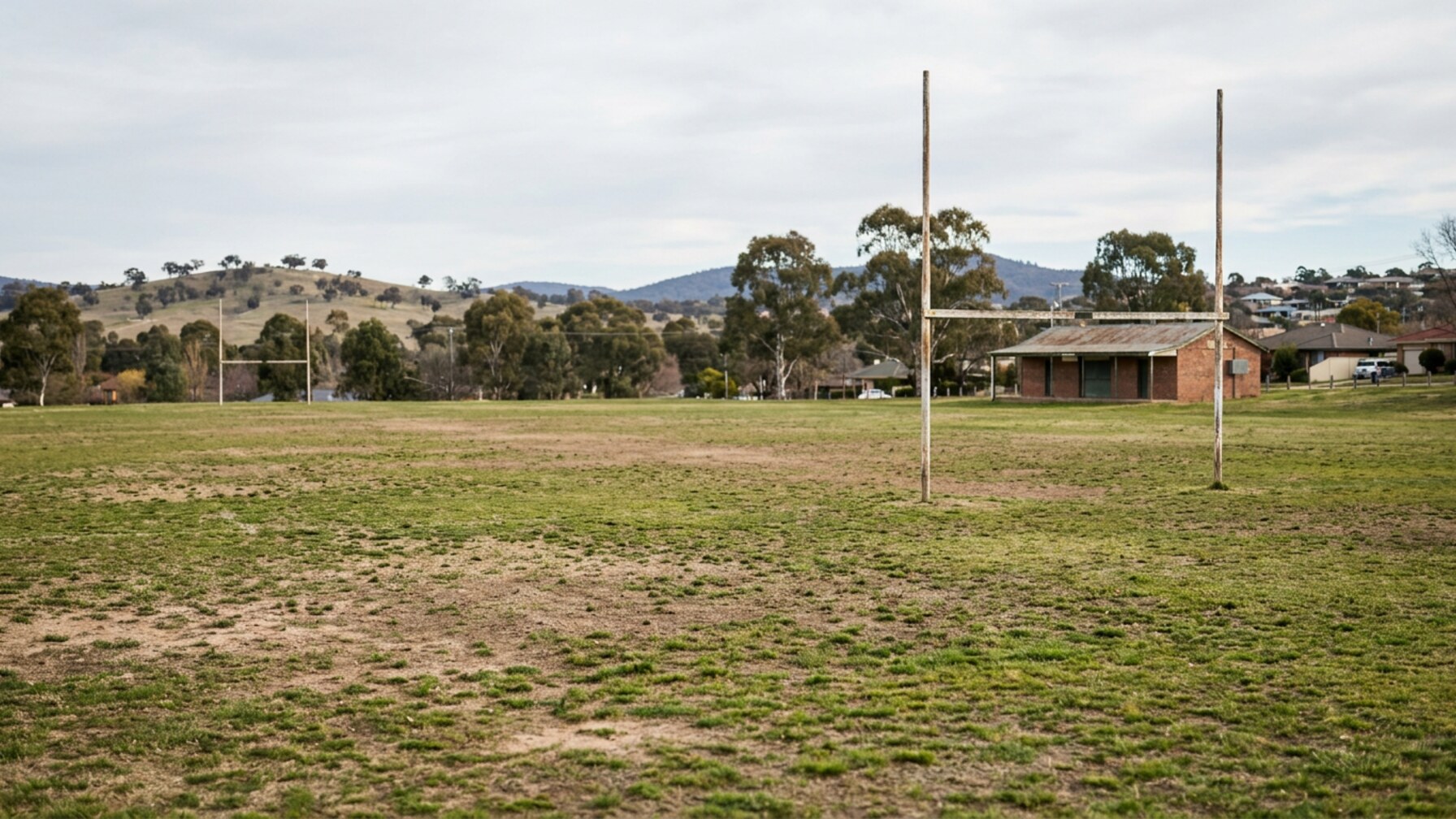
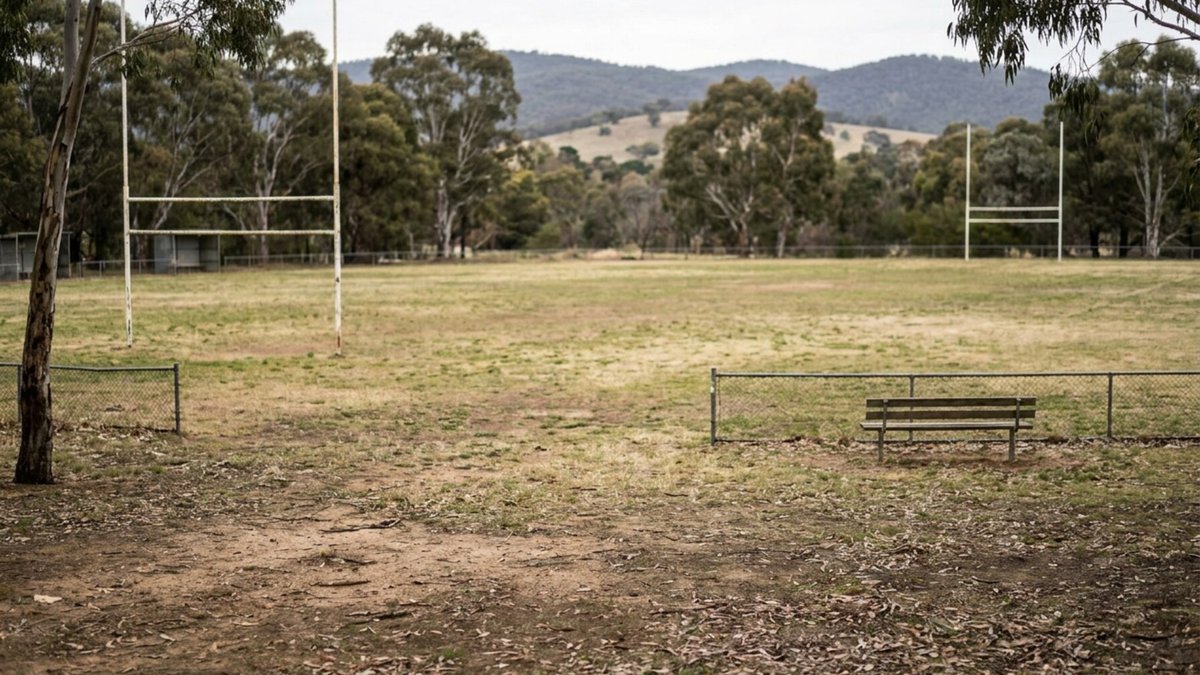
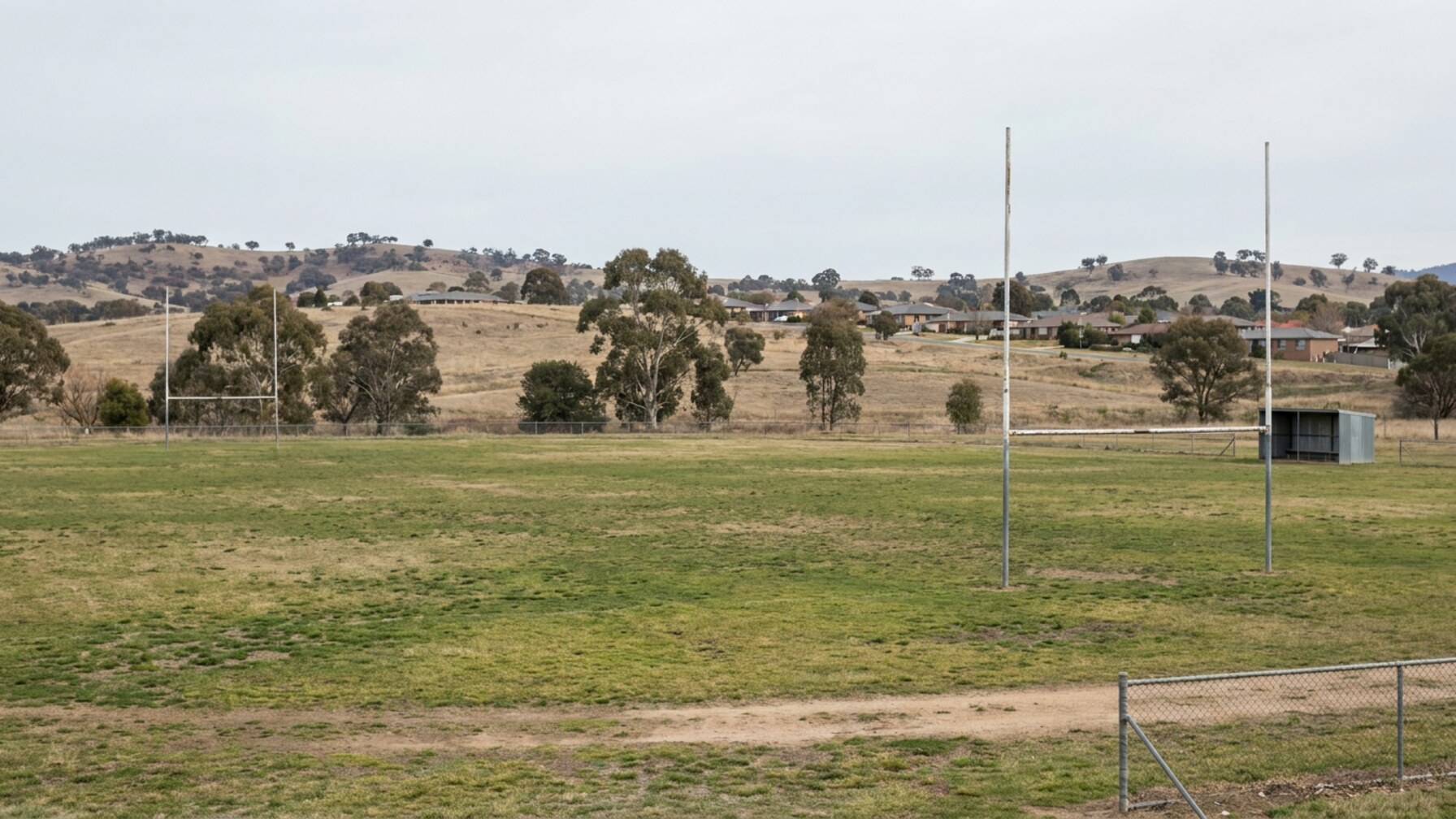
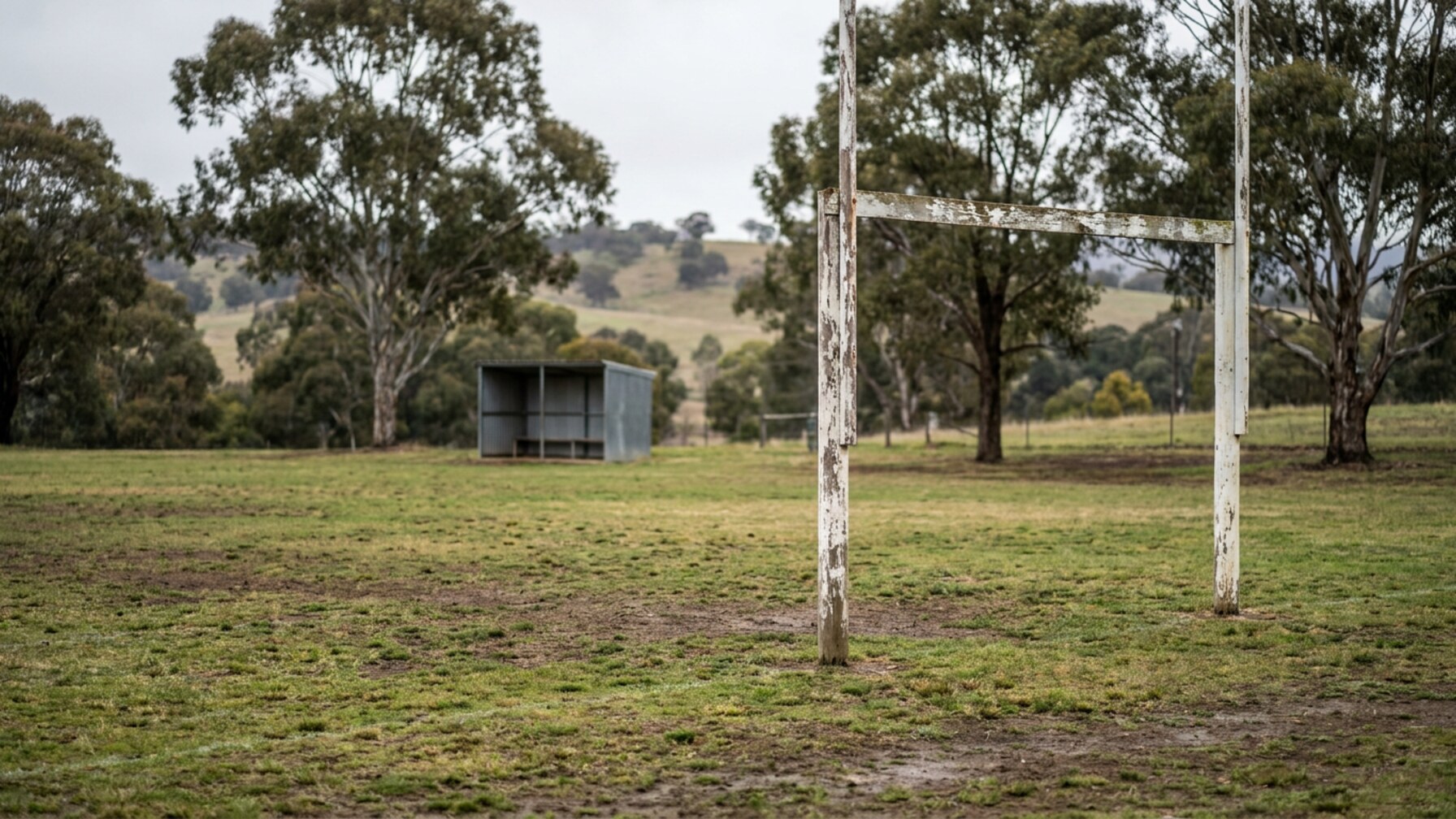
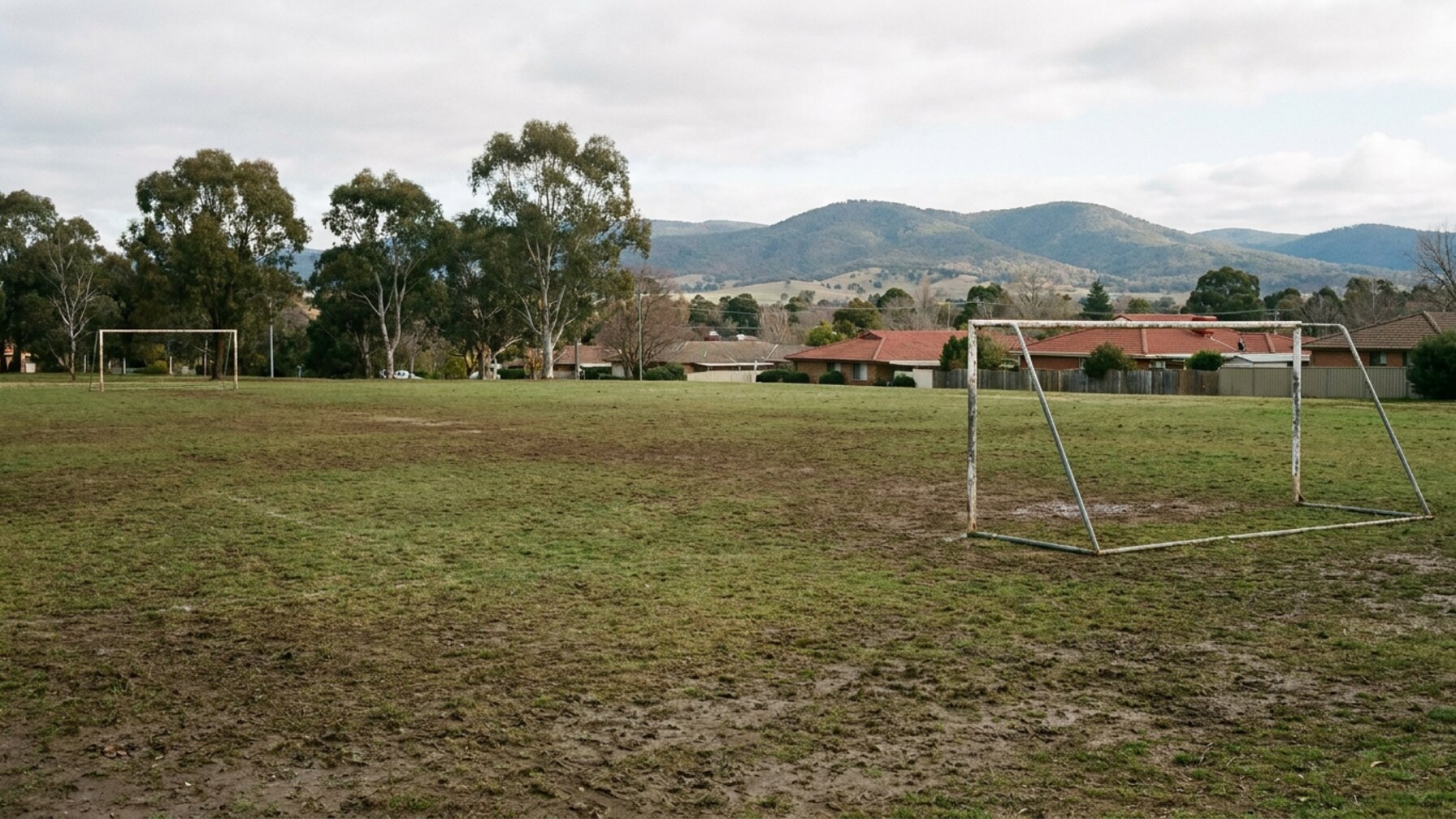
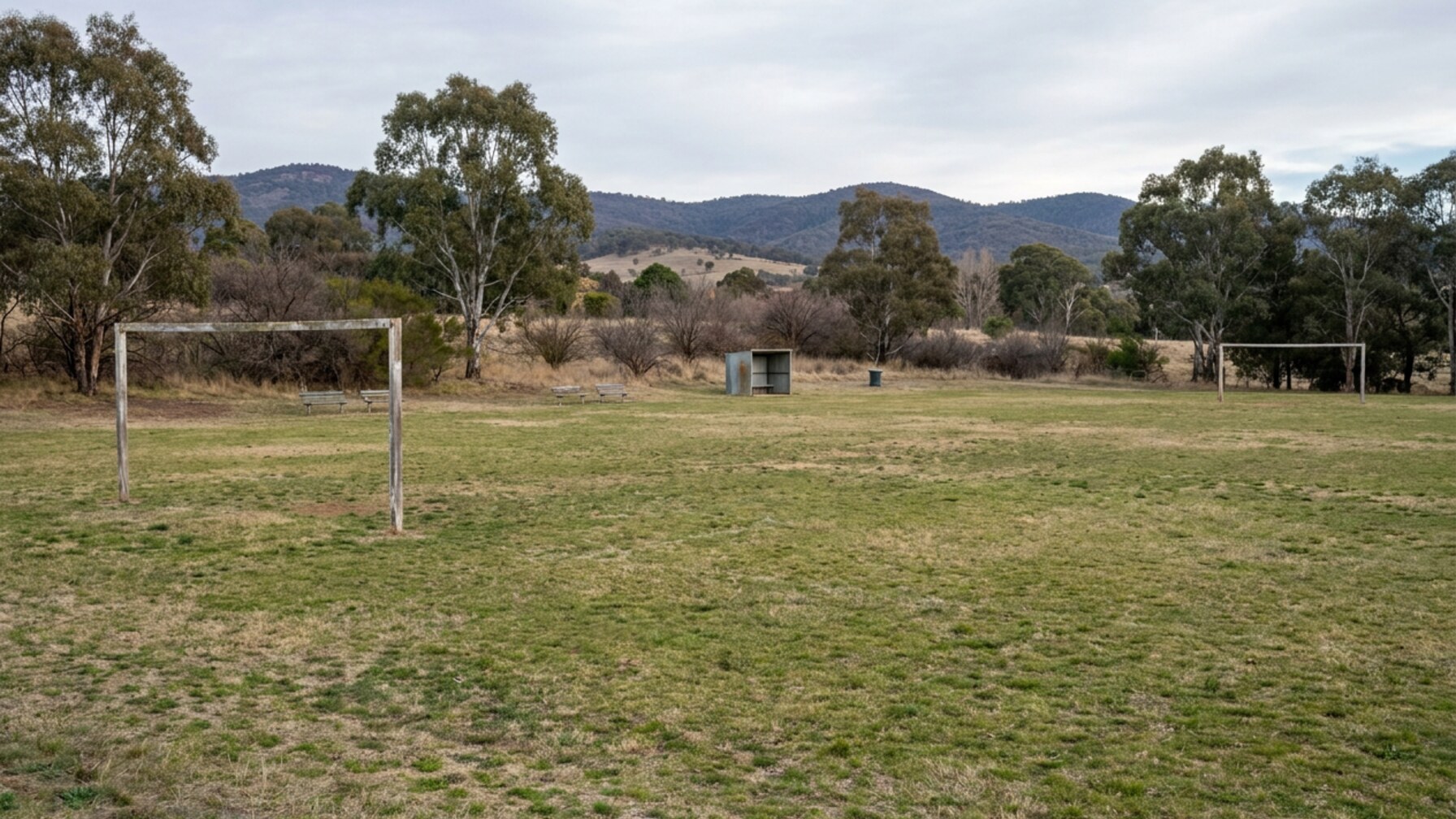
Not all of Canberra's sporting infrastructure is gleaming. On Sunday afternoon, the playing fields at the University of Canberra in Belconnen were packed with junior rugby league and soccer teams. The university's grass pitches, while well-kept, lack the floodlights and under-soil drainage of more modern suburban facilities. Coaches and parents have for years called for upgrades, but no major funding announcement has been made by either the ACT government or the university. The fields remain heavily booked, with some clubs reporting waits of up to three weeks to secure a weekend slot.
The ACT government's 2024-25 budget allocated $12.5 million for community sports infrastructure across the territory, including $3 million for upgrades to ovals in Gungahlin and Tuggeranong. Those projects are due for completion by mid-2027. In the meantime, local clubs continue to juggle schedules and share grounds, a common story in a city where population growth has outpaced facility expansion.
For Canberra's sport lovers, the weekend's results were a mixed bag, the Giants won, the basketball tournament crowned a champion from the local academy, and the junior rugby league saw upsets. But the underlying story was how the city's venues, old and new, make it all possible. The next major test will come in August, when Manuka Oval hosts a sold-out international rugby league test between Australia and New Zealand. That match will put the ground's capacity and crowd-management systems under fresh scrutiny. For now, the facilities have passed a quieter but equally important test: another weekend of sport, delivered without a hitch.