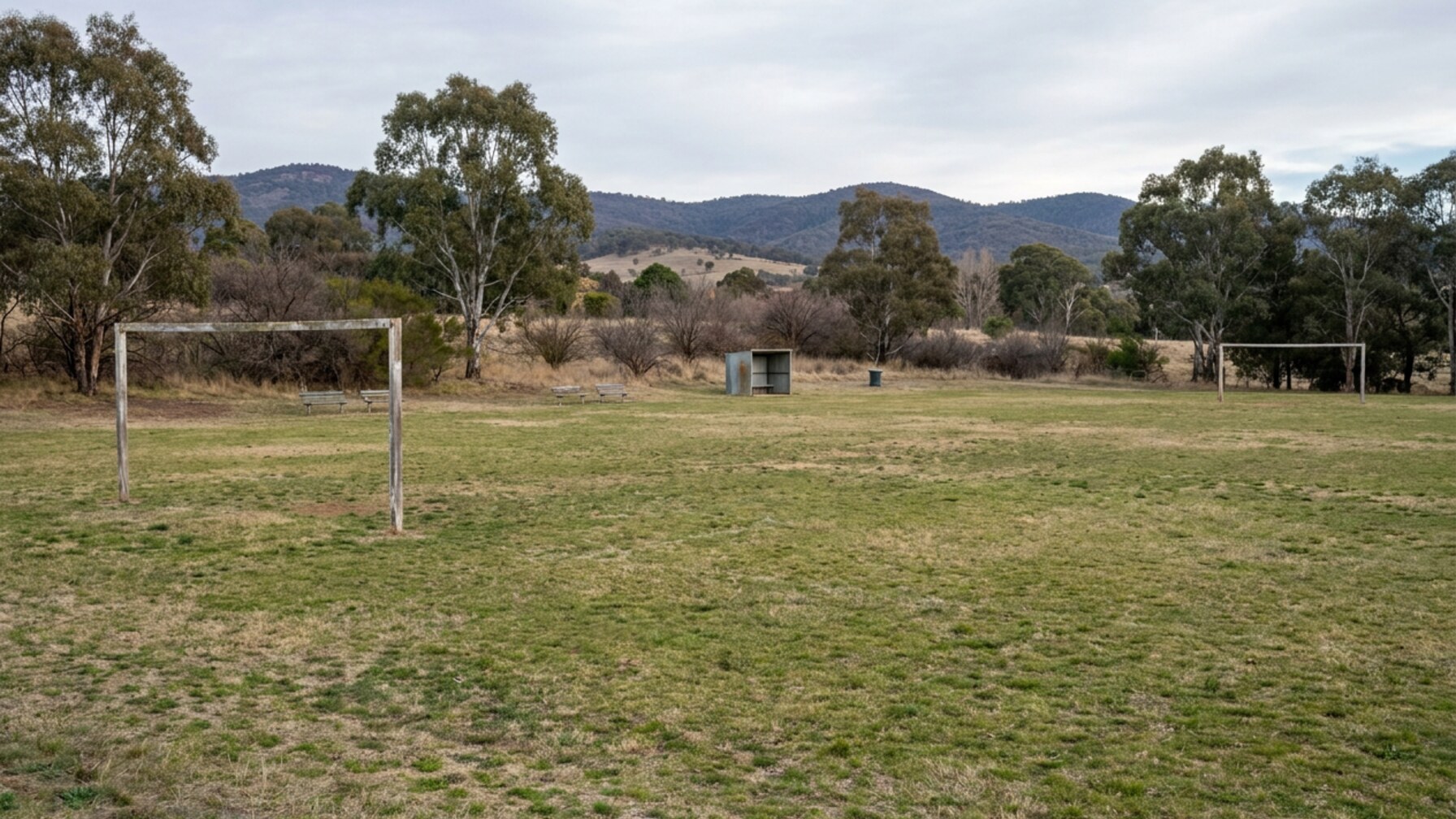
New participation figures released by Sport Canberra this week show that college-aged athletes in the capital are still signing up in strong numbers, but the data raises questions about the long-term health of team-based sport in the city.
The survey, which tracked registration data from 2023 to the first half of 2026, found that overall participation in organised sport among 16- to 19-year-olds remained above 62 percent. That figure is in line with the national average for similar demographics. But the breakdown by sport tells a more nuanced story.
Rugby union and netball both saw small declines, dropping around 3 percent each over the period. Soccer and Australian Rules football held roughly steady. The big winners were individual fitness activities: gym memberships among college students in Canberra rose by 11 percent, while cycling and running clubs reported a combined increase of 7 percent.
Where the numbers came from and what they mean
Sport Canberra compiled the data from eight local governing bodies and two major university sports departments, including the University of Canberra and the Australian National University. The figures were gathered via club returns, online registration systems, and a voluntary postal survey sent to 4,500 households in the ACT region. The margin of error is approximately 2.5 percent.
The shift away from team sport and toward individual exercise mirrors a broader national trend, but it has particular implications for Canberra. Unlike coastal cities such as Brisbane or Sydney, where population density makes it easier to field multiple teams in the same sport, Canberra's smaller talent pool means that even modest registration drops can force clubs to merge age divisions or cancel lower-graded competitions.
“If you lose half a dozen kids from the under-18s in a given code, that can be the difference between running two teams or running one,” said Greg Thomas, a senior participation officer at Sport Canberra who oversaw the data collection. “In a city of this size, every registration matters.”
What happens next
The organisation says it will use the data to target investment in team sports that are losing ground. It has already begun a pilot program offering discounted club memberships to students at Canberra College and Lake Ginninderra College in an attempt to reverse the decline.
For now, the message from Sport Canberra is clear: the city's fitness culture is alive and well, but the way young people choose to get active is changing. Whether the capital's traditional club sports can adapt will depend on the next wave of registration data due out in early 2027.