Sport
Grassroots story behind the community sport movement
Volunteers drive participation across Canberra clubs where local teams draw strength from neighborhood programs rather than elite pathways.
2 min read
Updated 7 h ago
Sport
Volunteers drive participation across Canberra clubs where local teams draw strength from neighborhood programs rather than elite pathways.
2 min read
Updated 7 h ago
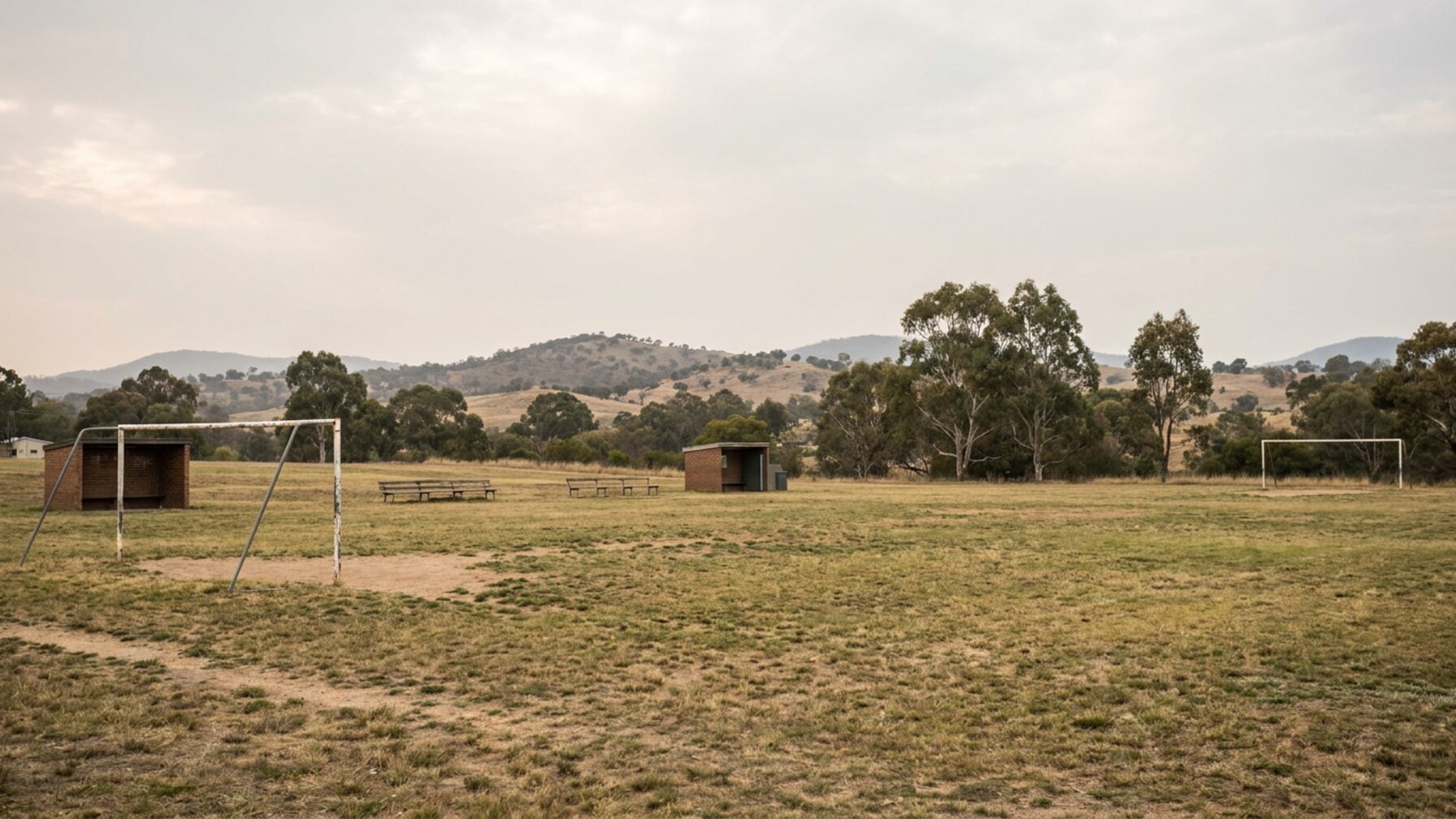
Canberra clubs continue to draw players through volunteer-run sessions that emphasize regular training and match play at the neighborhood level. Organizers focus on consistent schedules that fit around work and school commitments.
This approach matters now because it keeps numbers steady even as larger events pull attention elsewhere. Families gain access without high costs or long travel, which sustains interest through winter months when indoor options expand.
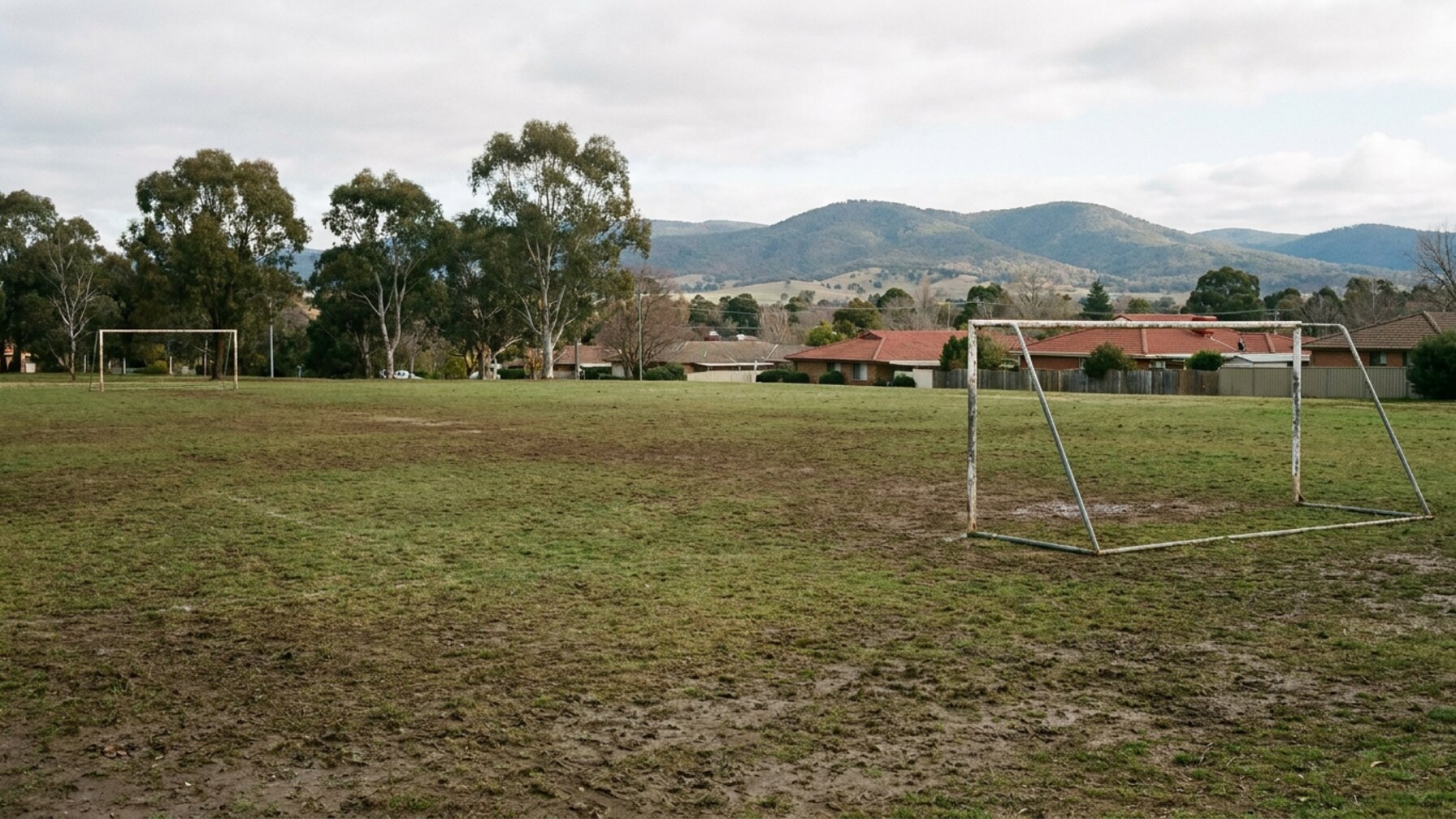
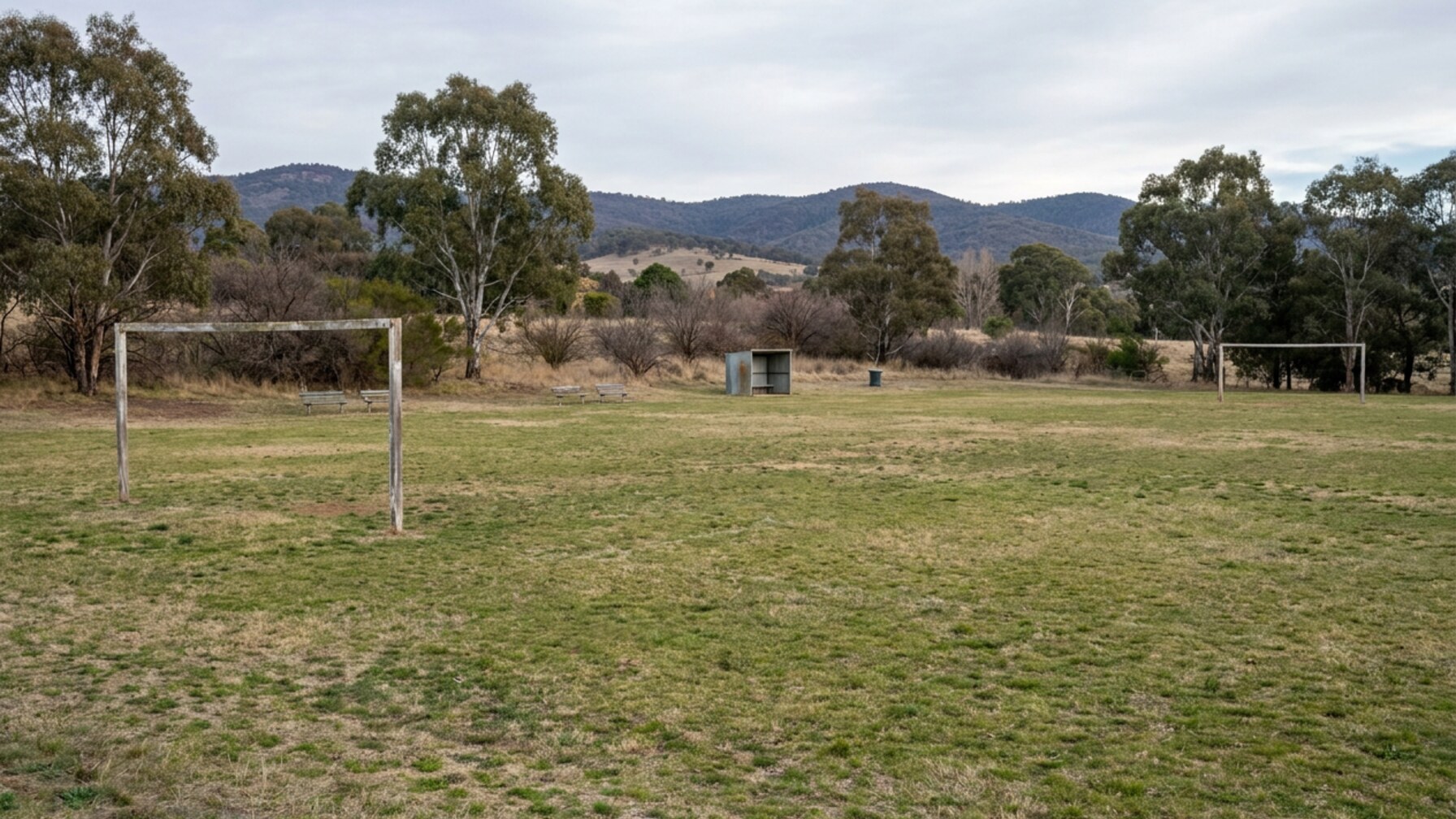
Parents handle equipment setup on fields scattered through residential areas. Coaches arrive early to mark lines and set cones before the first group arrives. These tasks repeat across multiple days each week and form the core schedule that teams follow from one season to the next.
Players aged from juniors to adults share the same grounds on different nights. The rotation lets younger participants watch older groups and then join drills that match their skill level. Equipment stays simple, often limited to balls, bibs and portable goals stored in club sheds.
Meetings happen in community halls after practice to plan rosters and confirm ground bookings. Notes from these sessions guide the next round of training themes, such as basic passing patterns or defensive positioning. Attendance stays high when the focus stays on enjoyment and steady improvement rather than results alone.
Teams that maintain steady volunteer numbers tend to keep registration lists full. New participants often arrive after watching friends at weekend games and then signing up for the next intake period. Clubs track these patterns through simple sign-in sheets rather than complex databases.
Anyone looking to join can visit the nearest community center during advertised open sessions. Staff there provide details on age groups, times and what gear participants need to bring. This direct contact keeps the process straightforward and tied to the same venues used for regular play.
Sport
Sport
Sport
Sport

Sport
Sport
About this article
Published by The Daily Canberra
Spread the word
Daily brief
Free, in your inbox before 7am. Weekdays.
The Daily Network — local news across Australia