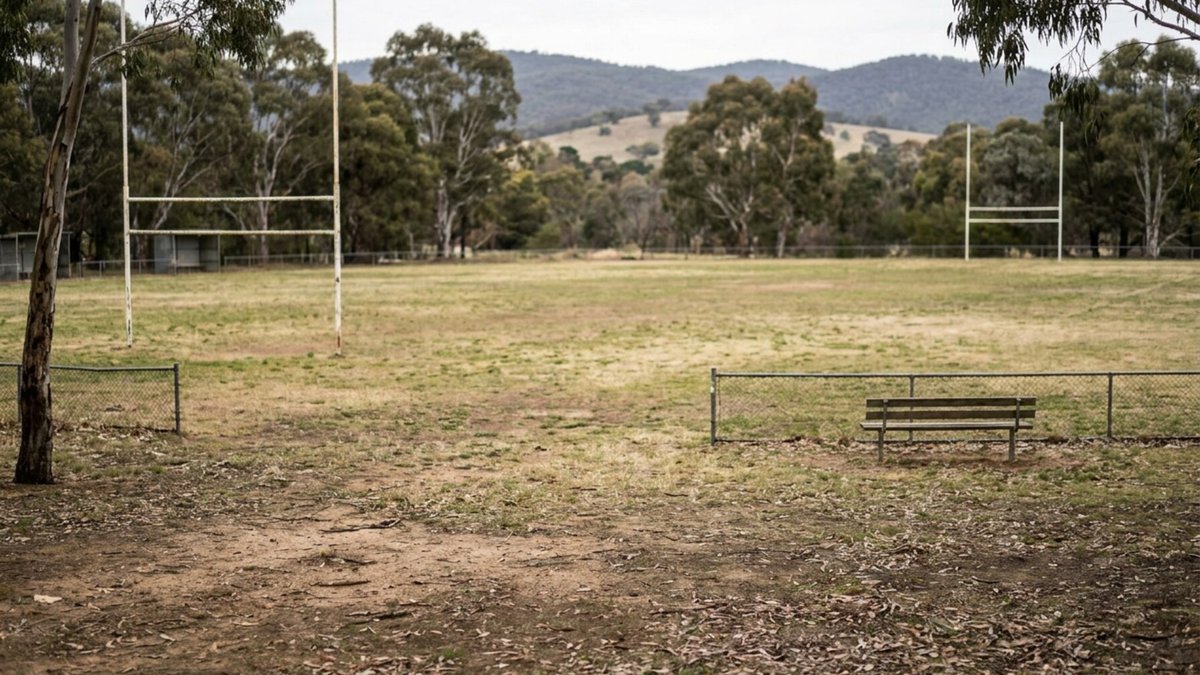
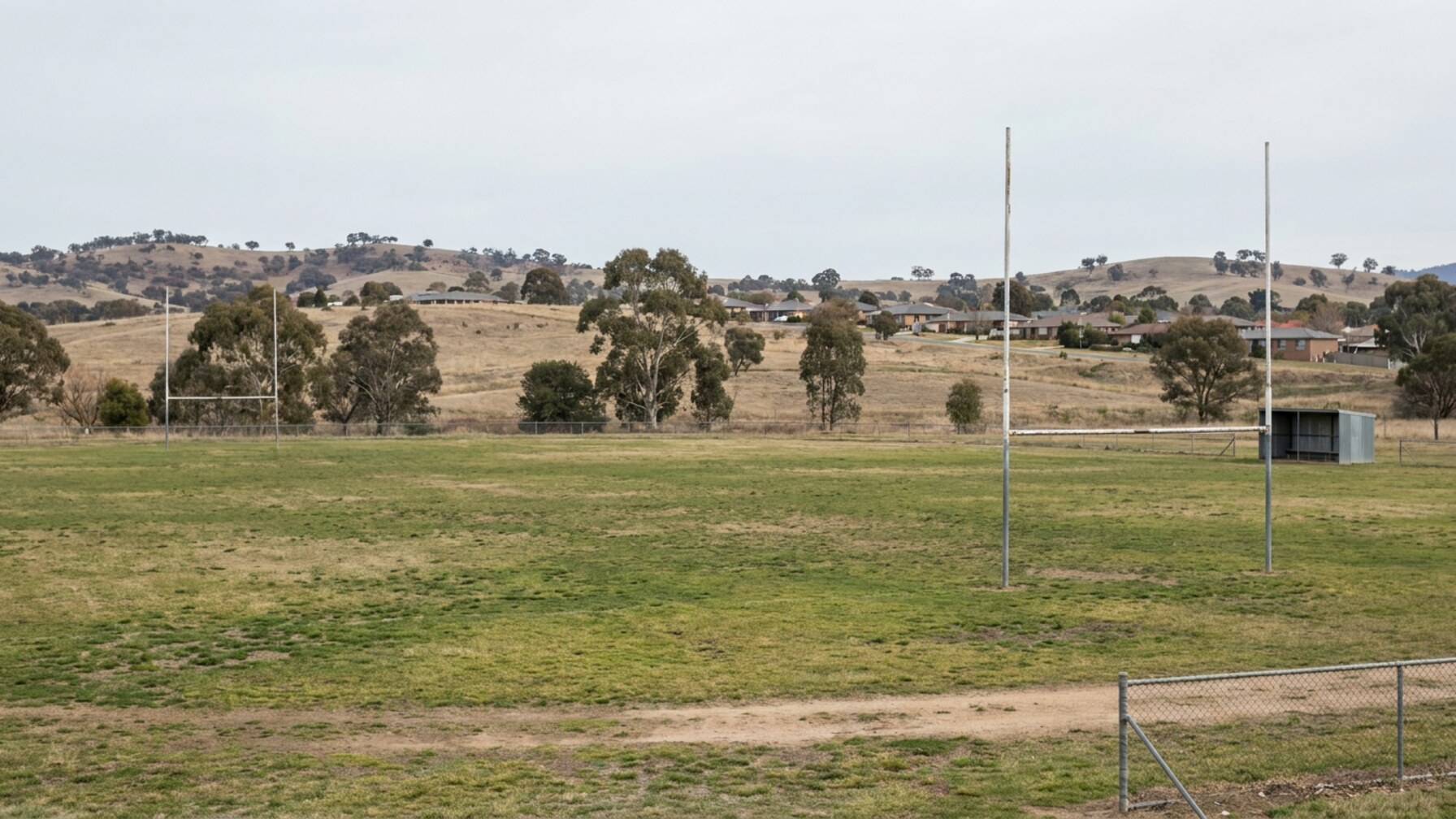
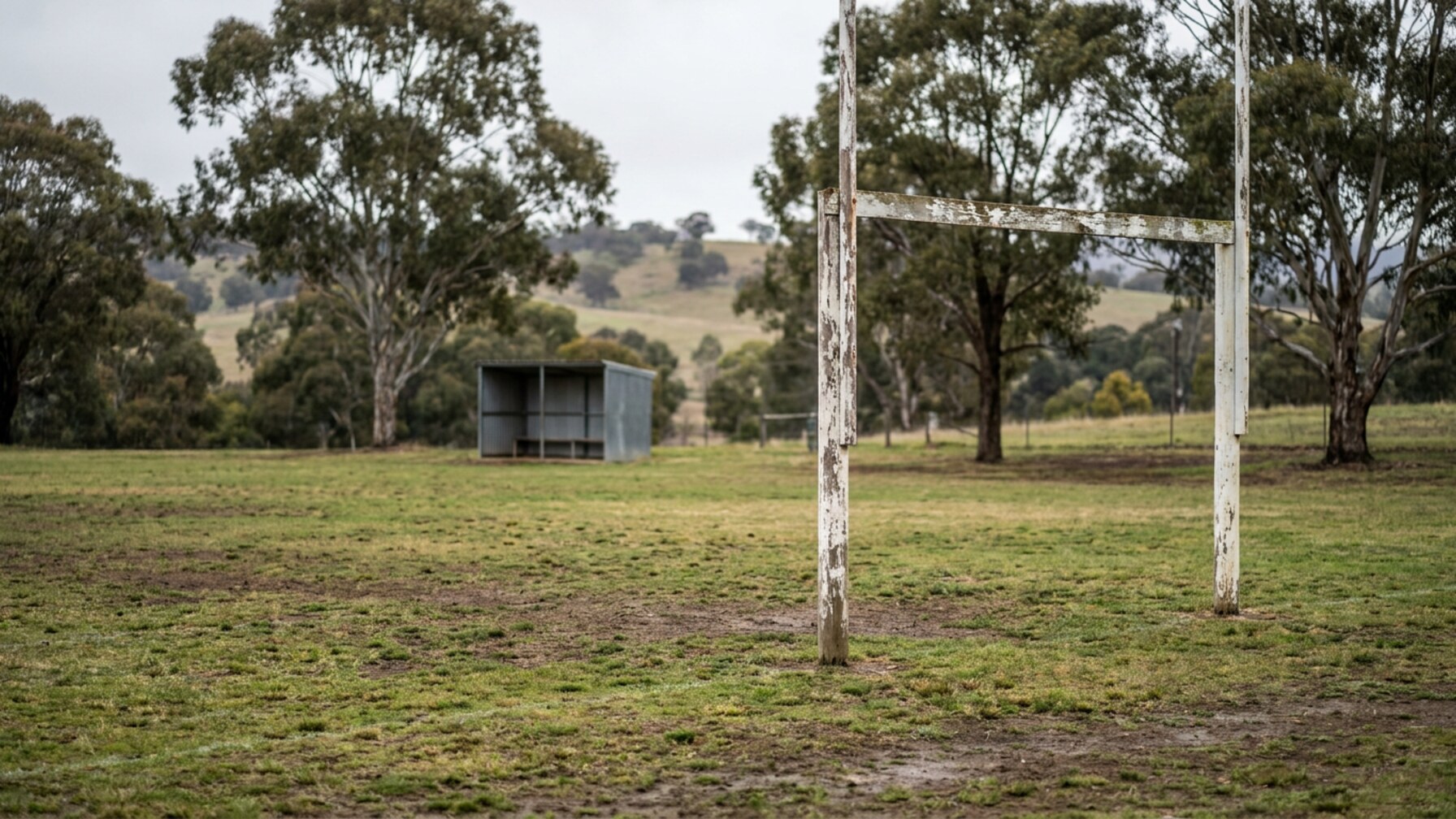
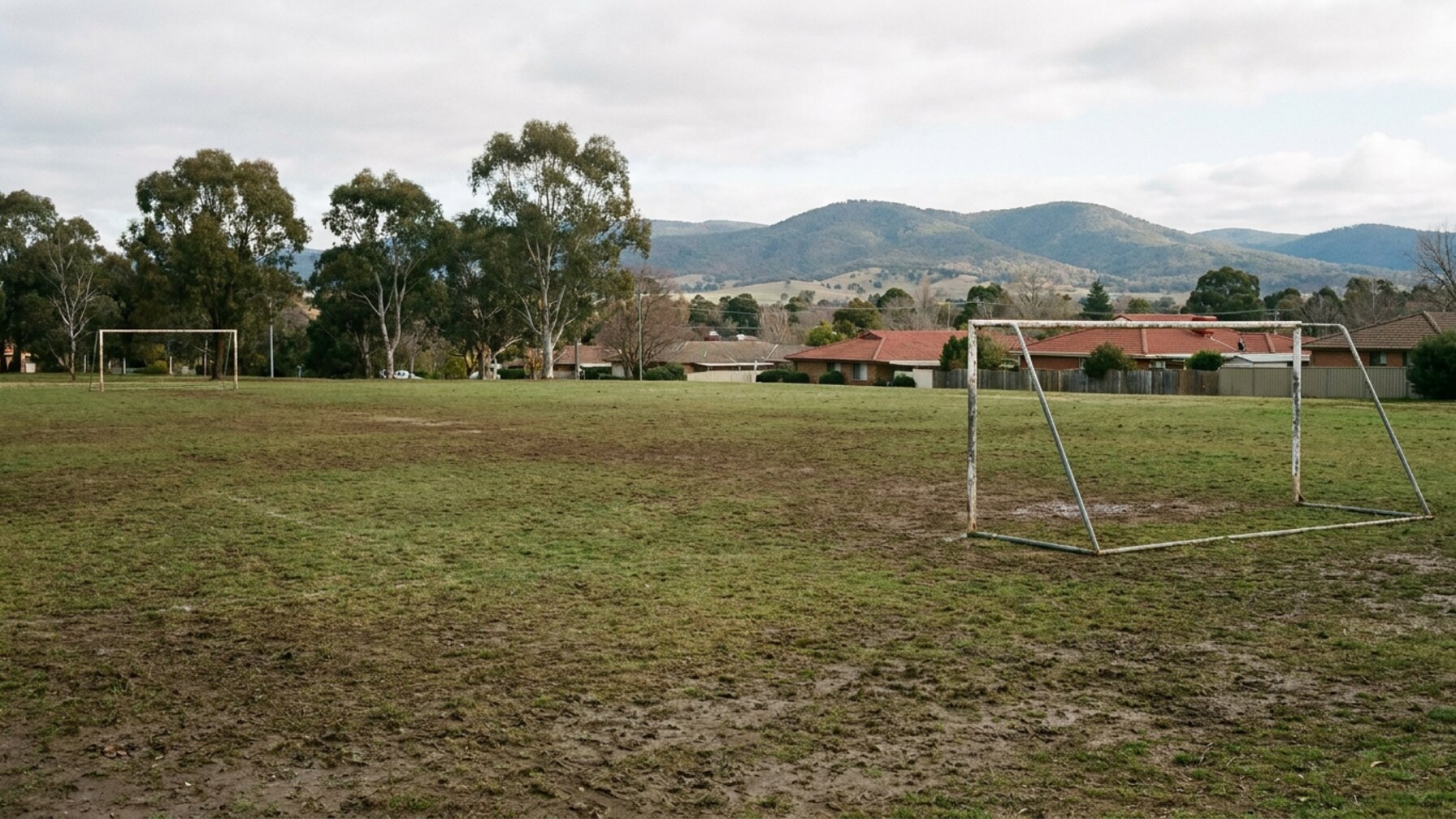
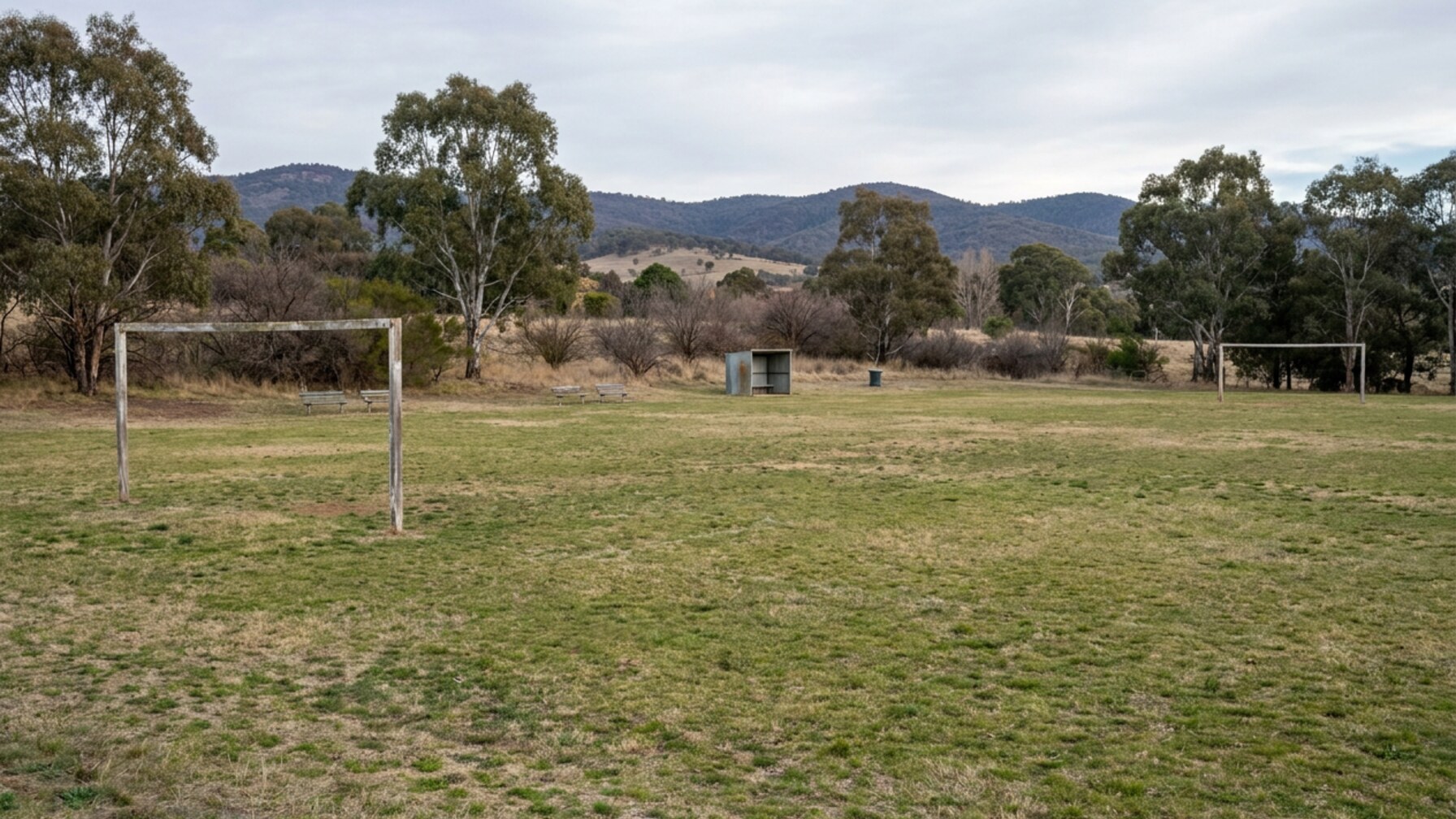
On a Tuesday evening at the Belconnen Soccer Centre, a dozen parents huddle under the eaves of the canteen while rain lashes the artificial turf. They're watching the under-12s, a team that didn't exist two years ago. This is the face of Canberra's grassroots sport movement, families, volunteers and local clubs trying to keep up with demand for places to play.
The push is coming from the ground up. Club registrations in the ACT have surged since the pandemic, with soccer, netball and cricket all reporting double-digit increases in junior participation. Yet the infrastructure to support them, fields, courts, changerooms, floodlights, has not kept pace. The City Renewal Authority's own 2025 strategic plan identified a shortfall of at least six multipurpose sports fields in the inner north alone.
Volunteers, not bureaucrats, driving change
What makes this story different from previous rounds of facility planning is who is pushing. At the Gungahlin Leisure Centre, it was a parents' Facebook group that raised $14,000 for new netball hoops through a bake sale and trivia night before the ACT government committed matching funds. In Tuggeranong, the submission to the Territory's 2026-27 budget process for a new hockey pitch came not from a peak body but from the Tuggeranong Vikings Hockey Club committee, which collected 400 signatures at shopping centres.
The model is scrappy, but it works. The Belconnen Soccer Centre expansion, completed in March 2026, added two full-size fields, one synthetic, one grass, after two years of lobbying by the Belconnen United Football Club. The club's committee opened its books, showing that all current fields were at 95 per cent capacity on weekend mornings. That evidence helped unlock a $2.1 million grant from the ACT Sport and Recreation Facilities Fund.
The numbers that tell the story
According to a 2025 report by Sport and Recreation ACT, participation in community sport in the territory has climbed 23 per cent since 2019. But the number of publicly available sports fields has grown by only 4 per cent. The gap is most acute in southern districts: the area between Wanniassa and Gordon has one soccer pitch per 3,200 residents, compared to a citywide average of one per 1,800. Local users describe waiting lists that stretch two seasons for some netball and football programs.
The qualitative impact is harder to measure, but the anecdotes are consistent. At the Queanbeyan netball courts, technically across the border but serving a large Canberra population, junior teams have resorted to training under portable floodlights borrowed from a neighbouring rugby club. One mother told the weekly Queanbeyan Age that her daughter's team had not had a home game in a month because their court was double-booked.
What happens next is unclear. The ACT government's Capital Works program for 2026-27 includes new changerooms at the University of Canberra's outdoor courts and a feasibility study for an indoor multi-sport centre in West Belconnen. But the timeline for the study alone stretches to 2028. Community groups say they will keep fundraising, keep petitioning, and keep turning up at planning consultations. For now, the most effective strategy remains the oldest one in sport: a parent with a bag of oranges and a clipboard, making sure the kids have somewhere to play.