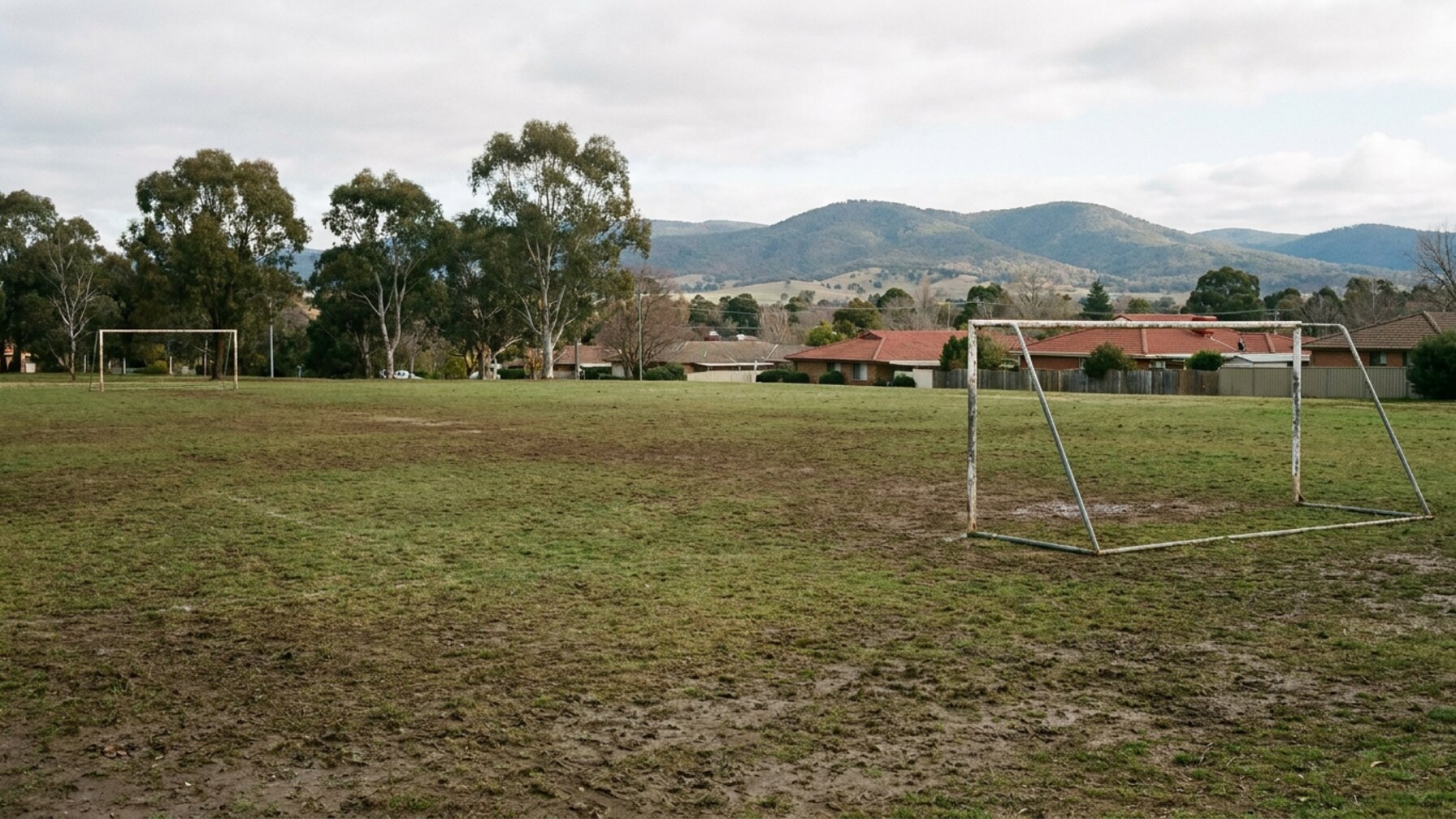
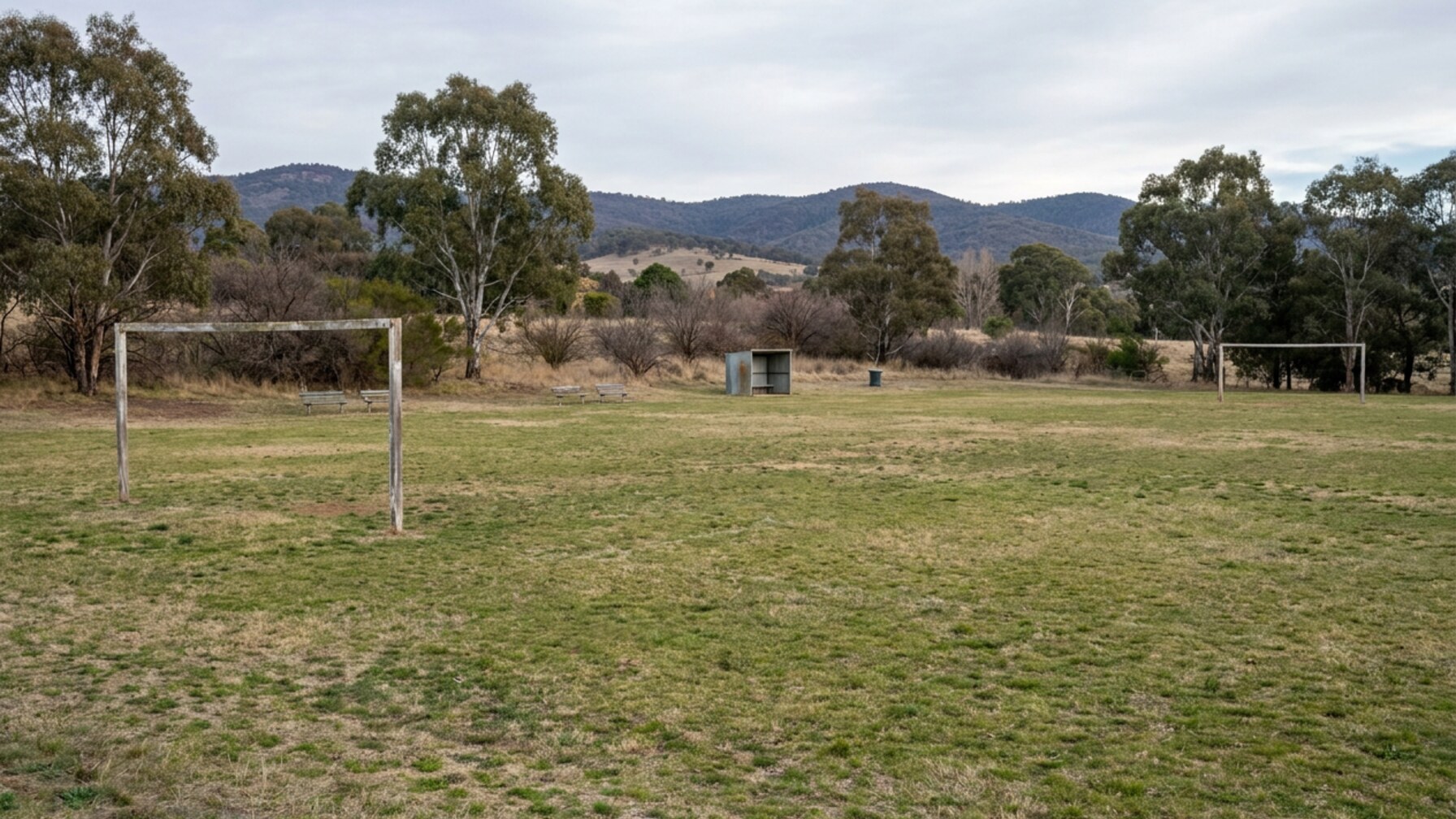
Canberra’s weekend sporting fields and courts were busier than ever this winter, with participation data from three major local leagues showing year-on-year increases of between 12 and 18 percent across all age groups, according to figures released Monday by Sport and Recreation Canberra.
The numbers underscore a broader cultural shift: Canberra is becoming a city that doesn’t just watch sport-it plays it. The latest quarterly survey from the Australian Sports Commission, published in June 2026, ranked the capital third nationally for adult weekly physical activity, behind only Wollongong and the Gold Coast.
Club rosters at capacity across the capital
At the Belconnen Soccer Centre on Saturday, four of the eight junior pitches were in use from 8 a.m., with two more games added to the schedule after a late surge in registrations. The ACT Football Federation confirmed that 14 of its 22 affiliated clubs have now capped their senior winter rosters, a situation not seen since the post-Olympic boom of 2000.
Over at the AIS Athletics Track on Leverrier Street, the Saturday morning parkrun series drew 847 registered participants, the highest July attendance since the event began in 2011. An AIS spokesperson said the facility now runs three additional weekly fitness sessions to accommodate demand.
Even the capital’s niche sports are feeling the squeeze. Canberra Ultimate, the city’s governing body for ultimate frisbee, reported a 22 percent jump in indoor winter league sign-ups compared with the same period last year. The league now fields 48 teams across divisions that did not exist three years ago, including a masters category for players over 40.
What the data tells us about Canberra’s fitness culture
Canberra University’s Centre for Sports Studies analysed local participation trends between 2020 and 2025 and found that the share of residents who exercise at least four times a week rose from 29 percent to 41 percent over that period. The centre’s lead researcher, Dr. Helen Tran, noted that the increase correlates with the opening of the Kingston Foreshore cycle loop and the expansion of the Centenary Trail network, which now spans 145 kilometres.
The data also reveals a shift in when Canberrans choose to exercise. Weekend morning participation has declined slightly-down 3 percentage points since 2023-while twilight and evening sessions on weeknights have jumped 11 points. The Molonglo Valley Development Authority has responded by fast-tracking lighting upgrades at eight suburban sports grounds, including the new playing fields at North Weston and Whitlam.
Not everyone is winning the fitness battle. The same ACT government health survey that records participation also tracks “drop-off” rates-people who start a sport or club but quit within three months. That figure held steady at 17 percent over the past year, driven largely by work and family commitments. The government’s Move More Canberra program, launched in March 2025, now offers subsidised child-minding for parents attending weekend fitness sessions at five community hubs: Gungahlin, Tuggeranong, Belconnen, Phillip and the City Centre.
For anyone still sitting on the fence, the options are broader than ever. ACT Sport Minister Yvette Berry is expected to announce a new round of infrastructure grants in August, with applications open to clubs in the Molonglo and Jerrabomberra regions. Online registration for most winter sports remains open until the end of July through the Sport and Recreation Canberra website, though several clubs are already asking prospective members to sign up for the spring season instead.
The message from the weekend data is clear: Canberra’s active lifestyle is no longer a hobby-it’s a habit.