Sport
Canberra's sporting pulse: participation data shows a city in motion
New figures reveal which suburbs are hitting the gym, lacing up for footy, and why the capital's fitness culture is shifting indoors.
3 min read
Updated 7 h ago
Sport
New figures reveal which suburbs are hitting the gym, lacing up for footy, and why the capital's fitness culture is shifting indoors.
3 min read
Updated 7 h ago
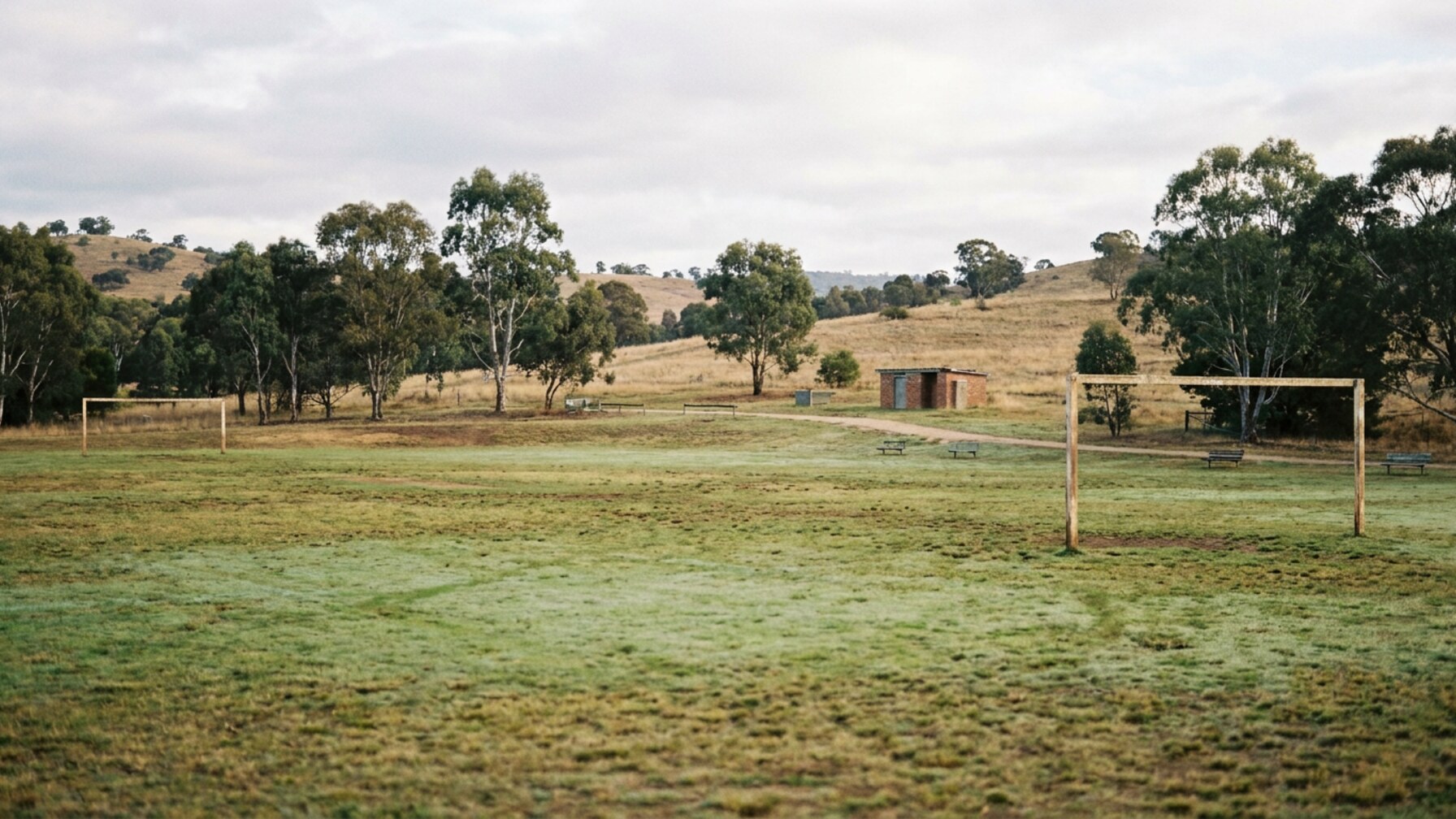
Canberra residents are exercising more frequently than the national average, according to fresh participation data released this month by the Australian Sports Commission. The figures show 73.4 per cent of adults in the ACT engage in sport or physical activity at least three times a week-well above the national average of 67.1 per cent. The data, drawn from the Commission's AusPlay survey, confirms the capital's reputation as one of Australia's most active cities.
The survey tracks participation across more than 70 sports and activities. In Canberra, the top three activities remain walking, fitness/gym training, and swimming-consistent with national trends. But the local standout is team-sport participation: 28 per cent of ACT adults play organised sport, compared with 21 per cent nationally. That includes strong numbers in Australian rules football, rugby union, soccer and netball, with club registrations holding steady across the capital's major leagues.
Data from the ACT government's Sport and Recreation Canberra division indicates that participation in indoor sports-particularly basketball, futsal and indoor cricket-has grown 11 per cent over the past two years. Facilities at the Australian Institute of Sport and the Southern Cross Stadium in Tuggeranong report increased casual court hire, especially among adults in their 30s and 40s. The AIS track and field centre in Bruce also saw a 9 per cent rise in community use during the 2025-26 financial year.
The Canberra Times reported that gym and fitness-centre memberships in the capital rose 6.3 per cent in the first half of 2026, with the strongest growth in the inner-north suburbs of Turner, O'Connor and Lyneham. That shift mirrors a broader national move toward structured, pay-per-session training-including high-intensity interval training and reformer Pilates-rather than traditional annual gym memberships. Local operators such as Club Lime and Zenergy have opened new studios in the Woden and Belconnen town centres to meet demand.
The data also shows a widening gap in activity levels between high- and low-income households in the ACT. While 81 per cent of adults in households earning more than $100,000 exercise at least three times a week, that figure drops to 61 per cent for those earning under $50,000. The disparity is most pronounced in suburbs like Tuggeranong and parts of Gungahlin, where access to public transport and affordable facilities is more limited.
Youth participation, however, remains a bright spot. The AusPlay survey found that 72 per cent of ACT children aged 5-14 participate in organised sport-the highest rate of any state or territory. The ACT government's ‘Active Kids' voucher scheme, which provides up to $200 per child per year for sports registration, was used by more than 14,000 families in 2025-26. That program is funded through to June 2027, according to the ACT Budget.
Looking ahead, the key challenge for Canberra will be keeping pace with demand for indoor and all-weather facilities as the city's population grows-particularly in the Molonglo Valley and north Gungahlin corridors. The ACT government has announced funding for a multi-sport indoor centre at the University of Canberra campus, expected to open in late 2028. For now, residents can keep tracking their own activity through the free ACT Active app, which aggregates local parkrun results, court bookings and club contact details.
Sport
Sport
Sport
Sport

Sport
Sport
About this article
Published by The Daily Canberra
Spread the word
Daily brief
Free, in your inbox before 7am. Weekdays.
The Daily Network — local news across Australia