Sport
Grassroots Spirit Fuels Canberra’s Community Sport Growth
Local clubs, schools and volunteers are the backbone of Canberra’s thriving community sport movement, driving participation beyond elite arenas.
3 min read
Sport
Local clubs, schools and volunteers are the backbone of Canberra’s thriving community sport movement, driving participation beyond elite arenas.
3 min read
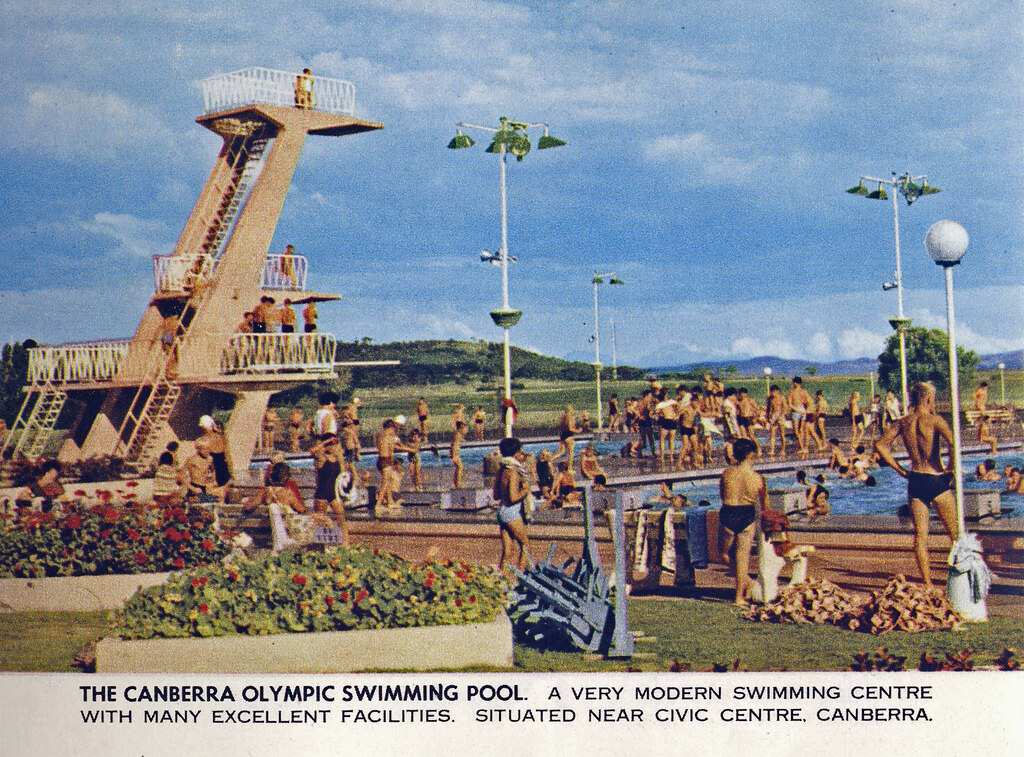
Canberra’s community sport scene is experiencing a surge in participation, driven by a network of grassroots clubs and volunteer initiatives that are transforming local neighborhoods into hubs of activity. As the ACT gears up for next month’s regional sports festival, the grassroots movement offers a fresh lens on how sport connects everyday Canberrans.
After years of disruption from the pandemic, local sport clubs are seeing record registrations, with an emphasis on inclusivity and broad engagement. The timing coincides with government funding increases as the ACT prepares for the upcoming Active Canberra 2026 program, which aims to boost accessibility and infrastructure for community athletes of all ages and abilities.
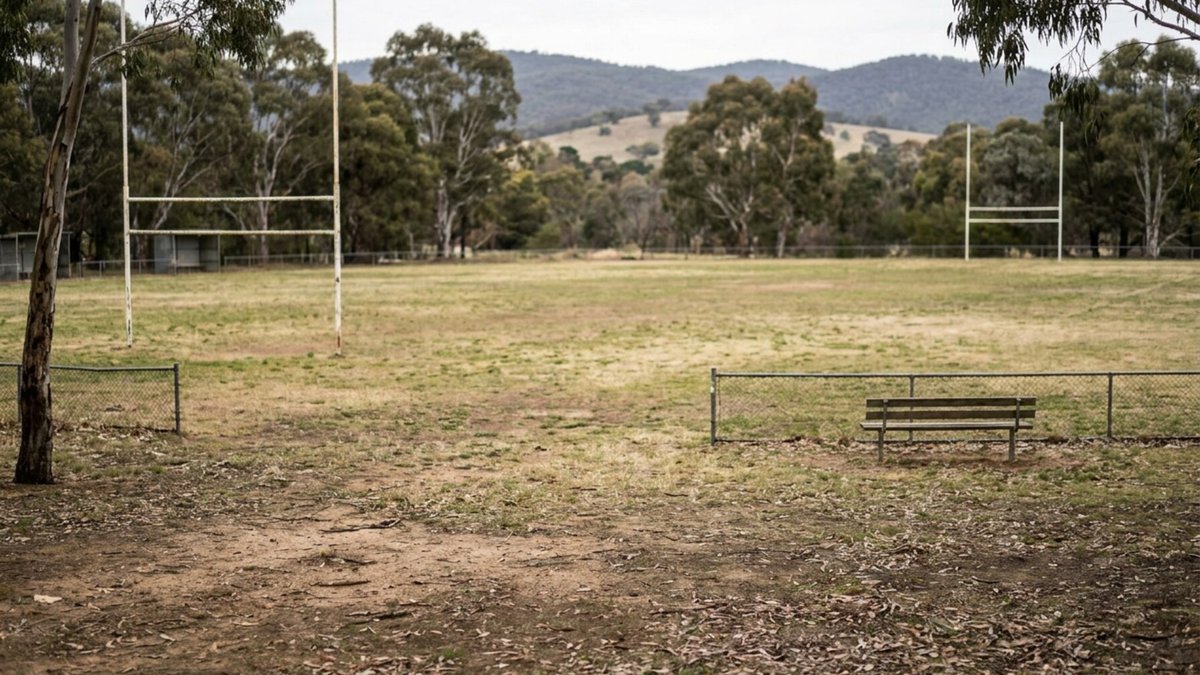
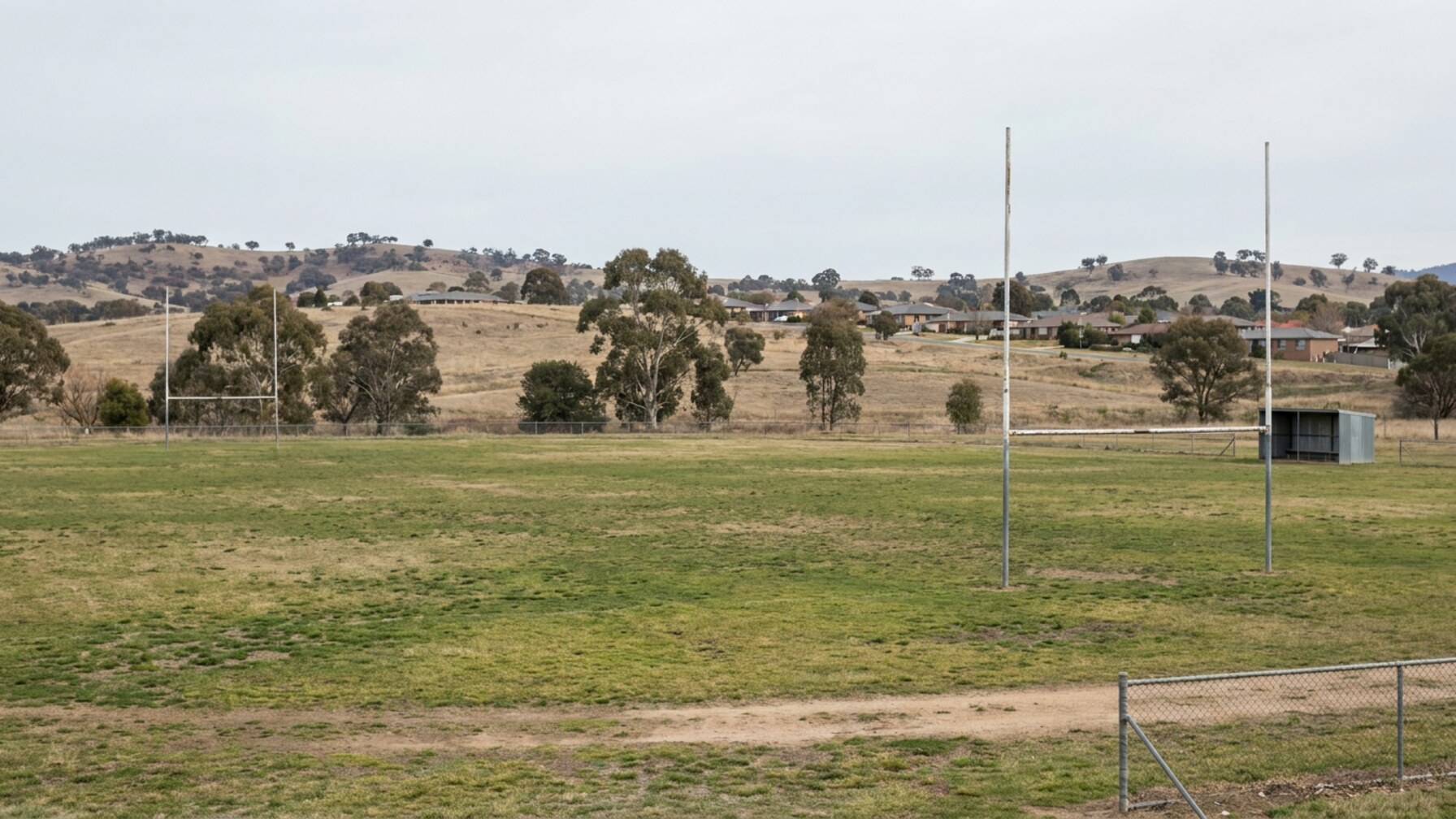
Several grassroots organisations, from the Woden Bulldogs Rugby Club on Phillip Oval to the Tuggeranong Valley Basketball League based at the Southern Cross Stadium, have reported membership growth of 15 to 20 percent in the past 18 months. This upswing is not just about numbers but reflects renewed energy from volunteers and partnerships with schools such as Amaroo School, which recently started afterschool multi-sport clinics.
Data from the ACT Government’s Sports Participation Report 2025 reveals that nearly 62,000 Canberrans aged 5 to 18 are now involved in community sport programs, marking a 10 percent rise since 2023. Notably, community clubs report that volunteer coaches and organizers, many juggling day jobs and family commitments, contribute upwards of 80,000 collective hours annually.
Funding for grassroots infrastructure has also increased, with a $3 million upgrade announced for the Majura Oval precinct, aiming to enhance training facilities for soccer and ultimate frisbee players. Registration fees remain affordable to encourage participation, averaging $120 per season for youth leagues, often supplemented by scholarships and local sponsorships coordinated by organisations like the Canberra Sport and Recreation Association.
Barriers such as transport and equipment costs linger in certain suburbs, but targeted initiatives are tackling these issues head-on, including free shuttle services from remote areas to major venues during peak times.
The ACT Government’s support, combined with the enthusiasm of local clubs, ensures community sport remains a cornerstone of Canberra’s social fabric beyond the elite competitions dominating national headlines.
Looking ahead, those interested in joining or supporting local teams can contact clubs directly or explore programs via the ACT Government's Find a Sport portal, which lists hundreds of grassroots options citywide. The coming months will see renewed efforts to expand opportunities into northern suburbs like Gungahlin, where new community fields slated for completion in late 2026 promise to further ignite the grassroots movement.
Sport
Sport
Sport
Sport

Sport
Sport
About this article
Published by The Daily Canberra
Spread the word
Daily brief
Free, in your inbox before 7am. Weekdays.
The Daily Network — local news across Australia