Canberra's fitness landscape has undergone a remarkable transformation over the past three years, with significant investment in facilities and infrastructure positioning the capital as a regional hub for serious athletes and casual gym-goers alike.
The Australian Institute of Sport in Bruce remains the nation's flagship training facility, but the real story lies in the proliferation of commercial and community venues across the city. The Canberra Olympic Pool in Civic continues to draw competitive swimmers and water aerobics enthusiasts, while newer CrossFit boxes have sprouted in Dickson and Belconnen, capitalizing on the functional fitness trend that shows no signs of slowing.
Industry data suggests that Canberra's gym membership rates have grown 18 percent since 2023, outpacing national averages. Local commercial operators report that mid-tier facilities—priced between $60 and $100 monthly—dominate the market, with members increasingly seeking flexible, technology-enabled training environments. The proliferation of app-based class bookings and performance tracking has become standard rather than premium across venues in Fyshwick's industrial precinct, where several larger chains have established sprawling 24-hour operations.
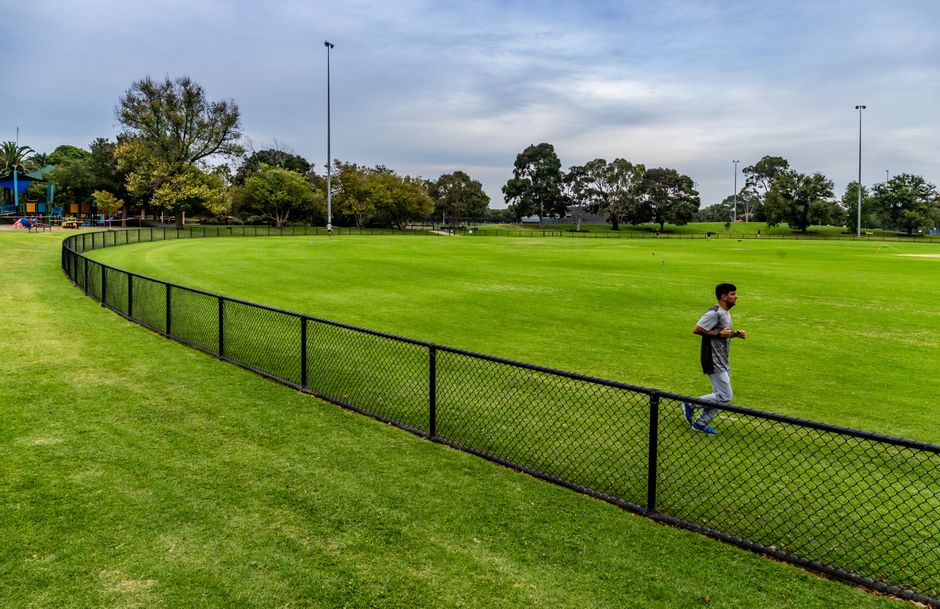
Community infrastructure has also evolved significantly. Canberra's network of public ovals and outdoor fitness stations—particularly in Tuggeranong and Gungahlin—have received targeted upgrades, with upgraded gym equipment and weatherproof facilities now commonplace. The ACT Injury Prevention Service reports that better infrastructure access has contributed to a measurable increase in outdoor fitness participation among residents aged 25-45.
Local sports organisations have capitalised on this momentum. The Canberra Rowing Club's facilities on Lake Burley Griffin have expanded, while dedicated yoga and pilates studios have moved beyond niche offerings to become neighbourhood staples, with at least six dedicated venues now operating across inner suburbs including Braddon and Reid.
Yet challenges remain. Venue availability during peak hours (5-8pm weekdays) remains a pressure point, and some outer-suburbs residents still report limited local options. Plans for expanded facilities in Gungahlin's emerging precincts suggest planners recognise these gaps.
For Canberra's growing fitness-conscious population, the infrastructure story is ultimately one of access meeting ambition—whether pursuing competitive sport or simply maintaining health in Australia's sunniest capital.
This article was compiled by AI and screened before publishing. See our editorial standards.