Walk through Dickson on any Tuesday evening and you'll find them: a cluster of runners gathering near the library, stretching calves and comparing training apps. By 7:15pm, they're moving through the leafy streets in loose formation, their collective footfall a rhythm that's become as reliable as the sunset.
This is Canberra's fitness grassroots in action—a movement that's quietly reshaping how the nation's capital approaches health and wellness. Unlike the boutique studios commanding $30-40 per class in Civic, these community-driven initiatives operate on a different philosophy: accessibility first, profit second.
"We started with five people in a Northbourne Avenue car park in 2021," recalls one local fitness organiser who's helped build the city's outdoor training scene. "Now we've got 200-plus members across multiple locations, and we haven't charged membership fees since day one." The group now operates sessions across Haig Park, Lake Burley Griffin's circuit, and the Canberra Stadium precinct.
The numbers tell a compelling story. According to recent surveys of Canberra's fitness sector, participation in community-led training—whether running clubs, outdoor boot camps, or peer-coached strength groups—has jumped roughly 45 percent since 2024. Meanwhile, traditional gym memberships have plateaued, with average monthly costs pushing toward $60-80 for premium facilities.
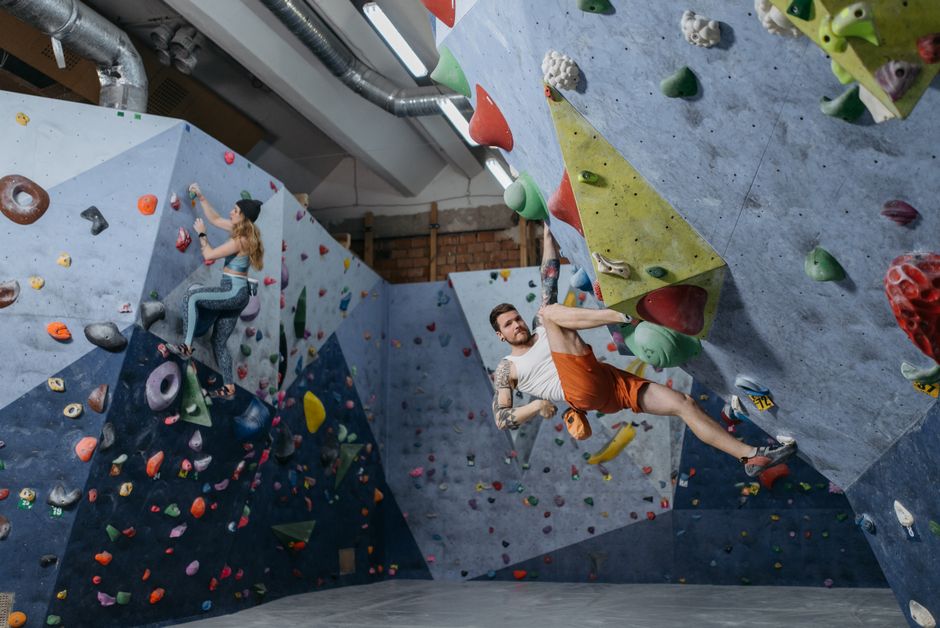
This shift reflects broader cultural changes. Gen Z and millennial fitness enthusiasts increasingly prioritise social connection over isolation on machines. Group training in Woden's open spaces or along the Molonglo Valley offers both: structured workouts paired with genuine community building.
Community organisations like those operating from the Canberra Indoor Sports Centre and various neighbourhood hubs are formalising this movement. Many now offer subsidised or donation-based programs specifically targeting underserved demographics—shift workers, parents managing childcare, residents with limited disposable income.
"Fitness shouldn't be a luxury product," one grassroots coach noted. "Canberra's strength is our space and our neighbourhoods. We're just activating them differently."
The impact extends beyond workout sessions. Local mental health professionals report that community-based fitness initiatives are creating meaningful social infrastructure, particularly for isolated individuals. A Canberra University study earlier this year suggested that participatory sport experiences—where members help coach, organise, or mentor—correlate with higher long-term engagement and wellbeing outcomes.
As winter approaches and training conditions intensify, this grassroots movement isn't slowing. If anything, it's accelerating—proof that Canberra's next fitness revolution won't be branded or packaged. It'll simply be neighbourhoods taking their health into their own hands.
This article was compiled by AI and screened before publishing. See our editorial standards.