Sport
Canberra's Venues Face Funding Crisis Ahead of Major Events
As the capital gears up to host major events, local venues face critical questions about funding, capacity and long-term viability.
3 min read
Sport
As the capital gears up to host major events, local venues face critical questions about funding, capacity and long-term viability.
3 min read
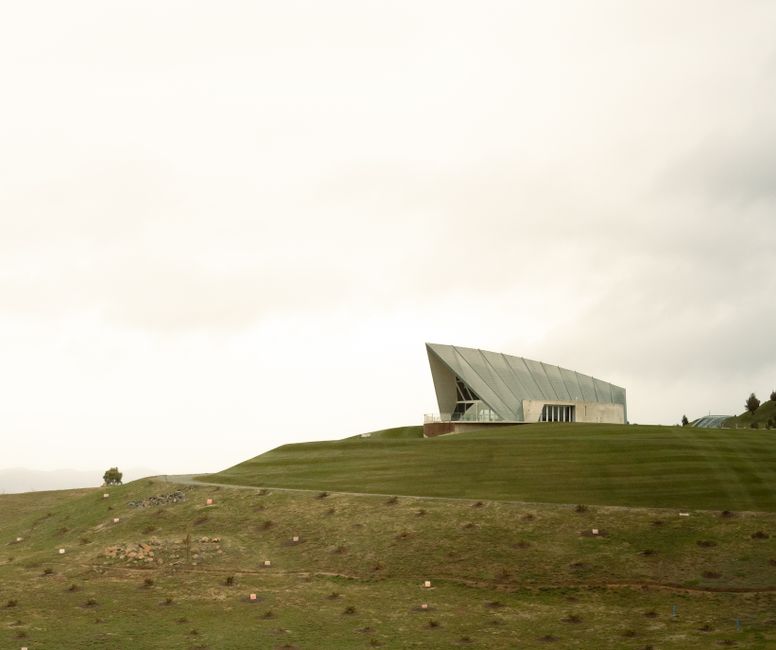
Canberra's sporting landscape has undergone a quiet transformation over the past decade, with facilities across the city now capable of hosting events that once seemed reserved for Sydney or Melbourne. Yet beneath the polished surfaces of our modern venues lies a more complex story about infrastructure ambition, maintenance costs, and the political will required to keep pace with growing demand.
GIO Stadium in Bruce remains the jewel in the local crown, with its 13,600 capacity making it suitable for major rugby league, rugby union, and soccer fixtures. The venue has played host to increasingly high-profile matches, though its reliance on ACT Brumbies revenue and occasional Canberra Raiders fixtures means utilisation rates fluctuate significantly year to year. Nearby, the Canberra Stadium precinct continues to evolve, though questions persist about upgrade schedules and accessibility for disabled spectators.
Across the city in Acton, the AIS (Australian Institute of Sport) maintains world-class training and competition facilities that support everything from swimming and diving to basketball and netball. The aquatic centre alone cost $47 million to refurbish in recent years, reflecting the enormous capital investment required to maintain Olympic-standard infrastructure. For local athletes, access remains subsidised, but the broader question of whether the facility generates sufficient revenue to justify its operational costs remains contentious among ACT policymakers.
Inland from Civic, Canberra Hockey Stadium on Morshead Drive has emerged as a venue of genuine national significance, hosting major hockey competitions and serving the thriving local hockey community. Its artificial pitch surface requires specialist maintenance—a recurring expense that smaller regional centres simply cannot absorb.
The real challenge facing Canberra's sporting infrastructure is not glamour but sustainability. Venues operating at 60-70 per cent capacity during off-peak periods struggle to offset maintenance, staff, and operational expenses. The ACT Government's 2024-25 budget allocated $15 million toward sports and recreation infrastructure, a figure that sounds substantial until you consider deferred maintenance backlogs and the cost of climate-proofing outdoor venues against increasing heat extremes.
Planning documents reveal ambitions for additional facilities in south Canberra and capacity upgrades to existing venues, yet funding timelines remain vague. If the capital is serious about positioning itself as a genuine sporting hub—capable of hosting World Cup qualifying matches, national championships, and international tournaments—infrastructure investment cannot remain hostage to electoral cycles.
Canberra's venues are good. The question is whether they'll remain competitive when regional rivals invest aggressively in their own facilities.
This article was compiled by AI and screened before publishing. See our editorial standards.
Sport

Sport
Sport

Sport
About this article
Published by The Daily Canberra
Spread the word
Daily brief
Free, in your inbox before 7am. Weekdays.
The Daily Network — local news across Australia