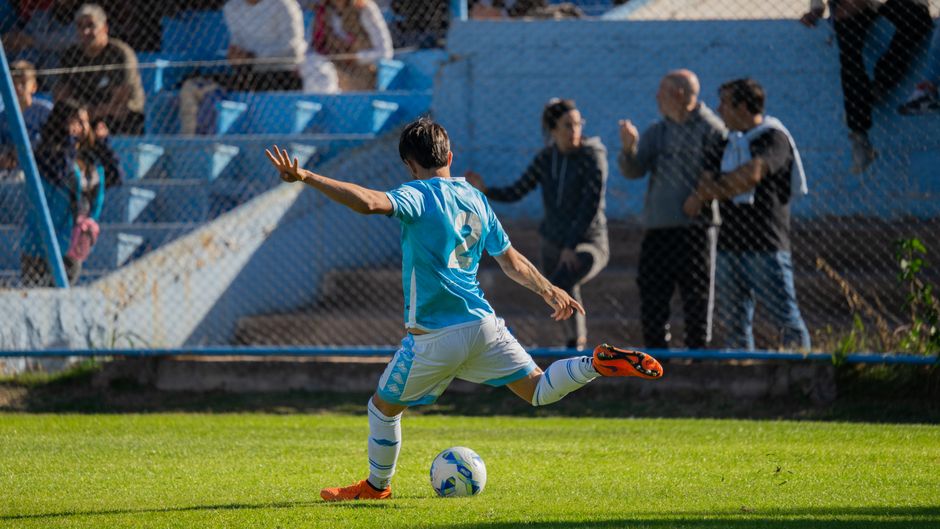
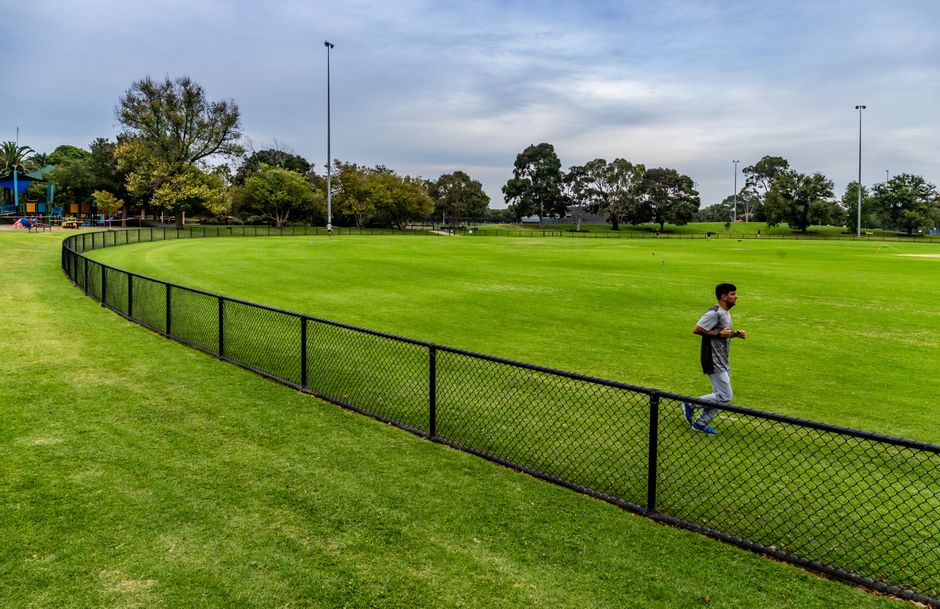
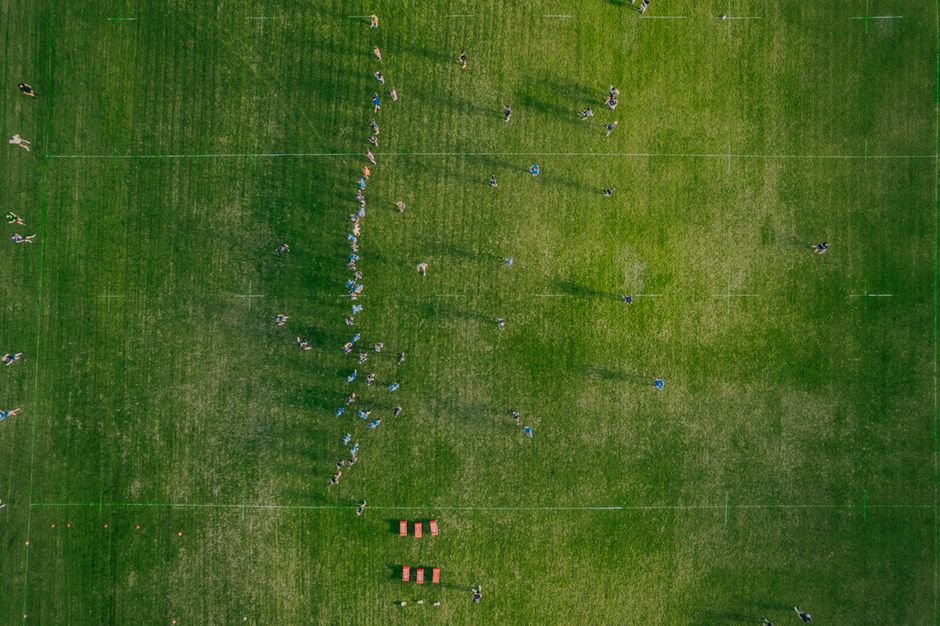
Walk past Dickson College's oval on any Thursday evening, and you'll see what Canberra's fitness culture looks like in 2026: dozens of players in training bibs, ranging from teenagers to adults in their fifties, moving through possession drills under the winter lights. It's a scene replicated across Gungahlin, Tuggeranong, and Belconnen, where local soccer clubs are experiencing unprecedented demand.
Data from the Canberra District Soccer Association paints a compelling picture. Participation in affiliated clubs has grown from 8,400 members in 2021 to nearly 16,800 today—a 100 per cent increase that outpaces growth in rugby league, Australian rules, and traditional cricket clubs across the territory. The shift is unmistakable, and it tells us something profound about what Canberrans value in their leisure time.
"Soccer is accessible," explains the reasoning behind clubs like Belconnen United and Tuggeranong Districts reporting waiting lists for the first time in their histories. Unlike sports requiring expensive equipment or membership fees exceeding $400 annually, soccer demands little beyond boots and basic shin guards. A season typically costs $180 to $240 for adults—competitive with gym memberships but delivered with genuine community.
The demographic breakdown is telling. While youth participation remains strong, the fastest-growing segment is adults aged 30-50, particularly women. Women's registrations have tripled since 2021, now representing 38 per cent of total participants. Venues like the Canberra District Soccer Club's home ground in Lyneham and the sprawling pitches at Gungahlin Enclosed Oval are buzzing with social mixed competitions—fixtures where fitness meets friendship.
This isn't coincidental. Post-pandemic, Canberrans have proven they're seeking activity that combines physical health with social connection. Soccer delivers both. The sport requires sustained aerobic effort without the joint impact of running; it's inclusive enough for beginners but technically rich enough to sustain engagement. A 45-minute match burns 400-600 calories while fostering the camaraderie that gyms struggle to replicate.
Club infrastructure hasn't kept pace entirely. Several associations report facility shortages, with peak-time bookings at hotspots like Tuggeranong and Mitchell Parks oversubscribed. Yet rather than dampening enthusiasm, waiting lists seem to intensify it.
The World Cup's visibility hasn't hurt, certainly. Yet Canberra's soccer boom reflects something deeper: a community recognising that fitness culture here is evolving. It's less about individual achievement and more about belonging to something structured, meaningful, and genuinely fun. That's worth monitoring as we plan our city's recreational future.
This article was compiled by AI and screened before publishing. See our editorial standards.