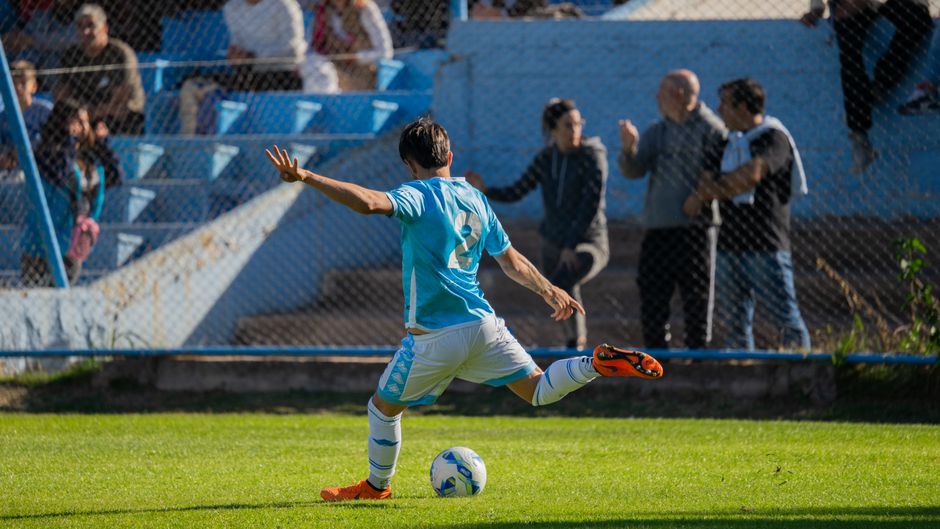
Canberra's football pitches are busier than ever. Recent participation figures from ACT Football reveal a striking trend: grassroots soccer enrollment has climbed 23 percent over the past two seasons, with youth registrations alone jumping from 8,400 to 10,320 players across all age groups.
What's driving this surge? Sports officials and local coaches point to a fundamental shift in how Canberra residents approach fitness. Unlike the traditional gym culture that once dominated civic wellness conversations, soccer offers something more compelling: community, competition, and genuine fun. For families across suburbs like Belconnen, Tuggeranong, and Gungahlin, weekly training sessions at venues such as Stirling District Playing Fields and the Canberra Olympic Park precinct have become non-negotiable calendar items.
The economics are telling too. A season-long junior registration typically costs $280–$380, making soccer more accessible than many competing activities. Adult futsal leagues at venues along Edinburgh Avenue now run year-round, with Thursday-night competitions drawing 40-plus teams each season. Even casual "pick-up" games at Yerrabi Pond Reserve and Dickson District Playing Fields attract dozens of players weekly, suggesting the appeal extends well beyond formal competition.
"People are moving away from the solitary treadmill mentality," says one local football development coordinator. "They want activity that builds genuine social connection, and soccer naturally delivers that."
Age demographics paint another interesting picture. While junior participation dominates, women's football has grown 31 percent—particularly in the 18–35 age bracket. The ACT Women's Premier League now fields eight competitive teams, up from five in 2024. This mirrors national trends but feels distinctly local in how grassroots clubs have rallied behind development.
Perhaps most significantly, participation data suggests Canberra's fitness culture is becoming less about individual achievement metrics and more about collective experience. The rise coincides with growing interest in local environmental infrastructure: better lighting at training grounds, expanded change facilities, and improved accessibility across public reserves.
As international football captures global attention—with the 2026 World Cup cycle energizing casual fans—Canberra's numbers suggest something deeper is happening locally. The sport isn't just a pastime here; it's becoming woven into how this city defines community wellness. Whether that momentum sustains will depend on continued investment in grassroots infrastructure, but current trends suggest Canberra's football moment is far from fleeting.
This article was compiled by AI and screened before publishing. See our editorial standards.