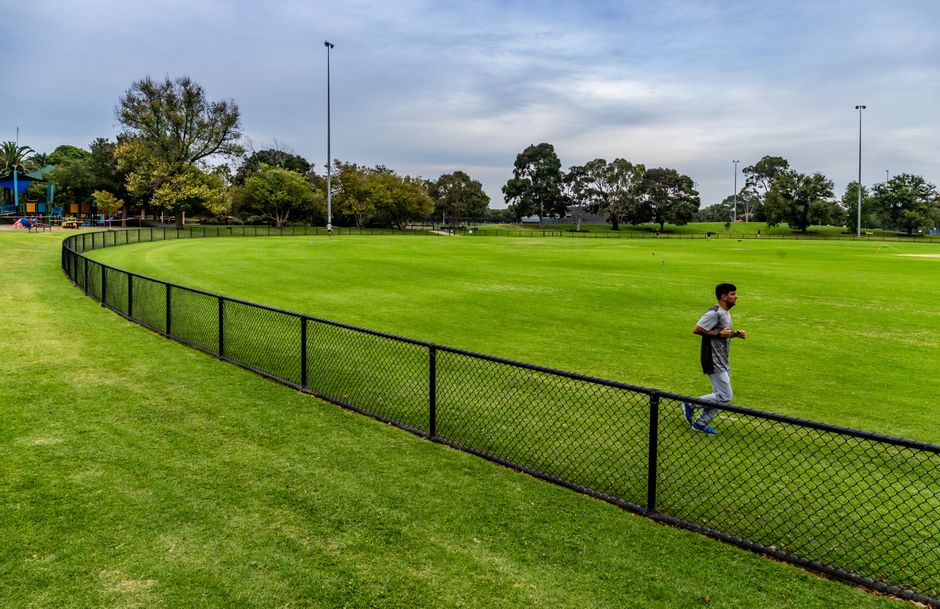
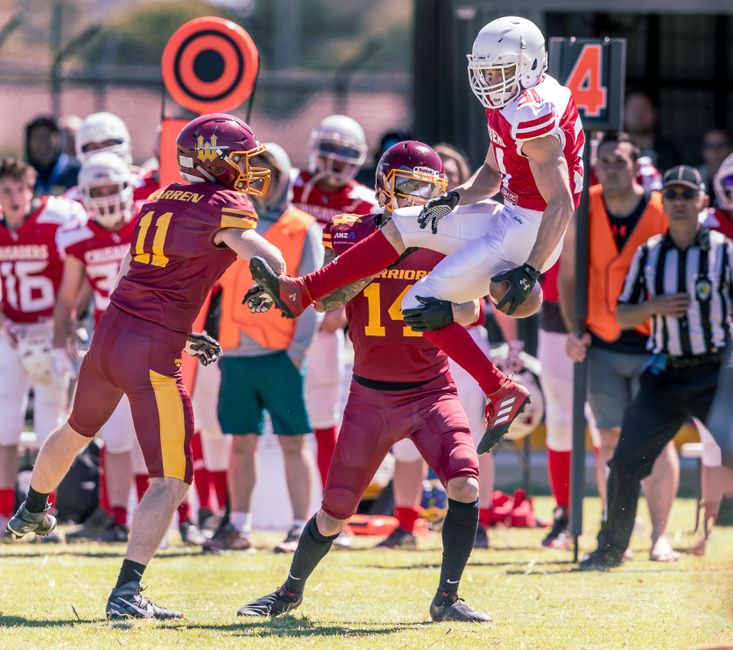
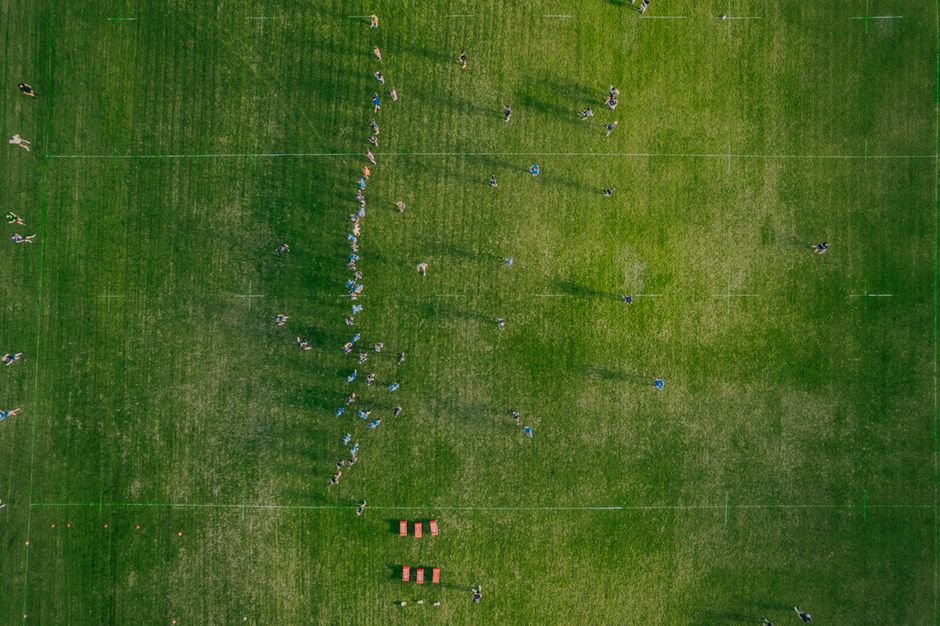
While the world's eyes turn to grand World Cup stadiums and international arenas, Canberra's real sporting magic is happening in the modest grounds dotting suburbs from Belconnen to Tuggeranong. Local clubs are experiencing unprecedented growth, transforming neighbourhood venues into genuine community hubs that rival the draw of televised blockbuster events.
The numbers tell a compelling story. Canberra's grassroots participation has surged 23 per cent over the past three years, with district football clubs reporting waitlists and rugby union sides expanding squads to accommodate demand. At Viking Park in O'Connor, the local AFL club has doubled junior memberships since 2024, while Hackett Reserve's soccer associations now field teams across seven age groups where five existed just eighteen months ago.
What's driving this renaissance? Community infrastructure investment combined with a deliberate focus on belonging. Clubs aren't simply offering sport—they're creating gathering spaces. The Canberra District Rugby Union's commitment to inclusive programming has attracted families who might never have considered the sport. Similarly, netball associations throughout Gungahlin have leveraged weekend fixtures at Amaroo Park to build social calendars that extend beyond the court.
Local administrators credit accessibility as crucial. Many clubs have capped annual membership fees at under $200, significantly below national benchmarks. Training sessions deliberately accommodate shift workers and families managing multiple commitments. Tuggeranong Hawks Football Club's decision to offer evening practice slots increased participation among working parents by 34 per cent.
The infrastructure supporting these clubs has evolved markedly. Ground renovations at Phillip Oval and Wanniassa Reserve—funded through a combination of ACT Government grants and club fundraising—have transformed once-tired facilities into welcoming environments. Improved lighting, better amenities, and accessible parking signal to families that investment in local sport matters.
Perhaps most significantly, clubs are functioning as genuine community anchors. Volunteering opportunities have created networks extending well beyond players. Parents staffing canteens, coaches mentoring youth, and administrators managing complex fixture schedules have woven social fabric that's increasingly rare in modern urban life.
As Canberra continues positioning itself as a major sporting destination—with occasional visits from touring teams and marquee events—the quieter work of local clubs deserves recognition. These grounds, with their worn equipment and familiar faces, are where sporting culture actually takes root. They're where kids discover their first passion, where adults find friendship, and where community isn't a marketing concept—it's lived daily.
The next time a global sporting spectacle dominates headlines, remember: Canberra's true sporting strength lies in the clubs quietly thriving in every neighbourhood.
This article was compiled by AI and screened before publishing. See our editorial standards.