Sport
Canberra's Climbing Boom Reveals Shift in Fitness Culture
Participation in outdoor adventure climbing has surged across the capital, signalling a fundamental shift in how locals approach health and community.
3 min read
Sport
Participation in outdoor adventure climbing has surged across the capital, signalling a fundamental shift in how locals approach health and community.
3 min read
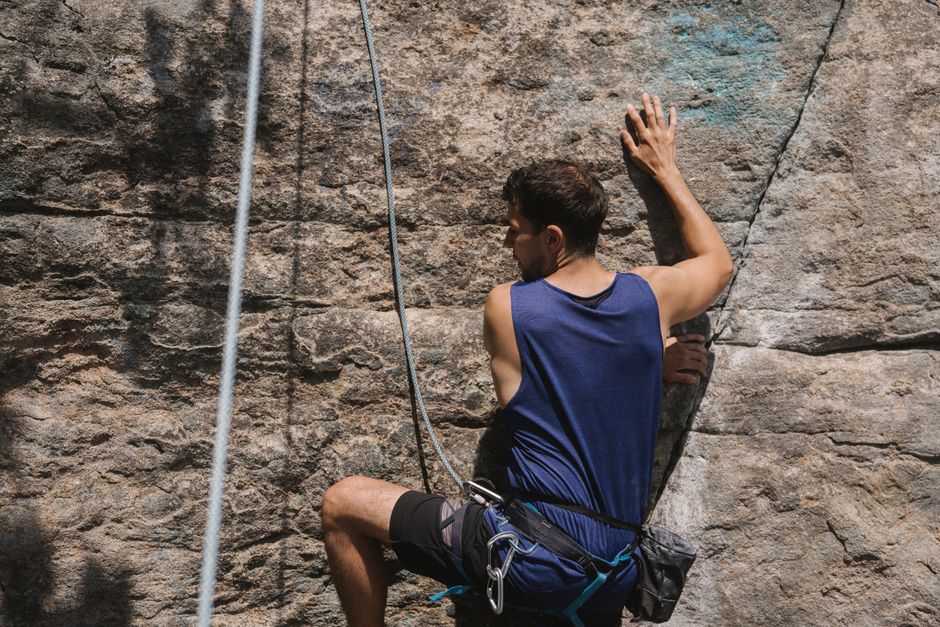
On any given weekend, the granite cliffs around Burrinja in the Brindabella Ranges are dotted with climbers testing their limits against rock and rope. It's a scene that would have been unthinkable a decade ago in Canberra's fitness landscape, but today it represents something far larger than casual hobby adoption—it's a window into how the capital's approach to wellbeing is fundamentally changing.
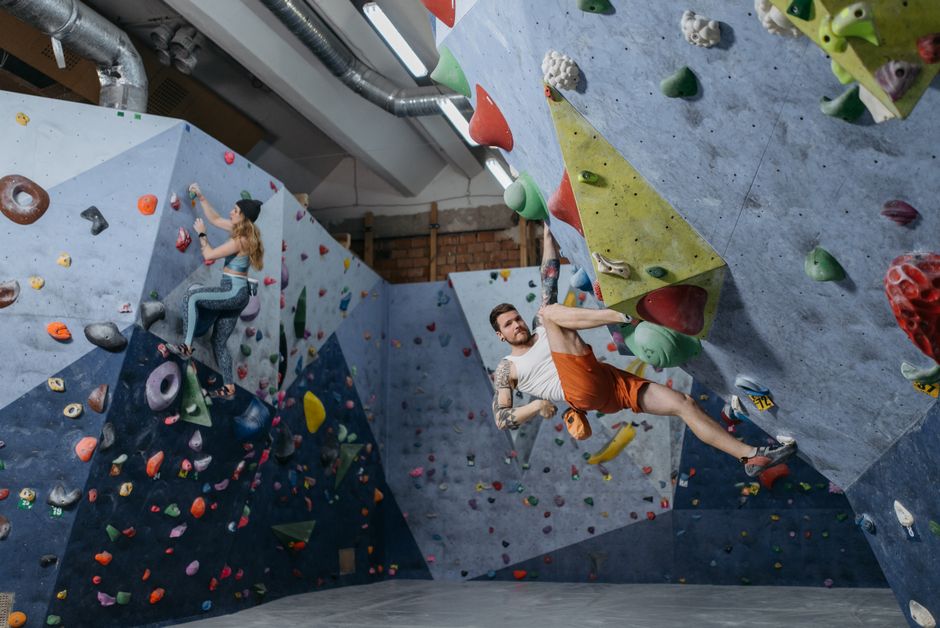
Recent participation data paints a striking picture. Membership at Canberra's dedicated climbing gyms—including facilities on Northbourne Avenue and in the Civic precinct—has grown by nearly 45 per cent over the past three years, according to local facility operators. More tellingly, outdoor climbing permits issued by the ACT Parks and Conservation Service have jumped from approximately 120 annually in 2020 to over 280 in 2025. For a city of Canberra's size, that trajectory is remarkable.
What these numbers reveal is not simply that more people are climbing. They expose a broader cultural pivot toward experiential fitness—activities that demand full-body engagement, mental resilience, and genuine community connection. Unlike traditional gym memberships, which in Canberra cluster around conventional weight training and cardio, climbing attracts participants who are actively seeking challenge, progression, and outdoor immersion.
The demographic spread is equally instructive. While climbing maintains a younger skew—roughly 60 per cent of participants are under 35—uptake among the 40-plus cohort has doubled since 2022, suggesting the activity is breaking free from niche positioning. Women now comprise 38 per cent of active climbers in the region, up from 22 per cent five years ago, reflecting both accessibility improvements and cultural shifts around risk-taking and physical autonomy.
Local climbing schools and guide services operating out of popular crags near Tidbinbilla and throughout the Cotter River corridor report that beginner courses now routinely fill weeks in advance. Day passes to outdoor sites typically cost $15-25, while indoor gym memberships range from $120-180 monthly—price points that remain accessible but signal genuine commitment.
Perhaps most significantly, climbing communities in Canberra have become vectors for broader lifestyle change. Participants report increased engagement with bushwalking, nutrition planning, and recovery protocols. Equipment suppliers on Woden Plaza and around the city centre note climbing-adjacent purchases—hydration systems, nutrition supplements, mobility tools—indicating that the sport functions as an entry point to holistic fitness thinking.
As Canberra continues its evolution as a major global city, participation data suggests residents are rejecting passive fitness models in favour of active, experiential pursuits. The rocks around us aren't just geological features anymore—they're catalysts for cultural transformation.
This article was compiled by AI and screened before publishing. See our editorial standards.
Sport
Sport
Sport
Sport
About this article
Published by The Daily Canberra
Spread the word
Daily brief
Free, in your inbox before 7am. Weekdays.
The Daily Network — local news across Australia