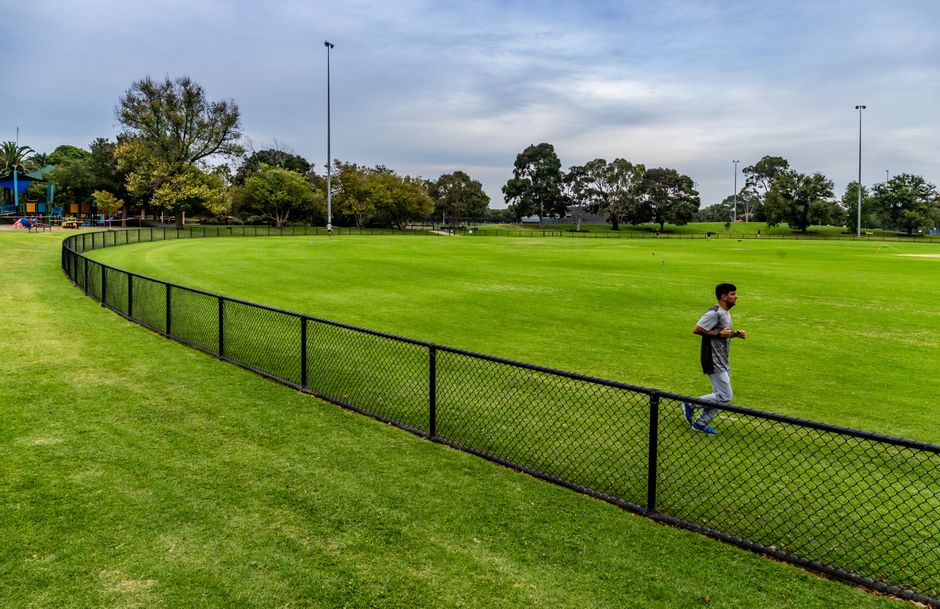
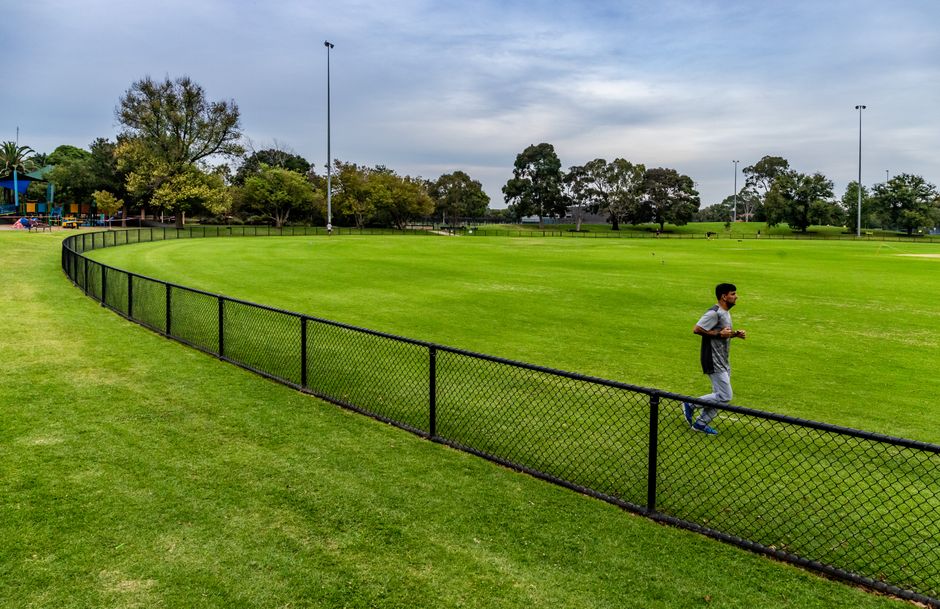
While the 2026 World Cup dominates headlines, a quieter revolution is unfolding across Canberra's suburban ovals. At Tuggeranong Oval on Saturday mornings, amid the eucalypt-dotted landscape, dozens of grassroots clubs are laying the foundation for the next generation of Australian footballers—and the community glue that binds neighbourhoods together.
Canberra's football ecosystem has swelled dramatically. The ACT Football Association now oversees more than 180 affiliated clubs across the region, with participation figures climbing 23 percent since 2021. From Belconnen to Woden Valley, from Gungahlin to south side suburbs like Calwell, soccer has become the fastest-growing sport for both children and adults seeking affordable, accessible competition.
The numbers tell a story of deliberate, unglamorous work. Clubs like Canberra United Development operate on shoestring budgets—annual registration fees hovering around $85-$120 per player for juniors—yet field competitive teams across multiple age groups. Volunteer coordinators manage fixture scheduling, parent rostering, and pitch maintenance with military precision. At venues like Garran Oval and Wanniassa Hill Reserve, the infrastructure is basic: concrete changerooms, worn goalposts, patchy grass.
Yet this is precisely where elite athletes emerge. The pathway from under-6 futsal to state representation has never been more visible. Former Canberra youth players now feature regularly in A-League academies and Socceroos squads, providing tangible proof that local investment yields national results.
What makes Canberra's grassroots movement distinctive is its democratic structure. Unlike traditional club hierarchies, many community associations operate consensus-based decision-making, with parents and players directly shaping competition formats and facility priorities. The ACT Football Association's commitment to gender parity—now achieving near-equal participation rates between boys and girls—reflects this philosophy.
Community leaders acknowledge challenges. Pitch allocation remains contested, particularly around premium slots during winter. Coaching accreditation requires time and money many volunteers can't spare. Yet the sector adapts: more clubs now partner with local schools to access facilities during off-peak hours, reducing scheduling conflicts.
As international tournaments showcase technical brilliance and tactical sophistication, Canberra's grassroots volunteers understand something equally vital: sustainable sport emerges from committed communities, not talent alone. Every Saturday morning across suburban ovals, that commitment unfolds in small acts—parents refereeing, coaches volunteering unpaid hours, club secretaries managing spreadsheets late into evenings.
The Socceroos' World Cup journey matters. But Canberra's true victory plays out incrementally, in parks across the capital, where soccer serves not just as sport but as community infrastructure.
This article was compiled by AI and screened before publishing. See our editorial standards.